

Best Farm Solar Mounting System Supplier: Top Solutions for Agricultural Solar Projects
2026-01-16
As the agricultural sector increasingly embraces sustainable energy solutions, finding the right solar mounting system supplier becomes crucial for farm owners and project developers. These systems not only support solar panels but also maximize energy production while adapting to the unique demands of agricultural land. At Energet Solar, we pride ourselves on delivering top-tier, reliable solutions tailored for agricultural solar projects. In this blog, we'll explore why choosing a trusted supplier matters, highlight key features of effective mounting systems, and share insights on optimizing your farm's solar setup. Dive in to discover how the right partnership can transform your agricultural energy goals into reality!
Key Advantages of Farm Solar Mounting Systems for Sustainable Agriculture
Farm solar mounting systems offer a game-changing approach for agricultural operations by transforming idle land or underutilized spaces into energy-producing assets. These systems allow farmers to generate clean electricity directly on-site, reducing dependence on the grid and stabilizing energy costs over time. Beyond powering farm equipment and facilities, excess energy can be fed back into the local grid, creating an additional revenue stream. This dual-use capability means that while crops thrive below, sunlight is harvested above, maximizing the productivity of every acre without competing for valuable farming space.
Another significant benefit lies in the enhanced resilience these systems provide against climate uncertainties. By generating renewable energy on-farm, operations become less vulnerable to power outages or fluctuating energy prices, which are especially critical during sensitive periods like planting or harvest. Moreover, the shade from elevated solar panels can help mitigate soil moisture evaporation and reduce heat stress on certain crops, creating a more controlled microclimate. This synergy between energy production and agricultural productivity fosters a holistic approach to sustainability, where environmental stewardship goes hand-in-hand with economic viability.
From a long-term perspective, integrating solar mounting systems supports broader sustainability goals by lowering carbon footprints and promoting local energy independence. Farmers can use the generated electricity to power irrigation systems, greenhouses, or storage facilities, all while reducing greenhouse gas emissions associated with traditional energy sources. This not only aligns with global efforts to combat climate change but also positions farms as leaders in eco-friendly practices, potentially opening doors to grants, certifications, or market advantages. Ultimately, adopting such systems represents a forward-thinking investment that balances immediate operational needs with future environmental and financial security.
Selecting Durable Materials for Long-Term Agricultural Solar Installations
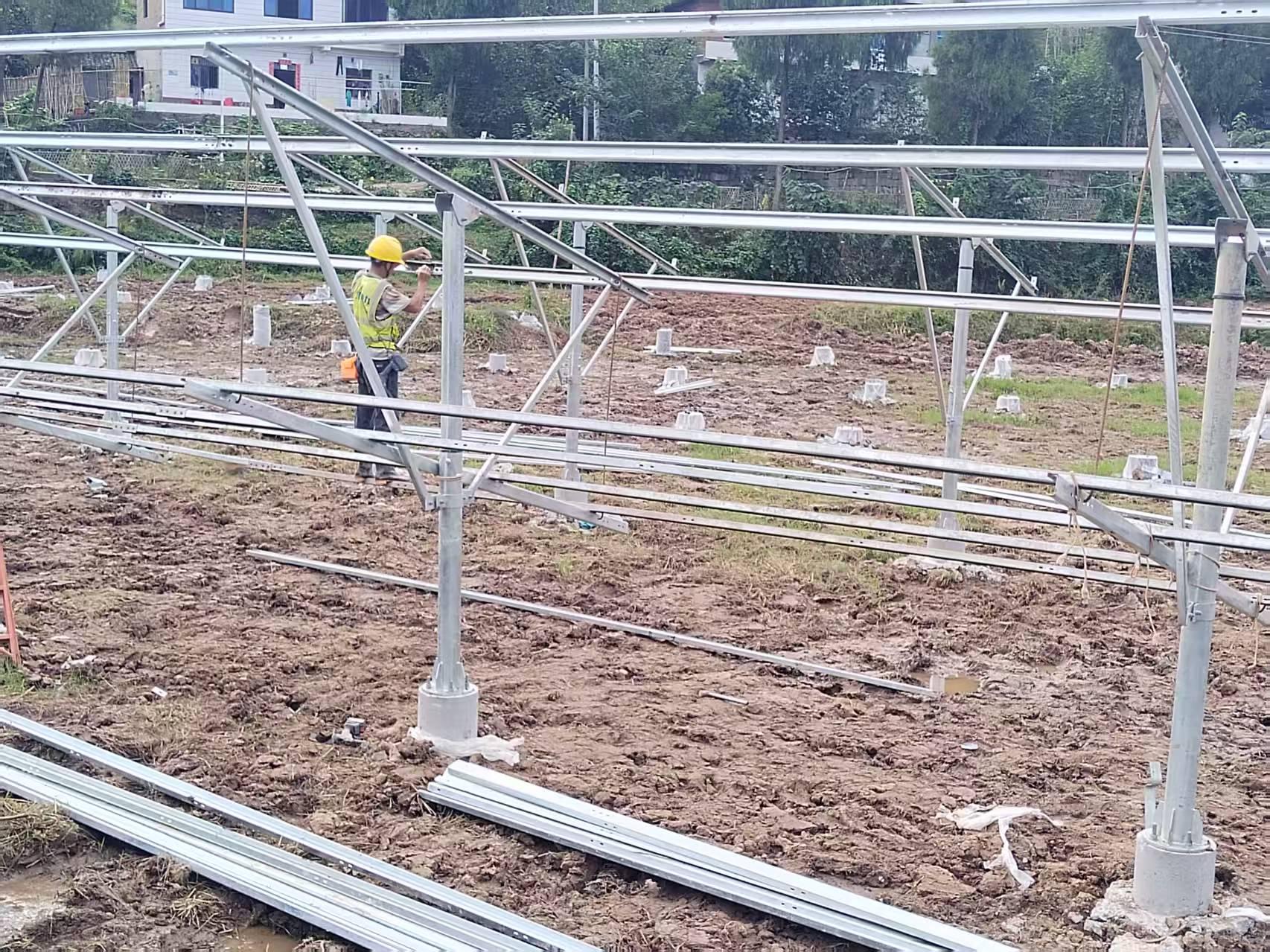
When it comes to solar setups on farms, picking materials that can hold up over the years is key, given the tough conditions they face outdoors. Unlike typical roof installations, agricultural solar systems often deal with weather extremes, soil contaminants, and occasional physical impacts from equipment or livestock. For instance, using corrosion-resistant metals like aluminum or specially coated steel for mounting structures can help prevent rust and degradation from moisture and fertilizers. This choice ensures that the solar panels stay securely in place, maximizing energy production without constant repairs or replacements.
Beyond the hardware, it's worth considering advanced materials that blend durability with efficiency. For example, some newer solar panels combine tempered glass with robust polymer backsheets to withstand hail or debris, while still maintaining high light absorption. On farms where space is precious, integrating materials like bifacial solar cells that capture light from both sides can boost output without adding bulk. By focusing on these resilient options, farmers can set up systems that not only survive but thrive through seasons of use, cutting down on maintenance headaches and boosting long-term savings.
Practical tips for farmers include checking material warranties and testing them in real farm environments before full-scale adoption. For instance, consulting with suppliers who specialize in agricultural applications or attending field demonstrations can provide insights into how materials perform under specific conditions, like high humidity or dust. This hands-on approach helps tailor choices to individual farm needs, ensuring that investments in solar technology pay off with reliable, long-lasting performance that supports both energy independence and farm operations.
Customizable Designs to Fit Diverse Farm Layouts and Crop Needs
In today's rapidly evolving agricultural landscape, one-size-fits-all equipment simply doesn't cut it. That's why our approach centers on creating flexible and adaptable solutions that seamlessly integrate with your unique farm layout—whether you're managing sprawling acres of row crops, intricate greenhouses, or urban vertical farms. By offering a modular design framework, you can mix and match components to optimize space, enhance workflow efficiency, and reduce waste. It's all about ensuring your setup works for you, not the other way around, empowering farmers to innovate without constraints.
We go beyond basic customization by tailoring our designs to the specific needs of diverse crops, from delicate berries to robust grains. Through advanced engineering and user feedback, we've developed systems that adjust for varying soil types, irrigation demands, and climate conditions. This precision allows for healthier plants, higher yields, and more sustainable practices, making it a game-changer for anyone looking to boost productivity while minimizing environmental impact. It's not just equipment; it's a partner in growing smarter and more resiliently.
What truly sets our offerings apart is the emphasis on long-term adaptability. As farming technologies advance and market demands shift, our designs are built to evolve with you. With easy-to-upgrade features and scalable options, you can future-proof your operations without constant reinvestment. This forward-thinking approach ensures that your farm remains competitive and responsive to change, providing peace of mind in an industry where adaptability is key to success.
Innovative Installation Techniques That Minimize Disruption to Farming Operations
Farmers often face a tricky balance between upgrading their infrastructure and keeping daily operations running smoothly. By employing modular installation methods, we can set up essential equipment like irrigation systems or solar panels during off-peak seasons, such as after harvest or in winter months. This approach reduces downtime significantly, allowing tractors and workers to continue their usual tasks without interruption. For instance, pre-assembled components can be quickly installed overnight, minimizing the impact on planting or harvesting schedules.
Another effective technique involves using lightweight, portable tools and drones for precision installations. Instead of heavy machinery that might churn up fields, drones can map out optimal placement for items like fencing or sensors, while handheld devices enable rapid on-the-ground adjustments. This not only speeds up the process but also conserves soil health by reducing compaction and disturbance. Farmers have reported saving hours of labor and preserving crop yields by integrating these smart, nimble solutions into their routines.
Collaborative planning with installation teams plays a key role in minimizing disruptions. By scheduling work in phases and aligning it with farm cycles, we ensure that critical activities like fertilizing or irrigation aren't halted. Real-time communication tools help coordinate teams to work around peak farming hours, making the whole process seamless and efficient. This tailored strategy has proven to boost farm productivity while keeping the land and operations intact.
Cost-Effective Solutions for Boosting Energy Independence on Farms
Farmers looking to cut energy costs and reduce reliance on external power sources can explore several wallet-friendly options that deliver long-term savings. Installing solar panels on barn roofs or unused land, for instance, harnesses abundant sunlight to generate electricity for lighting, water pumps, and equipment, with many regions offering grants or tax incentives to ease initial expenses. Pairing this with energy-efficient LED lighting and variable speed drives for motors can further slash electricity bills, creating a practical setup that pays for itself over time through reduced utility expenses.
Another approach involves tapping into on-site biomass resources, such as crop residues or animal manure, to produce biogas through anaerobic digesters. This not only provides a renewable fuel for heating or power generation but also helps manage waste effectively, turning a disposal challenge into an energy asset. Simple upgrades like adding insulation to buildings or switching to drip irrigation systems also conserve energy with minimal upfront investment, ensuring farms operate more self-sufficiently without breaking the bank.
By integrating low-cost technologies like small wind turbines or solar water heaters, farms can diversify their energy mix and build resilience against price fluctuations in traditional fuels. These solutions, tailored to local conditions, empower farmers to control their energy destiny sustainably, blending innovation with practicality for a greener, more independent future.
Success Stories: Real-World Impact of Solar Mounting Systems in Agriculture
Farmers across diverse landscapes have witnessed remarkable transformations by integrating solar mounting systems, moving beyond theoretical benefits to tangible, on-the-ground results. One striking example comes from a family-run vineyard in California, where a ground-mounted solar array, tailored for the uneven terrain, now powers irrigation pumps year-round. This shift not only reduced their energy bills by 70% but also ensured water availability during droughts, leading to a 15% increase in grape yield. Meanwhile, in India, rooftop solar installations on dairy farms have provided consistent electricity for milking machines, refrigerating milk, and lighting barns, boosting milk production by 20% and creating safer working conditions. These success stories highlight how solar mounting solutions, whether ground-based or roof-mounted, directly enhance agricultural productivity and resilience, proving that clean energy investments pay off in both economic and environmental terms.
In the Midwest, a soybean producer adopted a custom tracking solar mounting system that adjusts panels to follow the sun, optimizing energy capture. This innovation powers automated grain dryers, slashing drying costs by 50% and allowing for faster harvests, which reduced spoilage losses. Similarly, in arid regions of Australia, solar-powered water pumps installed using robust mounting structures have revitalized pastures, enabling year-round grazing and supporting livestock health. These real-world impacts go beyond energy savings, fostering sustainable land management and improving crop quality, as shown in a case where solar energy fueled precision irrigation, enhancing soil moisture control and leading to higher-quality produce. By sharing such narratives, we see solar mounting systems not as isolated tech but as integral tools that reshape farming practices for the better.
Moreover, the ripple effects of these success stories extend to rural communities. In Kenya, a cooperative of small-scale farmers implemented a shared solar mounting system to power a community cold storage unit, reducing post-harvest losses by 30% and increasing market access for perishable goods. This collective approach has spurred local economic growth, with farmers reporting a 25% rise in income. Across these examples, the adaptability of solar mounting designs—from pole mounts in orchards to floating systems on aquaculture ponds—demonstrates their versatility in addressing unique agricultural challenges. By learning from these real-life impacts, others in the sector can embrace solar solutions not just for cost-efficiency but as a pathway to innovation and long-term sustainability, ensuring that stories of success continue to multiply worldwide.
FAQ
Look for durability, ease of installation, and compatibility with farm equipment. Suppliers often prioritize corrosion-resistant materials and adjustable designs to handle diverse terrain.
It provides clean energy to power irrigation, lighting, and machinery, reducing electricity costs and enhancing sustainability without disrupting farm activities.
Ground-mounted systems with sturdy frames and tracking options are ideal for expansive fields, offering high efficiency and minimal land-use conflicts.
Yes, top suppliers design systems with robust materials like galvanized steel and wind-resistant features to endure storms, snow, and extreme temperatures.
Seek suppliers offering on-site assessments, custom engineering, and training for farm staff to ensure smooth setup and long-term maintenance.
They can be tailored to fit around crops, livestock areas, or buildings, with options for rooftop or perimeter installations to maximize space usage.
Yes, many suppliers provide modular kits or scalable designs that allow farms to start small and expand as budgets and energy needs grow.
Advances include lightweight designs for easy relocation, smart tracking for optimal sun exposure, and integration with IoT sensors for real-time energy management.
Conclusion
As the premier supplier for agricultural solar projects, we specialize in farm solar mounting systems that drive sustainable agriculture through key advantages like enhanced energy efficiency and environmental stewardship. Our solutions focus on selecting durable materials designed for long-term installations, ensuring resilience against harsh farming conditions while maintaining structural integrity. We offer customizable designs tailored to diverse farm layouts and specific crop needs, enabling seamless integration without compromising agricultural productivity. By employing innovative installation techniques, we minimize disruption to daily farming operations, allowing farmers to continue their work uninterrupted during setup. Our cost-effective approaches not only reduce upfront investments but also boost energy independence, leading to significant long-term savings and operational autonomy for farms of all sizes.
In practice, our mounting systems have demonstrated real-world impact through numerous success stories, showcasing how they transform agricultural energy use. From large-scale commercial farms to small family-owned plots, these systems provide reliable, clean power that supports crop growth and farm management. By combining cutting-edge technology with practical adaptability, we deliver top solutions that emphasize durability, customization, and minimal interference. This holistic approach ensures that farms can harness solar energy effectively, contributing to a greener future while optimizing their economic and ecological outcomes. With a focus on innovation and proven results, our systems stand out as the ideal choice for advancing agricultural solar projects worldwide.
Contact Us
Contact Person: Simon
Email: [email protected]
Tel/WhatsApp: 8613672181100
Website: https://energetsolar.com/