

Best Sprockets for Optimal Performance and Durability
2026-07-26
When it comes to maximizing your machinery's efficiency and lifespan, choosing the right sprockets is non-negotiable. Poorly made components lead to premature wear, costly downtime, and frustrating maintenance cycles. That's why selecting high-quality sprockets from a trusted source is critical. At Raydafon, we've seen firsthand how the right sprocket design and materials can transform performance. In this post, we'll explore what makes a sprocket truly durable and efficient, and how to pick the best option for your specific needs. Let's dive in.
Hidden Factors That Dictate Sprocket Longevity
Most riders focus on chain tension and lubrication, yet sprocket wear often starts with something far less obvious: the subtle misalignment of the rear axle. Even a millimeter off can force teeth to engage unevenly, concentrating stress on one side until the metal fatigues long before its time. It's not about how tight the chain is, but how straight it runs that quietly determines whether your sprockets see a decade or a season.
Another overlooked culprit is riding style embedded in the subconscious. Aggressive downshifting without a moment of clutch feathering sends shockwaves through the drivetrain, hammering tooth profiles into hooks you can feel but not always see. The hidden factor here isn't the action itself, but the rhythm of the ride—constant abrupt changes in torque create micro-cracks that spread in silence, especially in cheaper sintered metals that lack the grain structure to absorb the abuse.
Lastly, environmental neglect plays a quiet role. It's not just rain or mud, but the slow, chemical breath of a garage where humidity settles nightly on bare steel. Combined with the residue of acidic chain cleaners not thoroughly rinsed away, that invisible film etches the surface, weakening structural integrity from the outside in. A sprocket that looks intact may already be brittle beneath the shine, waiting for a hard pull to shed a tooth without warning.
Why Material Composition Matters More Than Cost
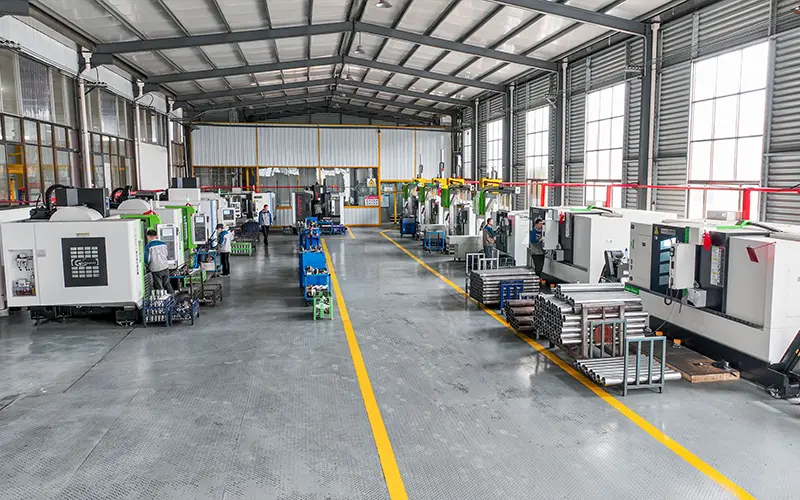
It's natural to glance at the price first, but what truly shapes a product's value is the stuff it's made of. The material composition directly dictates how well something holds up under daily wear, extreme conditions, or just the passage of time. A cheap upfront cost often hides the reality of flimsy alloys, brittle plastics, or coatings that peel within months. Focusing only on cost means you might end up replacing that item far sooner than you'd expect, and all those replacements add up. Over the years, the initial savings evaporate, and you're often left wishing you had paid attention to the raw ingredients of the product rather than the number on the sticker.
Beyond durability, materials are tightly linked to safety and user experience. Think of items that come into contact with your skin or food—low-grade components can leach harmful substances or cause irritations that higher-quality alternatives simply don't. The way a tool feels in your hand, the heat resistance of a kitchen utensil, or the structural integrity of a child's toy all stem from composition, not price. A bargain product might check a box on a checklist, but if the materials can't withstand real-world use without degrading or posing a risk, you've got a problem that no discount can fix.
There's also the bigger picture of where these materials end up after you're done with them. Items made from carefully chosen, recyclable, or biodegradable materials cause less long-term damage than cheap, mixed-material alternatives that are destined for a landfill after one use. As manufacturing shifts toward circular economy models, the composition of a product becomes a marker of its true cost to the planet. Even if you don't prioritize sustainability personally, the robust nature of well-selected materials often means you'll buy less, toss less, and actually save money in the long run because you're investing in something built to endure.
The Role of Tooth Profile in Reducing Friction
Tooth profile geometry directly dictates how gear teeth slide and roll against each other. A carefully designed involute profile, for instance, shifts the contact point gradually, distributing load and minimizing abrupt sliding that generates heat and wear. By refining the curvature at the flanks, engineers can create a smoother transition of forces, reducing micro-slip and the energy lost to friction.
Modifications like tip relief and crowning address the inevitable deflections and misalignments in real-world operation. These subtle alterations prevent edge contact and high-pressure spikes that would otherwise break the lubricant film, leading to metal-to-metal contact. The result is a more consistent film thickness across the mesh, which slashes friction and extends the gearset's life.
Advanced profiles, such as those with a circular arc or optimized micro-geometry, go a step further by tailoring the contact path to the specific load and speed conditions. This targeted design reduces the sliding-to-rolling ratio, keeping the friction losses remarkably low even under heavy torque. It's a quiet revolution in efficiency, all stemming from the precise shaping of those critical flanks.
Sprocket Treatments That Defy Wear and Tear
For applications where sprocket failure isn't an option, advanced heat treatments like carbonitriding create a hard, wear-resistant case while preserving a ductile core. The process diffuses carbon and nitrogen into the surface, forming a compound layer that shrugs off abrasive particles and reduces friction under heavy loads, making it a quiet yet formidable defense against premature tooth wear.
Laser cladding takes surface engineering further by fusing engineered alloys directly onto sprocket teeth in a precise, controlled manner. Unlike conventional hardfacing, the minimal heat-affected zone leaves base metal properties intact, while the overlay delivers exceptional resistance to sliding wear and impact, buying valuable runtime in gritty mining or forestry equipment.
Physical vapor deposition (PVD) thin-film coatings like chromium nitride add another dimension of protection, offering life extension without altering component geometry. These ultra-thin yet incredibly hard layers reduce friction coefficients, repel contaminants, and maintain sharp edge profiles, ensuring consistent power transmission in high-speed industrial setups where even micron-level wear translates to efficiency losses.
Matching Sprockets to Your Riding Conditions
Your sprocket setup can make or break a ride, so think about where you spend most of your time. If you stick to paved roads or gentle gravel, taller gearing with smaller rear sprockets will help you sustain speed without spinning out. The tighter the cassette, the easier it is to find that perfect cadence on long, steady stretches.
When the terrain gets rowdy—think rocky climbs, muddy singletrack, or loaded bikepacking—you'll want more range. A wide-ratio cassette and a smaller front chainring let you grind up steep pitches and still have some control on the way down. Pay attention to the jumps between gears, though; big gaps can feel clunky when you're trying to modulate power on techy sections.
Don't overlook how conditions affect wear and feel. Fine dust and sand chew through aluminum sprockets fast, so steel might be worth the weight penalty for durability. Wet, gritty rides demand a chain and sprocket combo that can shrug off corrosion. A little experimentation with tooth counts will teach you more than any generic recommendation, because the right match always has your local ride written all over it.
Unexpected Ways Sprockets Influence Bike Performance
Most riders fixate on frame weight or wheel aerodynamics, yet sprockets silently shape every pedal stroke. The tooth profile, often overlooked, dictates how smoothly power transfers from your legs to the rear wheel. A subtly reshaped tooth can reduce the micro-slippage that robs you of efficiency on steep climbs, making a familiar route feel oddly fresh.
Chain engagement isn't just about grip—it influences suspension behavior on full-suspension bikes. The angle at which the chain wraps around the sprocket can pull the swingarm slightly, altering the bike's anti-squat characteristics. A worn or oddly profiled sprocket might introduce pedal kickback or mute the suspension's response mid-corner, turning a plush ride into a jarring puzzle.
Even the material choice creates ripples. A steel sprocket's slight flex can dampen drivetrain vibrations, reducing fatigue on long gravel days, while an ultra-stiff aluminum ring transmits every nuance of the terrain directly to your feet, demanding a tighter line choice. These hidden traits don't show up on spec sheets, but they reshape how a bike communicates with its rider.
FAQ
Durability comes down to the quality of the steel and the heat treatment process. High-carbon steel with a case-hardened surface can resist wear and deformation over thousands of miles. Look for sprockets that mention through-hardening or induction-hardened teeth, as these methods create a tough exterior without making the whole part brittle.
First, check your bike's chain pitch—520, 525, or 530 are common for motorcycles. Then consider the type of riding you do. For street use, a steel sprocket with a standard tooth pattern works well. Off-road riders might prefer a lightweight aluminum sprocket with a durable coating. Always match the sprocket's mounting pattern to your hub and ensure the ratio pairs well with your engine's powerband.
Absolutely. Steel sprockets are the workhorses—they're heavier but last a long time. Aluminum sprockets shave off unsprung weight, which can improve suspension response and acceleration, but they wear faster. Some aftermarket options use titanium or hybrid designs to balance weight and longevity, though they come at a premium.
Going down one or two teeth on the front sprocket or adding a few on the rear will give you snappier acceleration at the expense of top speed. For daily street riding, a -1 front sprocket is a common swap that livens things up without making highway cruising unbearable. Just be mindful that drastic changes might require a chain length adjustment and can throw off your speedometer.
There's no set mileage because it depends on riding style, chain maintenance, and environment. A good rule of thumb is to inspect the teeth every time you clean the chain. If they look hooked, shark-finned, or the chain seems to ride up on the tips, it's time for a new set. Usually, you'll replace sprockets along with the chain so everything wears evenly.
If you're chasing lap times or simply love a more responsive feel, then yes, the weight reduction can be noticeable. For a commuter bike, the cost-benefit might not add up since you'll be replacing an aluminum sprocket twice as often. Some riders run aluminum rears with a steel front to get a blend of performance and durability.
You can, as long as the specs match—pitch, width, and tooth profile. Stick with well-known brands that adhere to industry standards. Mixing a premium chain with a budget sprocket is generally okay, but don't pair a worn chain with a new sprocket, as the mismatch will accelerate wear on both.
Conclusion
The quest for sprockets that deliver both peak performance and lasting resilience often leads riders past glossy marketing and into a realm of subtle, decisive details. Longevity begins beneath the surface, where factors like heat treatment depth, raw material purity, and minute dimensional consistency dictate how a sprocket will age under stress. A focus on material composition reveals that premium steel alloys or advanced composites can outperform budget alternatives not because of a higher price tag, but due to their inherent grain structure and resistance to fatigue. Even the tooth profile plays a quiet yet critical role: precision-engineered flank shapes and carefully calculated pressure angles reduce friction at the chain interface, cutting energy loss and slowing the gradual erosion that wears down lesser designs. These elements work together seamlessly, turning a simple rotating part into a powerhouse of drivetrain efficiency.
Equally important are the surface treatments and coatings that defy wear and corrosion, from case hardening to diamond-like carbon finishes, each adding a molecular shield against the elements. But no sprocket exists in a vacuum—matching its tooth count, pitch, and overall design to your specific riding conditions, whether dusty trails or wet urban streets, makes the difference between a component that merely fits and one that excels. This careful pairing prevents premature failure and keeps power delivery smooth. Beyond durability, sprockets influence bike performance in unexpected ways: a smaller front or larger rear can transform acceleration feel, alter suspension behavior, and even change the bike’s ergonomic dynamic. The smartest choice isn’t just about buying the toughest part—it’s about understanding how these interrelated factors elevate the ride into something more precise, responsive, and enduring.
Contact Us
Contact Person: Mr. Shen
Email: [email protected]
Tel/WhatsApp: +86-574-87168065
Website: https://www.transmissions-china.com/