

Bulk Soy Wax Manufacturer: Your Guide to Quality and Sustainable Sourcing
2026-05-19
Sourcing bulk soy wax that balances quality and sustainability can be a real challenge for candle makers and manufacturers. With so many options out there, how do you know which supplier truly delivers on purity and eco-friendly practices? At XUSHI, we’ve dedicated years to perfecting the art of natural wax production—and we’re here to share what makes a supplier stand out. In this guide, we’ll walk through the essentials of evaluating soy wax, from raw material sourcing to consistent performance, so you can make informed decisions for your business.
Understanding Soy Wax: A Natural Choice for Candle Crafting
Soy wax comes from hydrogenated soybean oil, a plant-based material that has become a go-to for hobbyists and artisans alike. What makes it stand out is its clean burn—it doesn’t belch black soot or fill the room with questionable fumes. That’s because it’s derived from a crop that’s grown in abundance, making each candle a little nod to renewable resources rather than finite petroleum reserves.
There’s a tactile pleasure in handling soy wax. It melts at a lower temperature, which means fewer worries about burns or tricky pour conditions, and it holds onto fragrances with a tenacity that surprises newcomers. Cleanup is almost laughably simple: warm water and a dab of soap dissolve any stray drips, so your workspace stays as tidy as your finished candles.
Beyond the practical perks, choosing soy wax feels like a small revolt against mass-produced synthetics. Its finish is creamy and matte, lending a handmade charm that glossy paraffin can’t replicate. As it burns, the scent emerges softly rather than shouting, creating a calm, lived-in atmosphere that invites you to slow down and breathe.
Identifying Premium Soy Wax: Key Quality Indicators
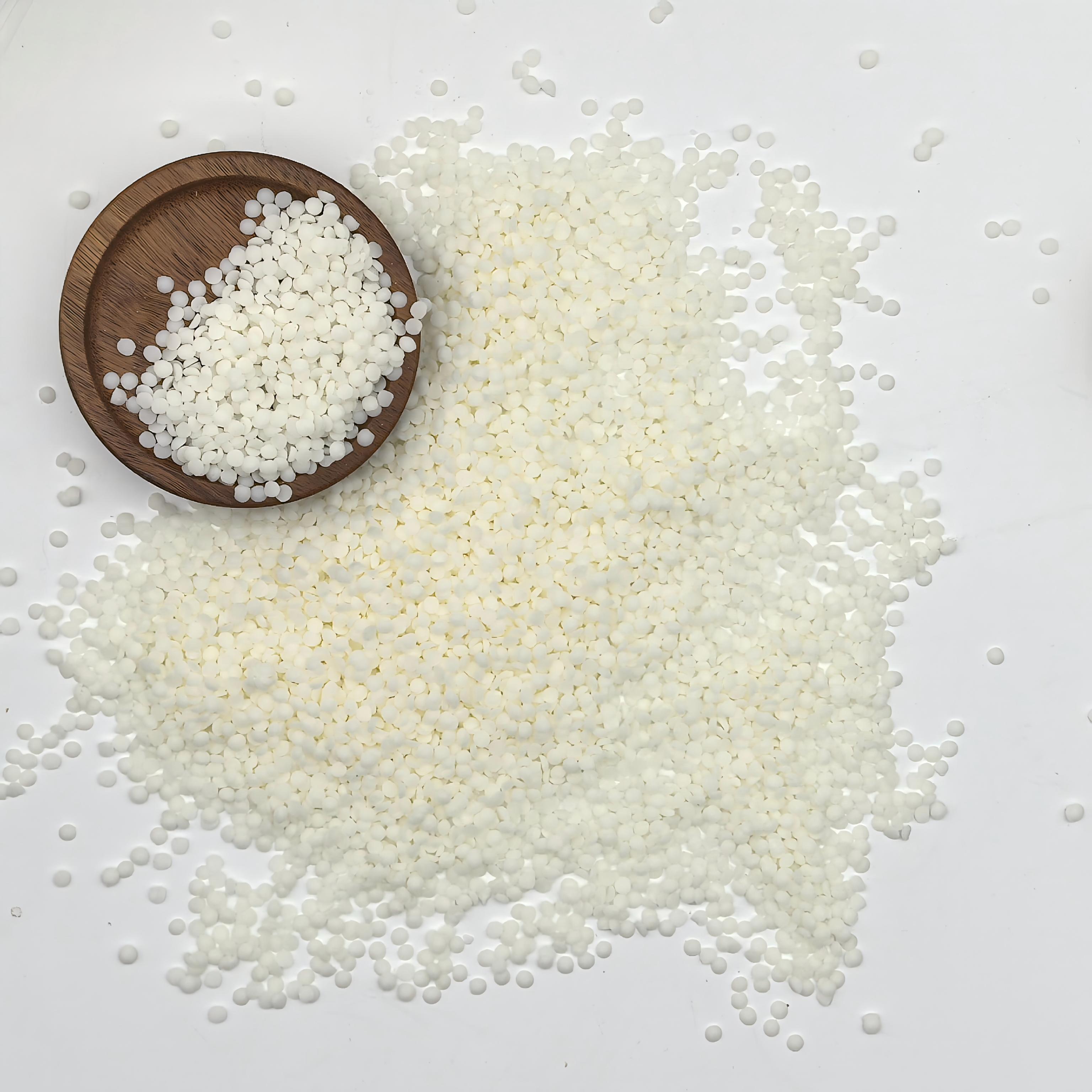
When you're browsing for soy wax, the first thing to do is look past the packaging promises and dig into the physical characteristics. Premium soy wax typically has a smooth, creamy consistency—almost like butter—rather than a grainy or flaky texture. It should be uniform in color, ranging from pale ivory to a clean off-white without any grayish tinge. A subtle, natural scent, reminiscent of fresh soybeans or a faint nuttiness, is a good sign; anything harsh or chemical suggests solvents or poor processing. Run a bit between your fingers: it should melt swiftly into a silky oil, not a greasy or sticky residue. This tactile test speaks volumes about purity and the quality of the hydrogenation process.
Another telling indicator is how the wax performs under heat. Take a small sample and melt it slowly—premium soy wax liquefies evenly, turning into a translucent liquid with no cloudiness or sediment at the bottom. Poorer grades tend to release a stronger, sometimes acrid odor when heated, and you might spot impurities floating around. The pour temperature behavior also matters: top-tier soy wax stays workable for longer, giving you a window to achieve smooth tops and strong fragrance incorporation without excessive frosting. After cooling, check the surface; a mottled or extensively cracked finish often points to inconsistent fatty acid profiles, whereas a fine, even grain with minimal wet spots reflects careful formulation. It's these subtleties in thermal response that separate a truly high-grade wax from a generic blend.
Beyond appearance and melt behavior, don't overlook the documentation and source details. Reputable suppliers readily provide batch-specific specifications, including the soy content percentage, any additives (like botanical oils for improved adhesion), and the traceability from bean to wax. A high soy content—ideally 100% with no paraffin mixes—is a baseline, but the finer distinction lies in how the raw oil is refined. Wax produced from non-GMO, domestically grown soy using expeller-pressed oil tends to have a cleaner burn and superior scent throw. Request a sample and run a simple burn test in a candle: premium soy wax creates a steady melt pool, releases fragrance evenly throughout the burn, and leaves minimal residue on the wick. If the wax burns down leaving a lot of un-melted hang-up or if the wick mushrooms heavily, it's a sign of inconsistent viscosity or excessive impurities. Ultimately, the right wax feels like a partner in your creative process, not just a commodity.
The Journey from Seed to Wax: Sustainability in Production
It all begins with a tiny seed, carefully selected for resilience and low environmental impact. Our growers nurture the plants using regenerative farming techniques that enrich the soil, conserve water, and avoid synthetic chemicals. This mindful cultivation not only yields robust crops but also supports biodiversity and local ecosystems, ensuring the land remains fertile for generations to come.
Once harvested, the seeds undergo a gentle extraction process that prioritizes energy efficiency and minimal waste. We've invested in innovative machinery that cold-presses the oil without compromising its natural integrity, then refines it into a pure, clean wax using sustainable heat sources. Every byproduct is repurposed, from seed husks for animal feed to residual plant matter for compost, closing the loop in our production cycle.
The final wax embodies our commitment to slow, thoughtful manufacturing. It burns longer and cleaner than alternatives, releasing no harmful toxins. By choosing materials that are biodegradable and cruelty-free, we ensure that each candle or product tells a story of respect—from the earth that cradles the seed to the light that fills your space.
Building Reliable Partnerships with Soy Wax Manufacturers
Forming a dependable relationship with a soy wax supplier begins with thorough research into their production practices and sourcing ethics. Look beyond glossy brochures and dig into where they obtain their soybeans— are they supporting sustainable farming or just chasing the lowest cost? A manufacturer’s transparency about their supply chain often signals how they’ll treat you as a partner. Don’t hesitate to request samples from multiple batches to test for consistency in melt point, fragrance load, and color stability. These early steps can save you from headaches down the line.
Communication plays a quiet but powerful role in keeping partnerships healthy. The best manufacturers treat your questions not as annoyances but as opportunities to fine-tune their service. Pay attention to how promptly they respond to inquiries and whether they offer proactive updates about material availability or production delays. A supplier who remembers your preferences and adjusts to your seasonal volume changes demonstrates a commitment that goes beyond a simple transaction. Over time, these small gestures build a foundation of trust that’s hard to replicate.
Finally, invest in the relationship by sharing your own feedback and business goals openly. When a manufacturer understands why you need certain wax characteristics—maybe a creamy texture for container candles or a harder finish for tarts—they’re better equipped to tailor their blends or suggest alternatives. Regular check-ins, even when you’re not placing orders, can keep both sides aligned and open doors to collaborative product development. A true partnership isn’t built on price alone; it grows from mutual respect, shared knowledge, and a willingness to adapt together as your candle business evolves.
Navigating Bulk Orders: From Logistics to Long-Term Savings
Handling large-volume purchases throws a whole new set of logistics hurdles your way. Warehousing space suddenly feels cramped, shipping schedules turn unforgiving, and even the smallest delay in the supply chain can ripple into missed deadlines. At first glance, it looks like an expensive headache—extra freight charges, rushed handling fees, and the constant fear of overstocking.
But here’s the shift that experienced buyers lean into: when you smooth out those operational knots, bulk orders flip into a long-term advantage. It starts with nailing down delivery windows and syncing them with your own production or sales cycles. Instead of treating carriers as one-time vendors, you build ongoing relationships that unlock lower per-unit shipping costs and preferential treatment during peak seasons. Over time, that reliability trims warehousing needs because you’re not sitting on safety stock you don’t need.
The real payoff shows up in your bottom line quietly—fewer last-minute express shipments, consolidated customs clearance, and volume discounts that stack up quarter after quarter. One manufacturing client we worked with cut their annual logistics spend by nearly a fifth simply by redesigning their bulk delivery schedule around off-peak carrier rates. Small adjustments like that turn what starts as a logistical puzzle into a steady stream of savings.
Innovations and Trends Shaping the Soy Wax Industry
The soy wax industry is undergoing a quiet revolution driven by a growing demand for clean, sustainable, and high-performance materials. Traditional paraffin alternatives are facing stiff competition as manufacturers experiment with hybrid blends that incorporate coconut, beeswax, and even rice bran waxes to enhance scent throw and burn consistency. These hybrid formulations are not just a nod to eco-conscious branding—they are solving real performance issues that once held soy wax back, such as poor fragrance retention in warmer climates and uneven melting. Artisan candle makers, in particular, are pushing for custom wax bases that cater to intricate vessel designs and complex fragrance profiles, prompting suppliers to offer more specialized product lines than ever before.
Another emerging trend is the integration of bio-based additives that improve the structural integrity and aesthetic finish of soy wax without compromising its natural appeal. From plant-derived hardeners that reduce frosting and bloom to ultraviolet stabilizers extracted from agricultural byproducts, these innovations are quietly reshaping production standards. The push for transparency in ingredient sourcing has also led to the rise of fully traceable, non-GMO soy wax varieties—especially appealing to brands that market directly to environmentally conscious consumers. What’s interesting is how these developments are not being dictated by large corporations alone; small-batch producers and hobbyist communities are actively sharing discoveries and influencing the direction of the industry through online platforms and collaborative testing.
Looking ahead, the industry is poised to embrace smart manufacturing techniques that minimize waste and energy consumption. Cold-press extraction methods and solvent-free refining are gaining traction, offering purer wax while cutting down on the carbon footprint of production. Meanwhile, advances in wick technology—such as wood wicks engineered for optimal pairing with soy blends—are creating new opportunities for multisensory experiences. The line between functionality and sustainability is blurring, and the companies that recognize this shift early are already investing in closed-loop systems where wax scraps are reprocessed into new products. It’s a vibrant moment for the soy wax market, where the convergence of material science and consumer values is sparking a level of creativity not seen in decades.
FAQ
Soy wax is a vegetable wax made from soybean oil, typically hydrogenated to solidify at room temperature. Compared to paraffin, it burns cleaner and slower, and it's biodegradable. Beeswax is natural too but much pricier and has a distinct scent. Palm wax offers unique crystal effects but comes with greater environmental scrutiny. Soy hits a sweet spot: renewable, neutral scent, and easy to work with.
Aside from the obvious eco-appeal, soy wax gives you a longer burn time and holds fragrance well, which means your candles or melts deliver consistent scent throw. It spills clean up with just soap and water, so production is less messy. Customers increasingly look for plant-based options, so using soy can align with market trends without sacrificing performance.
Start with consistency – ask for batch samples to check melt point, color, and scent retention. Reliable manufacturers provide technical data sheets and are transparent about additives. Touring the facility or requesting third-party lab results can reveal a lot. Also, gauge their customer service: do they understand your application, and can they accommodate custom blends if needed?
Dig into their sourcing: are the soybeans non-GMO and grown without deforestation? Certifications like the Roundtable on Sustainable Soy (RTRS) or organic labels carry weight, but also ask about their supply chain practices. A supplier truly committed to sustainability will openly share information about farming partnerships, processing efficiency, and waste reduction initiatives.
Candle-making dominates, from container candles to pillars and melts. Beyond that, it's used in cosmetics like balms and lotions, as a coating for food packaging, and in industrial lubricants. Soy wax's versatility comes from its malleable nature – it can be blended with other waxes or additives to tweak hardness, opacity, and melt profile for specific uses.
Soy wax can be softer than paraffin, so it might not hold intricate mold details without additives. It's also prone to frosting – that whitish bloom – which is purely aesthetic but can worry customers if not explained. Temperature fluctuations during cooling can cause imperfect surfaces, but mastering pour techniques and using proper wicking usually resolves these quirks.
Keep it in a cool, dry place away from direct sunlight and strong odors, as soy wax can absorb surrounding smells. Flakes or pastilles are easier to portion than large blocks, and sealed containers prevent dust and moisture. Ideally, use it within a year for best results, though properly stored wax can last longer without noticeable decline in performance.
Conclusion
Soy wax has emerged as a cornerstone material for candle makers who value both performance and environmental responsibility. Derived from soybean oil, it offers a cleaner, longer-lasting burn compared to petroleum-based alternatives, with minimal soot and excellent fragrance retention. Distinguishing premium soy wax goes beyond basic certifications; it involves assessing melt point consistency, oil content, and the absence of impurities that can affect color or scent throw. The most reliable manufacturers invest in rigorous testing and transparent sourcing, ensuring every batch meets exacting standards. Sustainability begins at the farm level, where responsible growers use practices that protect soil health and reduce carbon footprints. Producers committed to closed-loop processing and biodegradable packaging further reinforce the ecological benefits, making soy wax a genuinely renewable choice from seed to finished product.
Building strong partnerships with a bulk wax supplier requires looking beyond pricing. A dependable manufacturer offers consistent quality, flexible shipping options, and support for scaling production without compromising on lead times. Understanding logistical nuances—such as pallet loads, storage conditions, and seasonal demand—prevents costly disruptions and unlocks long-term savings. As the industry evolves, innovations like wax blends for specific jar types, improved natural additives for stability, and digital tools for inventory forecasting are reshaping how crafters and large-scale producers source materials. Choosing a forward-thinking partner means gaining access to these advancements while maintaining a reliable supply chain. Ultimately, combining quality, sustainability, and strategic collaboration turns a simple raw material into the foundation of a thriving candle business.
Contact Us
Contact Person: Alan Zhu
Email: [email protected]
Tel/WhatsApp: 8613931838766
Website: https://www.cnxushibeeswax.com