
China Corrugated Boxes: Innovative Designs and Trends Shaping Packaging
2026-05-28
In today's fast-paced market, packaging is no longer just a container—it's a statement of brand identity and innovation. China's corrugated box industry is at the forefront of this evolution, blending cutting-edge designs with sustainable trends that redefine product protection and presentation. From smart structural engineering to eco-friendly materials, the latest breakthroughs are reshaping how businesses think about shipping and shelf appeal. As a leader in this transformation, ShiTeng Packaging embraces these shifts, delivering solutions that merge functionality with aesthetic impact. Discover how emerging trends are setting new benchmarks and why the future of packaging starts here.
Eco-Conscious Corrugated: How Sustainability Is Redefining Material Choices
The shift toward eco-conscious corrugated materials is altering the way packaging designers and manufacturers approach raw inputs. Instead of defaulting to virgin fiber, many are turning to high-recycled-content boards that perform just as well while slashing the carbon footprint. This isn't just about ticking a box for marketing claims—it's a genuine recalibration of material science. Engineers are refining recycling streams to preserve fiber length and strength, ensuring that boxes made from old cardboard can withstand the same stacking pressures and humidity challenges as their first-generation counterparts. The result is a quiet but powerful transformation in supply chains, where sustainability and performance now coexist without compromise.
New additives and coatings are also reshaping what it means to be environmentally friendly. Traditional wax or plastic linings, once necessary for moisture resistance, are being replaced by water-based and compostable barriers derived from plant starches or algae. These innovations allow corrugated packaging to protect fresh produce, cold beverages, or electronics without leaving behind a trail of microplastics. Companies are experimenting with lignin-based adhesives and soy inks, further detoxifying the production cycle. It’s a holistic view: sustainability isn’t just about the end of a box’s life, but every chemical and process that goes into its creation.
Beyond materials, the very geometry of corrugated packaging is being rethought under the lens of ecological responsibility. Designers are employing algorithms to minimize material usage while maximizing structural integrity, resulting in lighter yet tougher boxes. This reduction in fiber consumption cascades through the logistics chain—less weight means lower fuel use, and optimized shapes allow more units per pallet. The ripple effect is substantial: a seemingly small tweak in flute profile or crease pattern can erase tons of CO₂ over a year’s worth of shipments. In this new era, every millimeter of board counts, and sustainability becomes a discipline of precision, not just good intentions.
Beyond the Box: Unconventional Structural Designs for Superior Protection
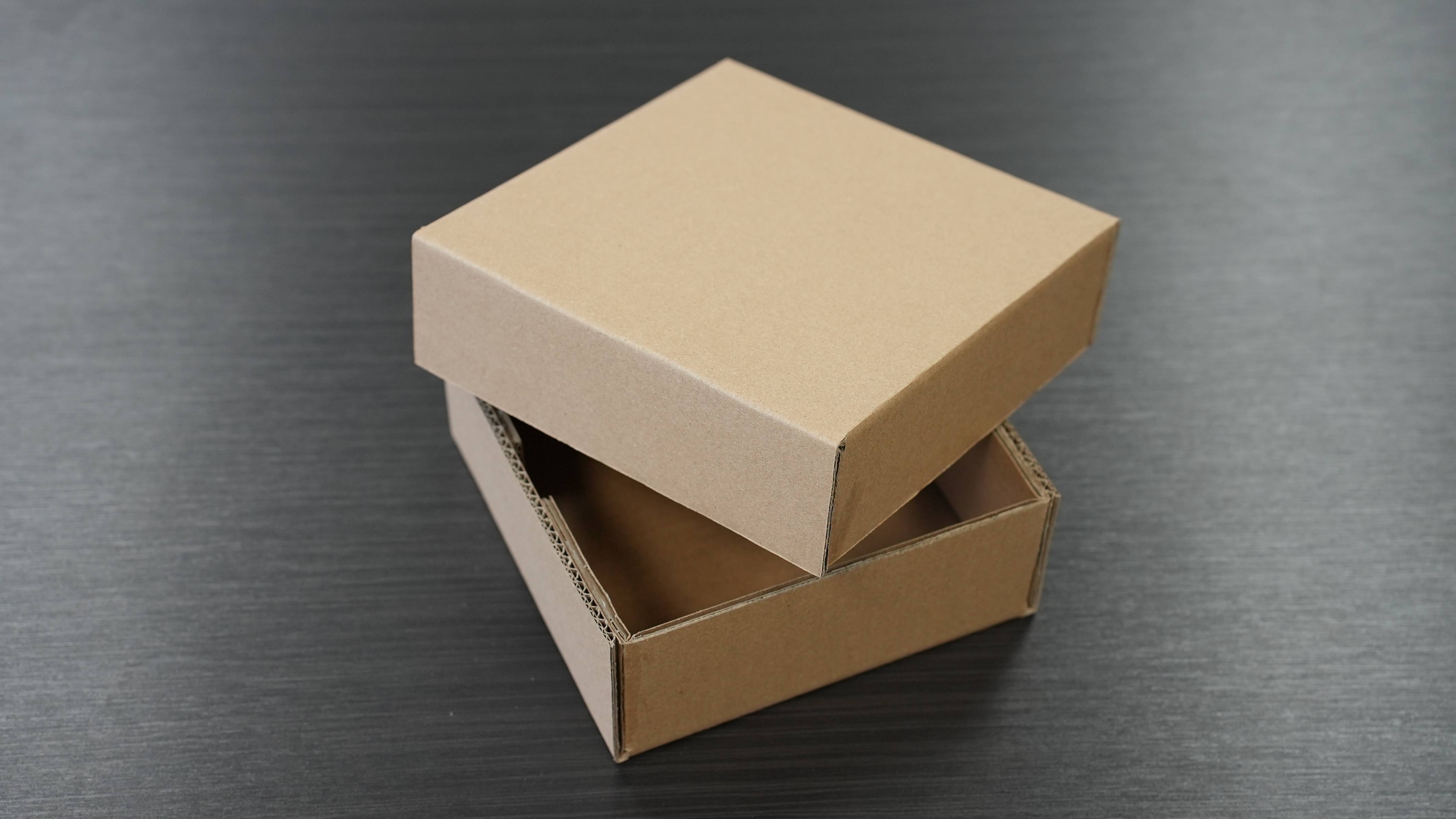
The natural world has long perfected armor through irregular geometries—consider the helical plywood arrangement of mantis shrimp clubs or the interlocking sutures of a turtle’s carapace. In engineering, we now translate these eccentric frameworks into impact-resistant panels and blast-proof enclosures. By moving away from flat planes and orthogonal grids, designs like fractal-inspired corrugations and auxetic honeycombs distribute stress along non-linear paths, dissipating energy far more efficiently than a monolithic slab ever could. The beauty is in the unpredictability: a collision that would shatter a uniform surface becomes a chaotic, manageable cascade of micro-failures in a geometrically unconventional shield.
Consider the counterintuitive principle behind negative stiffness metamaterials. A typical damping mechanism requires large displacements to absorb shock, but in structures composed of bistable unit cells, energy is trapped through snap-through buckling before it can propagate. These lattices—often resembling a mesh of intersecting hourglasses or egg-crate patterns—offer supreme protection without the bulk. A laptop case only millimeters thick, for instance, can safeguard sensitive components from a drop by exploiting internal phase transitions. The key lies in designing the unit cell topology so that it prefers to collapse locally rather than transmit force globally, a stark departure from conventional cushioning.
Another frontier is the fusion of fluidic logic with solid frameworks. Imagine a hollow vascular network embedded within a protective shell, where a non-Newtonian fluid stiffens instantaneously upon impact. Originally observed in cornstarch-and-water suspensions, this shear-thickening behavior is now being structured into 3D-printed lattices that can be tuned to activate at specific strain rates. These “programmable armor” systems remain flexible under normal handling but become rigid shields when struck. It’s a dynamic approach that eliminates the trade-off between comfort and safety, pointing toward a future where protective gear adapts its very morphology to the threat at hand.
Smart Packaging Meets Corrugated: Integrating Tech for Supply Chain Visibility
Corrugated boxes have long been the backbone of logistics, but their role is quietly being rewritten. By weaving in smart packaging elements—printed sensors, conductive inks, and thin-film electronics—these humble containers now track shock, temperature, and even location without the bulk of traditional trackers. It's not about making boxes flashy; it's about giving them a voice within the supply chain that was previously silent.
The real shift happens when data flows from the box itself, not just a label slapped on at the last mile. Moisture-sensitive coatings that change color when a shipment gets wet, or near-field communication layers that log every handoff, turn the package into an active participant. This immediacy cuts through the fog of batch-level tracking and lets logistics teams pinpoint trouble before it cascades—think cold chain drugs or fragile electronics that arrive pre-compromised.
Adoption isn't simply about adding tech; it demands a rethink of recycling streams and cost structures. However, early movers are finding that the payoff goes beyond damage reduction. Real-time visibility into handling patterns is reshaping packaging design itself—fewer layers of redundant cushioning, more targeted protection based on actual journey stress. When the package talks back, the whole system learns.
E-Commerce’s Ripple Effect: Tailored Solutions for the Digital Shelf
The surge in online shopping has reshaped how brands present products, turning the digital shelf into a prime battleground for visibility and conversion. It’s no longer enough to simply list an item and wait; the ripple effect of e-commerce demands a dynamic, multifaceted approach. From high-resolution imagery and 360-degree views to context-rich descriptions and seamless video integration, each element must work together to replicate the tactile confidence of an in-store experience. Brands that treat their digital shelf as a living, breathing entity—constantly optimized for shifting algorithms and consumer habits—stand to gain far more than just clicks; they build lasting trust in an environment where hesitation often leads to a lost sale.
Tailored solutions for the digital shelf move beyond generic templates and into the realm of strategic storytelling. This means segmenting content based on where a shopper is in their journey: crisp technical specifications for the informed buyer, engaging lifestyle scenarios for the curious browser, and scannable bullet points for the mobile-driven comparison shopper. It also involves leveraging data intelligently—not just tracking what sells, but understanding why. Heatmaps, session replays, and purchase patterns can reveal subtle friction points, like a missing size guide or a poorly placed call-to-action, allowing brands to fine-tune their shelf presence with surgical precision. When content adapts to context, the digital shelf transforms from a static catalog into a responsive sales ally.
The ripple effect extends further, touching supply chains, customer service, and even product development. A well-tailored digital shelf reduces return rates by setting accurate expectations, which in turn eases logistical strain and strengthens sustainability claims. It also surfaces real-time feedback loops: when reviews highlight a recurring issue, agile brands can tweak content to address concerns head-on or refine the product itself. In this interconnected ecosystem, the digital shelf is not an endpoint but a hub of continuous improvement, where each refinement sends positive ripples outward, reinforcing brand reputation and deepening customer loyalty in a fiercely competitive landscape.
Lightweighting Without Compromise: Engineering Thinner, Stronger Boxes
Reducing material use in packaging often sparks concerns about durability. But modern engineering proves that box strength isn’t just about thickness—it’s about structure. By rethinking flute geometry and linerboard combinations, we can shave off grams while actually improving stacking performance. The key lies in shifting from a “more material equals more protection” mindset to one that treats every fiber as a load-bearing element.
Advanced simulation tools now let us model stress distribution under real-world conditions before cutting a single prototype. This allows for precise calibration of corrugated profiles, creating thinner walls that resist buckling better than their bulkier predecessors. Strategic reinforcement only where compression forces concentrate means boxes stay rigid without the extra weight. The result? Packaging that costs less to ship, handles rougher, and still keeps products safe.
Print Personalization at Scale: Digital Advances Transforming Brand Storytelling
The days of one-size-fits-all marketing are fading fast. Brands now weave individual customer details directly into their printed materials, thanks to digital presses that can vary text, images, and even finishes from piece to piece without slowing down. It’s no longer about simply dropping a name into a greeting — it’s about tailoring entire narratives. A skincare label might shift its imagery based on climate data, a direct mail postcard could reference a recipient’s recent purchase history, all while maintaining the rich tactility of ink on paper.
Behind the scenes, this shift relies on advanced data integration. Customer relationship platforms feed real-time behavior into variable data printing workflows, so every brochure or catalog spread reflects a living relationship. Print is shedding its static reputation and acting more like a dynamic touchpoint. Marketers can A/B test physical campaigns almost as nimbly as digital ones, swapping out fonts, offers, or color schemes for micro-segments of their audience. The result feels less like mass communication and more like a one-to-one conversation, scaled to thousands.
Crucially, this isn’t just about clever technology — it’s about emotional connection. When a brand remembers your birthday with a packaging insert that features your name in its signature typeface, or a travel brochure that picks up where last year’s trip left off, the story becomes yours. Digital printing makes these moments feasible without bankrupting the marketing budget. The quiet innovation here is that the machinery has become agile enough to let brands be thoughtful again, merging the efficiency of automation with the warmth of personal touch.
FAQ
It’s the blend of rapid tech adoption and a willingness to experiment with structure. Many factories now use AI-driven cutting lines, but they also push shapes—think hexagonal mailers or snap-lock fruit trays that replace foam. The real kicker is how quickly they pivot from concept to container ship.
Absolutely. We’re seeing kraft layers fused with thin cork veneers for luxury spirits, or a waxy rice-paper lining inside standard flute for greasy street-food delivery. Mycelium-based corner bumpers are quietly replacing polyethylene, too—grown to fit and fully backyard-compostable.
Some local tea brands now run five-color offset plus a soft-touch overcoat, making the box feel velvety. Others use thermochromic ink that reveals a hidden pattern when chilled—perfect for cold-chain pastries. It turns a shipping carton into part of the unboxing ritual.
Live-stream selling. A host might need 800 special boxes for a 24-hour flash sale, fully branded and with a tear-away coupon panel. Digital flexo setups now churn those out in three days, no die charges. It’s basically just-in-time drama packaging.
The collapsible wine shipper with an integrated honeycomb sleeve. It ships flat, pops open, cradles the bottle against drops, and the whole thing weighs 40% less than the old polystyrene version. Some exporters tweak the die-cut to lock two cases together in a container, cutting dunnage waste.
Starch-based adhesives are standard, and many mills run closed-loop water systems. But the clearest shift is the pre-consumer waste recovery: trim and scrapped sheets are pulped on-site and turned back into medium paper within hours. The market’s also favoring single-material designs without tape—just folded tabs that hook shut.
Yes, a folding pattern inspired by Beijing’s paper kite ribs—scored diagonally to collapse a large flat sheet into a rigid box with no glue. Artisanal mooncake packs borrow from indigo-dyed fabric, using debossed textile motifs onto recycled liner. It reads heritage, not corrugated.
Conclusion
China's corrugated box industry is undergoing a remarkable transformation, driven by sustainability imperatives and cutting-edge design. Eco-conscious material choices are at the forefront, with manufacturers embracing recycled and renewable fibers, water-based inks, and biodegradable coatings to shrink environmental footprints without sacrificing performance. This green shift goes hand in hand with unconventional structural engineering—think honeycomb reinforcements, origami-inspired folds, and modular designs that deliver superior protection while reducing material waste. These innovations are not just about strength; they reimagine how boxes can be assembled, reused, and even repurposed, adding functional value beyond mere containment.
Technology is further reshaping corrugated packaging, as smart features like RFID tags and QR codes are embedded directly into boxes, enabling real-time supply chain tracking and interactive brand experiences. The e-commerce boom has amplified the need for tailored solutions that safeguard products from warehouse to doorstep, prompting designs optimized for automated handling, right-sized dimensions, and easy returns. Meanwhile, lightweighting advances allow for thinner, stronger boards that cut shipping costs and emissions without compromising durability. On the aesthetic front, high-speed digital printing now enables mass personalization, turning plain boxes into vibrant storytelling tools that forge deeper consumer connections. Together, these trends position Chinese corrugated packaging at the intersection of function, sustainability, and brand engagement, setting new global benchmarks.
Contact Us
Contact Person: Mr. Ge Man
Email: [email protected]
Tel/WhatsApp: 8613710506492
Website: https://www.shitengzx.com