

China Fiberglass Geogrid: Enhancing Infrastructure Durability with Advanced Reinforcement Solutions
2026-05-20
Across the globe, the backbone of modern civilization—our roads, bridges, and retaining walls—faces relentless stress from traffic loads, weathering, and ground movement. Traditional reinforcement methods often fall short, but the rise of China fiberglass geogrid is rewriting the rules of long-term infrastructure durability. These advanced meshes distribute stress more evenly, resist chemical degradation, and significantly extend the service life of critical structures. At the forefront of this innovation, WEN FENG STONE has been quietly powering some of the most demanding projects with solutions that combine technical rigor and field-proven reliability. Yet, what truly sets these geogrids apart, and why are engineers increasingly turning to them over conventional alternatives? Let’s dig into the hidden mechanics that make these reinforcement systems a cornerstone of modern construction.
Fiberglass Geogrids at the Forefront of Roadway Longevity
The integration of fiberglass geogrids into pavement structures marks a pivotal shift in how engineers approach long-term roadway performance. Unlike traditional reinforcement materials, these grids distribute tensile stresses across a wider area, effectively mitigating the formation of reflective cracks that typically originate from underlying layers. This proactive reinforcement transforms the pavement into a more unified composite, where the high tensile modulus of the glass fibers resists deformation under repeated traffic loads. The result is a road surface that maintains its structural integrity far longer, even under harsh environmental conditions and heavy axle loads.
What sets fiberglass geogrids apart is their exceptional resistance to environmental degradation. They are inherently immune to biological attacks and chemical corrosion, which often plague steel reinforcements. Additionally, their low creep tendency ensures that the reinforcement remains effective over decades, without the gradual elongation that can compromise other materials. Installation is straightforward, requiring minimal specialized equipment, and the grids can be placed between asphalt layers or at the subgrade interface. This versatility allows for targeted strengthening in areas prone to rutting and fatigue, extending service intervals and reducing the frequency of disruptive maintenance operations.
Beyond the immediate structural benefits, the use of fiberglass geogrids also offers a quieter, more sustainable approach to road construction. By prolonging the pavement's life cycle, they reduce the demand for virgin materials and the carbon footprint associated with frequent resurfacing projects. The smoother, crack‑free surfaces that result also diminish vehicle operating costs and traffic noise. As transportation agencies and contractors look for reliable methods to do more with less, these geogrids have become a silent workhorse, helping networks of roads stay in service well past the expectations set by conventional designs.
Bridging Strength and Flexibility in Challenging Terrains
True resilience in demanding landscapes comes from designs that don't force a choice between rigidity and pliability. Instead, they interweave materials and structures that can bear heavy loads yet yield just enough when the ground shifts. This approach transforms potential failure points into adaptive responses, whether it's a suspension system that stiffens under impact but softens over constant vibration, or a framework that distributes stress while allowing temporary deformation.
What sets apart successful implementations is the ability to read the terrain in real time and adjust accordingly. Rather than relying on brute strength alone, these systems employ layered intelligence—mechanical, material, or electronic—to balance power with suppleness. The result is a quiet confidence in motion, where the passage over obstacles feels less like a battle and more like a conversation with the earth, each step or turn shaped by an ongoing negotiation between hold and give.
How Chinese Innovation Reinvents Soil Stabilization
Across China’s rapidly expanding infrastructure landscape, engineers are quietly rewriting the rules of soil stabilization. Rather than leaning on imported polymers or energy-intensive cement mixes, local innovators have turned to a more nuanced understanding of geochemistry and microbiology. By blending industrial byproducts like fly ash and slag with tailored enzyme induced calcite precipitation, they are transforming loose, problematic soils into load-bearing strata that rival traditional methods at a fraction of the carbon footprint.
What truly sets these advances apart is their emphasis on adaptability. In the loess plateaus of the north, where water sensitivity causes catastrophic collapse, researchers have developed bio-grouting techniques that fill pore spaces with naturally cemented networks. Down in the karst riddled south, new composite binders react with the native clays to form stable crystalline structures that resist erosion even during monsoon seasons. The result is not a one-size-fits-all product, but a growing toolkit that responds to regional soil signatures with precision.
The shift also reflects a broader philosophy: achieving durability without sacrificing ecological balance. Field trials show that these methods can cut cement use by up to 60% while extending the service life of rural roads, slope protections, and foundation layers. They also rely heavily on automated monitoring systems that feed data back into the blend designs, creating a continuous improvement loop that traditional methods simply cannot match. In essence, China’s soil stabilization story is no longer just about holding ground together—it’s about doing so intelligently, sustainably, and at a scale that legacy approaches never envisioned.
Prolonging Pavement Life with Minimal Maintenance
Effective pavement preservation doesn't rely on constant, costly interventions. By focusing on timely, small-scale treatments, agencies can significantly extend service life without breaking budgets.
Techniques like crack sealing and micro-surfacing address distress at early stages, preventing water infiltration and structural decay. These low-cost methods, applied at the right moment, can add years to a pavement's lifespan.
The key is a shift from reactive repairs to proactive maintenance. Regular inspections and a commitment to addressing minor issues promptly keep roads in better condition longer, reducing the need for major reconstruction.
The Quiet Backbone of Modern Infrastructure
Beneath the glow of smartphone screens and the hum of data centers, a silent network of physical systems keeps the digital world tethered to reality. Fiber-optic cables crisscross ocean floors, power substations balance unpredictable loads, and water treatment plants run on automated sensors few ever see. This layer doesn't chase headlines, yet it absorbs every shock—from sudden demand spikes to rolling brownouts—without applause. Its resilience is designed to be invisible, a quiet contract between engineering and everyday life.
What makes this backbone truly remarkable is the way it hides complexity in plain sight. A single undersea cable fault can reroute terabytes of traffic in milliseconds, while maintenance crews in unmarked vans swap out transformers at 3 a.m. These systems are built on redundancy so deep that failure becomes a statistical ghost. The operators who sustain them rarely speak at conferences; their expertise lives in binders of hand-annotated schematics and tacit knowledge passed through apprenticeships. It’s a culture of calm problem-solving that thrives on being overlooked.
Yet this quiet dependability carries a paradox: its very reliability makes it easy to ignore. We notice only when the water stops running or the lights flicker. The rest of the time, the backbone absorbs neglect just as smoothly as it handles demand. Upgrades are often deferred, funding quietly trimmed, because operational silence can be mistaken for effortless permanence. The unsung work here isn’t just about keeping things running—it’s about resisting the entropy of indifference, day after unnoticed day.
From Fast Construction to Lasting Performance
Speed in construction no longer comes at the expense of durability. Modern methods such as modular assembly and just-in-time material delivery compress project timelines without cutting corners. Components fabricated off-site under controlled conditions arrive ready to install, slashing on-site labor while maintaining precise tolerances. The result is a structure that goes up in days, not months, yet meets rigorous long-term performance standards.
What truly bridges rapid assembly and enduring quality is the choice of materials and joining techniques. High-strength, lightweight composites and advanced adhesives create bonds that actually strengthen over time. Steel connections treated with anti-corrosion coatings, combined with self-healing concrete blends, mean a building can weather decades of use with minimal intervention. It’s a shift from merely building quickly to engineering resilience into every joint and panel.
Perhaps the most overlooked advantage is how efficient construction workflows reduce the hidden enemies of longevity—errors and exposure. When a project drags on, materials sit exposed to moisture and UV damage, and miscommunications multiply. Accelerated schedules paired with digital modeling keep everyone aligned and the envelope sealed fast. The outcome speaks for itself: a facility that performs from day one and keeps performing, year after year.
FAQ
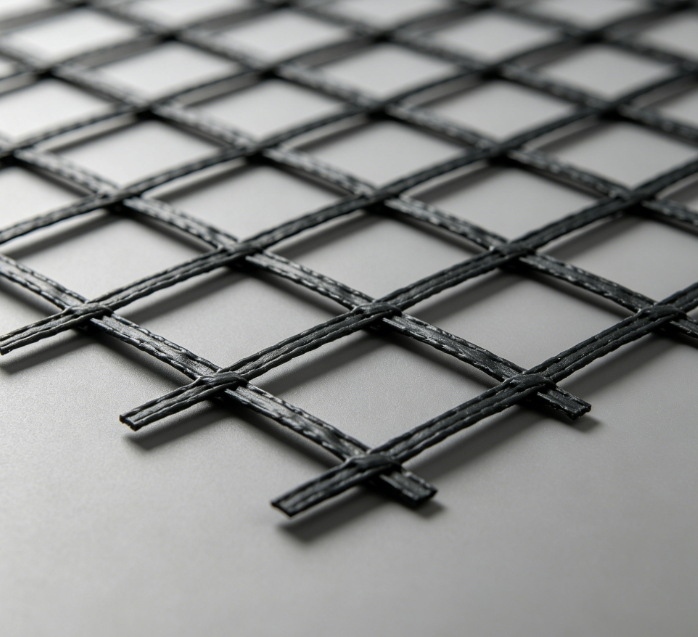
A fiberglass geogrid is a mesh-like material woven from high-strength glass fibers and coated for protection. It reinforces soil, asphalt, or aggregate layers by interlocking with particles to distribute loads more evenly, which reduces stress on the underlying structure and extends its service life.
They shine in road construction, railway ballast stabilization, retaining walls, and slope reinforcement. Any project where soil stability or asphalt cracking is a concern can benefit, particularly in soft ground conditions or areas with heavy traffic loads.
Chinese manufacturers have refined production to deliver high-tensile strength at competitive cost, often with advanced coating technologies that improve durability and resistance to chemical attack. This means longer-lasting reinforcement without the premium price tag of some Western equivalents.
Installation is straightforward: after preparing the subgrade, the geogrid is rolled out and cut to fit, tensioned slightly, and then covered with fill material. Proper overlap and anchoring at the edges prevent slippage, and the whole process integrates seamlessly into normal earthwork or paving operations.
Yes, they are engineered to resist degradation from moisture, temperature swings, and UV exposure when coated. Fiberglass doesn't absorb water, so freeze‑thaw cycles cause minimal damage, making these geogrids reliable in everything from arid deserts to rainy, cold regions.
Fiberglass offers a unique combination of high stiffness, low elongation under load, and immunity to corrosion. Unlike steel, it won't rust, and compared to polyester, it experiences far less creep, meaning the reinforcement remains effective for decades without deforming.
When properly installed and protected by the surrounding materials, a quality fiberglass geogrid can easily last 50 years or more. Its inert nature means it doesn't biodegrade or react with soils, making it a genuinely long-term solution.
Conclusion
In the quest for infrastructure that endures, China's fiberglass geogrid emerges as a transformative force, redefining how roads and foundations withstand time and terrain. Far from being a mere additive, this advanced reinforcement solution integrates high tensile strength with remarkable flexibility, enabling pavements to resist cracking and deformation under heavy loads and harsh climates. By distributing stress more evenly across soil layers, it dramatically prolongs pavement life while reducing the need for frequent, costly repairs—a quiet revolution in soil stabilization and roadway longevity that keeps maintenance minimal and performance reliable.
Beyond raw durability, these geogrids serve as the unseen backbone of modern construction, bridging the gap between fast-track project demands and lasting structural integrity. Whether reinforcing mountainous highways or stabilizing soft ground for urban expansion, Chinese innovation has refined the material to excel in challenging terrains without compromising on installation speed. The result is a seamless fusion of efficiency and resilience: infrastructure that rises quickly yet stands firm for decades, embodying a smarter, more sustainable approach to building the arteries of our connected world.
Contact Us
Contact Person: Jennifer LEE
Email: [email protected]
Tel/WhatsApp: 8618553418999
Website: https://vip.e-baixing.com/wenfengshitong