

China Flower Materials: Essential Guide to Sourcing and Crafting with Fresh Blooms
2026-10-09
Ask any florist who regularly works with Chinese flower materials and they'll tell you: the real skill isn't just arranging—it's sourcing. From knowing which Yunnan farms pack the sturdiest ranunculus to understanding how humidity in transit affects petal quality, the details matter. This guide covers exactly that: where to find reliable suppliers, how to condition stems once they arrive, and which crafting techniques bring out the best in each bloom. For hands-on sourcing without the guesswork, PHLEEYA selects and ships flower materials that are ready to create with the moment they land.
Navigating China's Flower Markets Without Getting Lost in the Crowd
Go before the sun does. At Dounan Flower Market in Kunming, the real wholesale rush peaks between 4 and 6 a.m., when buyers drag carts stacked with roses and carnations through narrow aisles. By mid-morning the floor is slick with stem cuttings and the crowd has shifted from traders to tourists with selfie sticks. Arriving early lets you follow the natural flow of handcarts instead of pushing against it, and the sellers are more willing to pause for a quick price check before the next wave rolls in.
Pick a fixed visual anchor once you step inside—the stall with dyed blue roses, the corner stacked with eucalyptus buckets, or the refrigerated room humming near the back wall. Work outward from that point in a loop and note the section signs for cut flowers, potted plants, and wrapping supplies. The main entrance always bottlenecks, but locals often cut through the packaging aisle where rolls of floral paper and spools of ribbon act as a quieter bypass to the opposite side.
When you find a bunch you like, check the price per bunch, not per stem, and use your phone calculator to confirm numbers if the chaos gets loud. A friendly pause and a slight shake of the head can knock a few yuan off when buying three or more bunches, especially in the last hour before the midday cleanup. If the crowd suddenly thickens, step toward the cold storage area—the chilled air is a relief and the back exit is usually just beyond it.
What's Actually in Season: A Realistic Calendar for Local Blooms
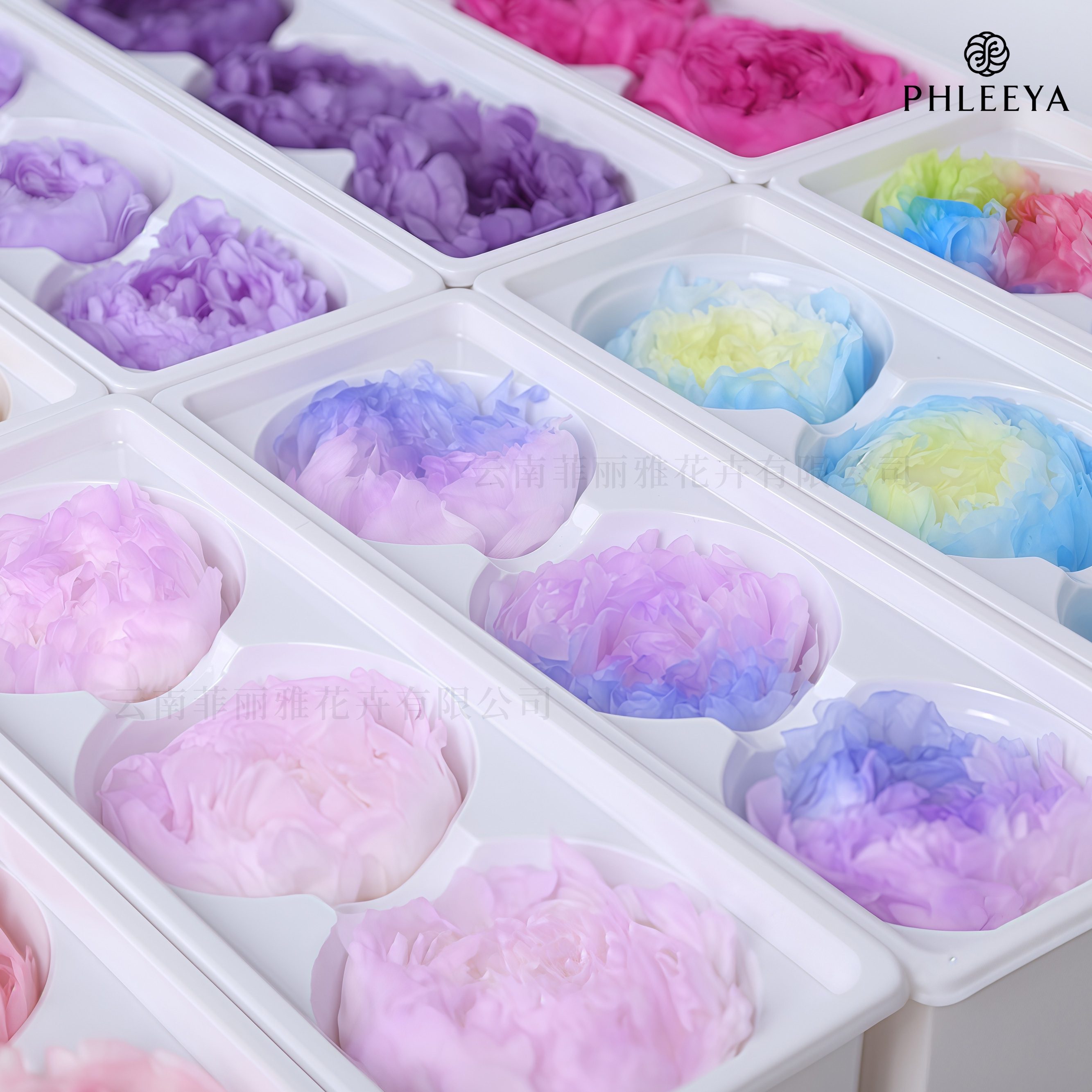
The phrase “what’s in season” is often oversimplified into generic spring-summer-fall buckets, but a realistic calendar for local blooms reads more like a series of overlapping waves. In late winter and early spring, the first true local flowers are usually woody shrubs and tough perennials—witch hazel, hellebores, snowdrops, winter aconite—long before tulips take over the market tables. These blooms often arrive while nights still dip below freezing, and their availability depends heavily on how a grower has overwintered their beds or forced branches indoors.
By mid-spring, the palette widens with daffodils, species tulips, ranunculus, anemones, and the first flush of flowering branches like forsythia and quince. But a realistic local calendar has to account for microclimates: what opens in a sheltered valley in late April might still be tight buds on a windy hillside two weeks later. Peonies are a good example—growers in warmer zones may cut them in mid-May, while cooler pockets won’t see them until early June. Rather than a fixed date, local bloom time tracks accumulated warmth and day length, which is why week-to-week market lists are more accurate than a static chart.
Late summer and autumn bring the most abundant and forgiving cut flowers: zinnias, dahlias, sunflowers, celosia, amaranth, and cosmos. These heat-loving annuals keep producing until the first hard frost, and they’re often followed by cool-season stalwarts like chrysanthemums, ornamental kale, and branches loaded with berries or turning leaves. A truly realistic calendar also leaves room for gaps—many areas experience a lull in late July when spring plantings fade and the main summer crop hasn’t peaked. Knowing these natural ebbs and flows, instead of expecting every flower year-round, is what makes local blooms feel genuinely seasonal.
Reading Freshness Like a Buyer Who's Been Burned Before
You don't need a checklist to know when produce has given up. A limp carrot, a slimy bag of spinach, berries sweating in their plastic clamshell—these are the tells you learn after one too many disappointing grocery hauls. The trick isn't just looking, it's touching with intent. Give that cucumber a gentle squeeze; if it yields like a stress ball, leave it. Pick up the bagged greens and turn them upside down. If moisture clings to the inside like morning fog on a windshield, that's decay setting in early. Freshness isn't a label, it's a read.
Smell is your secret weapon, though most people skip it out of politeness. A head of lettuce shouldn't smell like anything but faintly green. If you catch a whiff of must or something vaguely sweet and off, trust that instinct—it's your brain flagging spoilage before your eyes catch up. Same goes for citrus: press a thumbnail lightly into the rind. You want resistance and a burst of oil, not a soft give that suggests the inside has turned to mush. These aren't fancy techniques; they're what you pick up after losing money on produce that looked perfect in the store and collapsed by Tuesday.
The real skill is checking the spots nobody bothers with. Tomato stems, the bottom of a bag of apples, the fold in a package of herbs. That's where rot starts, hiding from the display lights. Pull a few grapes from the middle of the bunch, not the front. Break a green bean in half—if it snaps clean, it's alive; if it bends like a rubber band, walk away. After a few bad purchases, you stop trusting the display and start trusting your hands, your nose, and that quiet voice that says, "This one's already gone."
The Prep Routine That Makes Cheap Stems Look Expensive
Most people toss those $6 market bouquets straight into a vase and wonder why they flop by day two. The real upgrade happens before water ever touches the glass. Start by stripping every leaf that would sit below the waterline—leaves rot fast and turn the water cloudy. Then recut each stem at a sharp 45-degree angle with clean snips, not kitchen scissors, and do it under warm running water so air bubbles don't block the uptake.
Woody stems like eucalyptus or stock need a little more persuasion. Use the heel of your knife to lightly crush the bottom inch before the angled cut, which opens more surface area for drinking. For hollow-stemmed flowers—tulips, amaryllis—fill the stem with water, plug the end with a cotton ball, and only then place it in the vase. It sounds fussy, but it keeps the neck from bending and doubles vase life.
Finally, don't sleep on the overnight rest. Put prepped stems in a cool, dark spot for six to eight hours in lukewarm water mixed with the little preservative packet, or a splash of lemon-lime soda if you're out. The sugar feeds them while the acid clears the stem ends. By morning, even supermarket filler will look like it came from a boutique florist.
Crafting with Chinese Blooms: Projects That Don't Require a Florist's Skill
Chinese blooms like peonies, chrysanthemums, and plum blossoms hold deep cultural meaning, but you don't need a florist's training to bring their beauty into your home. One of the simplest projects is pressing fresh petals between sheets of absorbent paper, then using the dried flowers to decorate handmade cards, bookmarks, or even a simple glass frame. The key is to choose blooms that are relatively flat and not too fleshy, so they dry evenly and keep their color for months.
Another forgiving craft is creating paper replicas of classic Chinese flowers. Crepe paper or mulberry paper works wonderfully for mimicking the layered petals of a peony or the delicate branches of a plum blossom. With just scissors, floral wire, and a bit of glue, you can shape a small arrangement that never wilts. The best part? You can adjust the size and color to match any room, and mistakes are easily hidden by adding another petal or leaf.
For those who prefer a more rustic look, try arranging dried lotus pods, pampas grass, and preserved hydrangeas in a simple ceramic vase. There is no need for precise balancing or professional wiring—just trim the stems to slightly different heights and let the natural shapes interact. The result feels both effortless and rooted in the quiet elegance of a Chinese garden, proving that anyone can craft with blooms, no florist skill required.
Stretching Vase Life with Household Staples and a Little Patience
Most cut flowers fade faster than they should because the water they sit in quickly turns into a bacterial soup. You can slow that process dramatically with things already sitting in your pantry. A few drops of plain bleach in the vase water keeps the slime at bay without harming the stems. A teaspoon of sugar gives the blooms a gentle energy boost. Change the water every other day instead of just topping it off, and recut each stem at an angle under running water so air bubbles don't block the uptake.
Patience matters more than any secret ingredient. Before arranging, strip off every leaf that would sit below the waterline—those leaves rot first and poison the whole vase. Then let the flowers rest in a cool, dark room for a few hours after cutting. This lowers their respiration rate and helps them drink deeply before facing the dry air of your living room. A penny dropped in the vase works for some people because copper acts as a mild fungicide, but only if the coin predates 1982 and still has enough copper content to matter.
Don't just plunk the vase on a sunny windowsill and forget it. Move it away from fruit bowls—ripening apples and bananas release ethylene gas that pushes flowers into early senescence. At night, stick the whole arrangement in the fridge if you have space. That simple habit can add four or five days to tulips, daffodils, and ranunculus. The real trick is noticing when the water starts to cloud. If you catch it early, a quick rinse of the stems and a fresh cut revives flowers that look nearly done for.
FAQ
Kunming's Dounan Flower Market is the largest in Asia and handles an enormous variety daily. Guangzhou's Lingnan Flower Market is another hub, especially for tropical blooms, while Yunnan's growing regions supply roses, carnations, and lilies at competitive prices.
Peonies, lotus, plum blossoms, and orchids carry deep cultural meaning. For everyday arrangements, Chinese rose, chrysanthemum, and baby's breath are widely available and easy to work with.
Cut stems at a 45-degree angle, strip lower leaves, and place them in clean water with floral preservative. For long hauls, wrap stem ends in wet newspaper or cotton and seal in plastic, keeping flowers upright and away from direct sun.
Look for firm stems, unblemished petals, and buds that are just starting to open. Ask about harvest date and cold-chain handling. Reliable sellers often provide photos and can ship via air freight to maintain freshness.
Yes, China has its own tradition of flower arrangement emphasizing natural lines and asymmetry. Studying classical Chinese floral art can add a unique touch to modern designs, distinct from Japanese ikebana.
Carnations, chrysanthemums, and statice are inexpensive and long-lasting. Greenery like eucalyptus, ferns, and palm leaves are also cheap and add volume.
Yes, but start with dried or preserved flowers since they are less perishable. Check phytosanitary certificates and work with a customs broker familiar with plant imports. Air freight small batches to test suppliers.
Peonies are typically available from late April to early June, with Luoyang and Heze being major production areas. Order early in the season for the best quality and variety.
Conclusion
You learn quickly in China's flower markets that being early matters more than being polite. The best stalls in Dounan or Caojiadu don't wait for stragglers—bunches of local peonies, sweet osmanthus, or wintersweet get snapped up by buyers who already know what's in season. A realistic calendar matters because imported blooms have blurred our sense of timing; local stems follow their own rhythm, and the freshest picks often look slightly unpolished. Reading freshness means getting hands-on: lift the bunch, feel the stem ends for slime, check that the calyx is tight and the petals have a waxy firmness rather than a limp shine. Anyone who's been burned knows the "too perfect" rose is usually the oldest one in the bucket.
Once the flowers are home, the prep routine does more than any vase can. Trim stems at a sharp angle, strip every leaf that would sit below water, and let cheap carnations, alstroemeria, or chrysanthemums drink in deep, cool water for a few hours—they'll stiffen and start looking twice their price. Crafting with Chinese blooms doesn't require florist foam or complicated wiring. A handful of bamboo, lotus seed heads, and a single showy stem in a low ceramic bowl is enough; let asymmetry and negative space do the work. To stretch vase life, change the water every other day, add a tiny splash of bleach or drop a copper coin in, and keep the arrangement away from fruit bowls. Patience pays: re-cutting stems every three days can add another week to even fragile blooms.
Contact Us
Contact Person: Mr. Luo
Email: [email protected]
Tel/WhatsApp: 86 18100895505
Website: https://www.feiliyaflowers.com/en/