

China Industrial Door Supplier Insights: Key Trends and Selection Tips
2025-12-18
Choosing the right industrial door supplier can make or break your facility's efficiency, safety, and long-term costs. With rapid advancements in automation and insulation, the market is more dynamic than ever—yet surprisingly few insiders talk about what truly separates a reliable partner from a risky bet. In this guide, we cut through the noise and share actionable insights rooted in real-world experience, spotlighting standout players like FANSI that consistently deliver beyond the spec sheet. Whether you're upgrading a cold storage or securing a high-traffic bay, what you'll learn next could save you months of regret.
Market Shifts Driving Industrial Door Demand in China
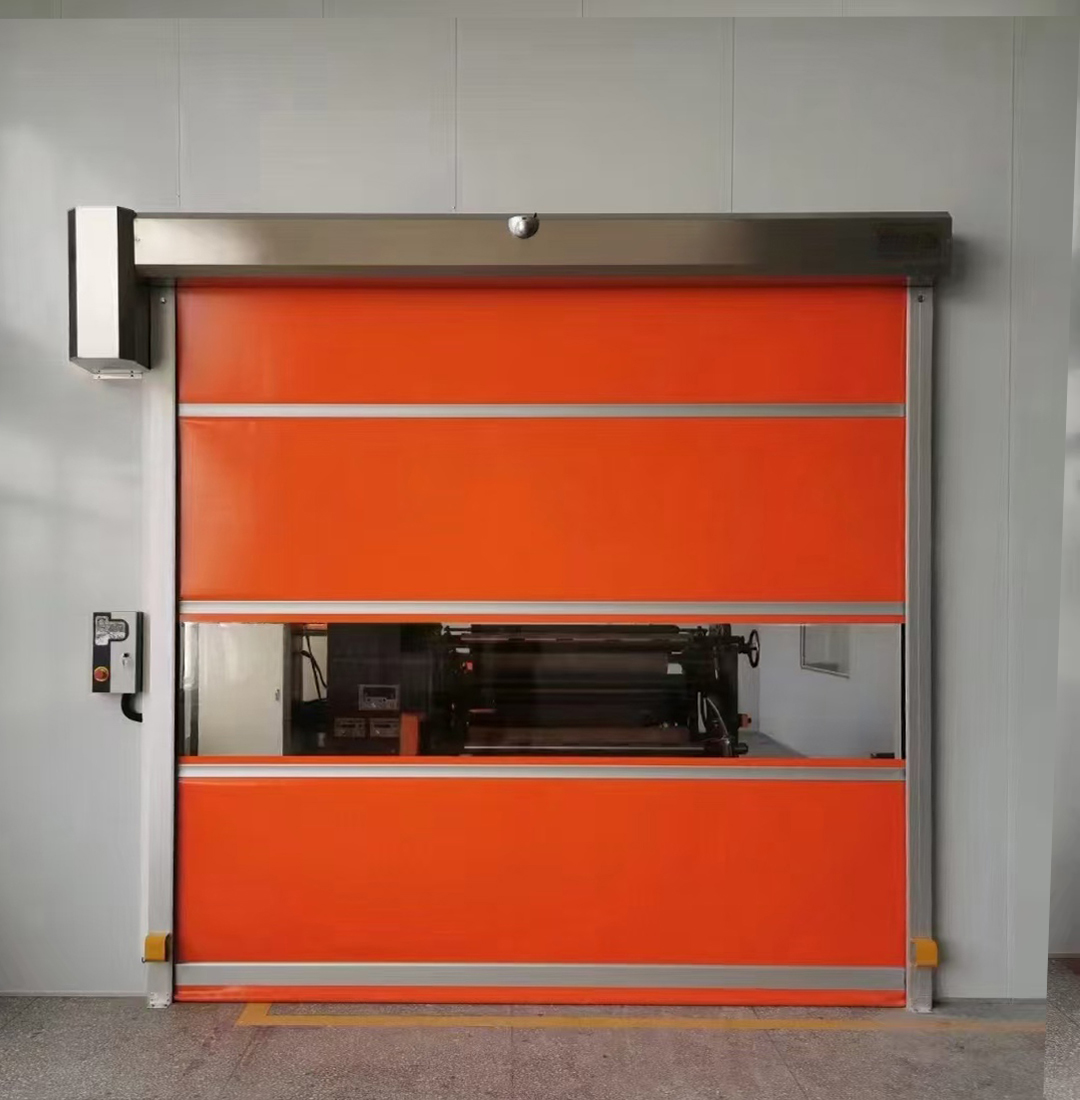
China's industrial door market is experiencing a significant transformation, largely propelled by the rapid expansion of e-commerce and logistics networks. As consumer expectations for same-day or next-day delivery intensify, warehouses and distribution centers are under immense pressure to streamline operations. This has fueled a surge in demand for high-speed industrial doors that can facilitate seamless movement of goods, maintain climate control, and minimize energy loss. These doors are no longer viewed as mere entry points but as integral components of automated material handling systems, where every second saved translates into measurable operational efficiency and cost reduction.
Stricter food safety and pharmaceutical regulations are another critical driver altering the landscape. In sectors such as cold storage, food processing, and cleanroom manufacturing, the need for hygienic, insulated, and hermetically sealed environments has never been greater. Industrial doors designed with smooth, easy-to-clean surfaces, advanced sealing mechanisms, and rapid open/close cycles are becoming mandatory to prevent contamination and ensure compliance with national standards. This shift is pushing manufacturers to innovate with materials like stainless steel and incorporate features such as automatic washdown systems, directly responding to mandates that prioritize product integrity and public health.
Finally, the broader trend toward smart factories and Industry 4.0 is reshaping specifications across the board. Industrial doors are being integrated with IoT sensors, enabling real-time monitoring of usage cycles, predictive maintenance alerts, and remote operation. This connectivity not only enhances safety and reduces downtime but also generates data that feeds into larger building management systems. As China's manufacturing sector upgrades to stay globally competitive, the demand for intelligent door solutions that seamlessly communicate with AGVs, conveyor systems, and facility dashboards is set to rise sharply, marking a clear departure from traditional, mechanically operated doors.
Emerging Technologies Transforming Door Manufacturing
Modern door manufacturing is shedding its century-old image of handcrafted woodwork. Today, lasers and automation are carving out precision components once shaped by chisels and planes. Multi-axis CNC routers now handle complex joinery and decorative inlays in a single pass, while robotic arms apply flawless finishes and assemble hardware with sub-millimeter accuracy. These advances don’t just speed production—they unlock designs that were impossible to produce consistently by hand.
Beyond machinery, material science is rewriting the rulebook. Thermally modified timber resists warping better than traditional kiln-dried wood, and engineered composites with honeycomb cores deliver fire-rated strength at a fraction of the weight. Meanwhile, smart integration is turning doors into active building components. Embedded sensors monitor security, air quality, and energy transfer, while electrochromic glass adapts opacity throughout the day—all managed through building automation systems without a single visible wire.
Perhaps most transformative is the leap toward on-demand digital fabrication. Cloud-based configurators let architects specify dimensions, materials, and performance criteria directly, triggering automated quoting and machine-ready code. This digital thread eliminates months of back-and-forth, enabling bespoke doors to ship within days while drastically cutting waste. The factory floor itself is becoming a testbed for sustainability, with closed-loop powder coating lines and bio-based foam cores replacing petrochemical insulants.
How to Evaluate a Reliable Chinese Supplier
Finding a trustworthy supplier in China goes beyond a simple online search. Start by examining how long they’ve been in business and whether they have a stable export history. A factory that has weathered market shifts and maintained consistent product quality over the years often values long-term partnerships over quick deals. Dig into their client portfolio—if they’ve worked with reputable international brands, it’s a positive signal, but don’t rely solely on that. Reach out directly and observe their communication style: do they ask thoughtful questions about your requirements, or just push for a quick order? Genuine suppliers show curiosity about your market and offer practical suggestions, rather than blindly agreeing to every demand.
On-site verification remains one of the most effective ways to separate reliable manufacturers from trading companies posing as factories. A physical visit lets you see the production lines, raw material storage, and quality control processes—things no polished website or video call can fully convey. If travel isn’t feasible, hire a third-party inspection service that specializes in your product category. They can audit the facility, check certifications like ISO or CE, and even pull random samples for lab testing. Pay attention to how the supplier handles the process: a transparent partner will welcome the scrutiny, while a hesitant one often has something to hide. Also, don’t overlook the smaller social cues—how they treat their workers and whether the factory floor is organized often reflects their overall management ethic.
Financial health and contract terms are often the last things buyers check, but they’re the most telling. Request a copy of their business license and recent bank credit report; a supplier in solid standing won’t hesitate to share these. When negotiating, watch for red flags like requesting full payment upfront or avoiding clear penalty clauses for late delivery. A fair deal usually involves a 30% deposit and the balance against shipping documents, with room to discuss quality guarantees. Test their responsiveness after the order is placed—do they proactively update you on production progress, or do you have to chase them? A supplier who treats every order as the start of a lasting relationship will naturally keep you informed, turning what could be a risky transaction into a dependable supply chain partnership.
Customization: Tailoring Solutions for Specific Industries
Every industry comes with its own rulebook—healthcare demands strict compliance, manufacturing thrives on operational precision, and retail hinges on real-time consumer insights. Off-the-shelf tools often stumble when faced with these unique pressures. That’s where deep-dive customization steps in, reshaping generic capabilities into a framework that actually speaks the language of your sector. It’s not about tweaking a few settings; it’s about embedding the logic, standards, and nuances that drive your daily decisions.
Take healthcare: a tailored system doesn’t just store patient records—it aligns with HIPAA workflows, flags medication conflicts, and adapts to shifting telehealth regulations. In manufacturing, customization might mean integrating IoT sensor feeds directly into inventory algorithms, so restocking triggers aren’t based on generic thresholds but on actual machine output. These aren’t bolt-on features; they’re fundamental rewrites that make the solution feel native to the environment.
What sets this apart is the recognition that no two industries—or two businesses within them—are exactly alike. A custom approach digs into your data patterns, user behaviors, and legacy tooling to build bridges rather than add layers. The result is less friction, faster adoption, and a system that quietly evolves as your industry shifts. When the solution grows with you, it stops being a tool and becomes an extension of how you work.
Cost vs. Quality: Finding the Right Balance
Striking the right balance between cost and quality often feels like a high-stakes guessing game. Most of us have been burned by a bargain that fell apart in weeks, or we've overspent on a premium product that didn't outperform its mid-range counterpart. The trick isn't to chase the lowest price or blindly equate cost with craftsmanship — it’s about pinpointing where your actual needs intersect with a sensible spend. That $200 chef’s knife might hold its edge for years in a professional kitchen, but for someone who cooks twice a week, a well-balanced $40 option can feel just as sharp and reliable without the guilt of underused investment.
Rethinking value means shifting focus from specifications to real-world usage. Instead of asking “What’s the best I can afford?”, dig into the features you’ll genuinely rely on. A laptop with a blazing processor and 64GB of RAM is overkill for writing and streaming, and that extra cost brings no practical benefit. Similarly, in services like home renovation, experienced mid-tier contractors often deliver results that rival high-end firms, simply because they’ve learned to avoid costly over-engineering. By refusing to pay for hypothetical scenarios and paying only for consistent, real-life performance, you end up with far more satisfaction per dollar spent.
Future Outlook: Sustainability and Smart Integration
The convergence of eco-conscious design and intelligent systems is reshaping how we perceive everyday spaces. Instead of treating sustainability as a checklist, upcoming innovations weave it into the very fabric of our environments—think self-regulating surfaces that harvest ambient energy and materials that adapt to weather shifts without human intervention.
What often goes unnoticed is the quiet orchestration behind this harmony. Smart integration is not about flashy gadgets but about seamless, almost invisible, synergy between systems. Imagine a home where the energy grid, water recycling, and climate control talk to each other in real time, making micro-adjustments that amplify efficiency without ever interrupting your day.
The real breakthrough lies in how these advances anticipate needs before you articulate them. Beyond mere automation, the focus is shifting to intuitive, anticipatory design—where a building learns your habits and syncs with nature's rhythms. This blend of foresight and responsibility ensures that the spaces of tomorrow aren't just smarter, but deeply regenerative.
FAQ
The market is seeing a shift toward smart automation, with doors integrating IoT sensors for real-time monitoring and remote control. Energy efficiency is also a priority, driving demand for high-speed doors that minimize air loss in temperature-controlled environments.
Look for suppliers with a proven track record, transparent manufacturing processes, and strong after-sales support. Check if they offer customization to match your facility's specific needs and whether they use high-grade materials like reinforced steel or durable PVC.
Chinese suppliers offer a wide range, including high-speed roll-up doors, sectional overhead doors, fire-rated doors, and cleanroom doors. Each type is designed for specific applications, from logistics centers to pharmaceutical facilities.
Regular inspections of motors, springs, and safety sensors are crucial. Lubricating moving parts and checking the balance of the door can prevent unexpected breakdowns. A supplier with a responsive service team is invaluable for long-term reliability.
Automation enhances speed and precision, reducing energy costs in busy loading docks. Advanced systems can integrate with warehouse management software, allowing doors to operate seamlessly with conveyor belts and forklift traffic.
Safety is paramount; features like infrared sensors, emergency stop buttons, and breakaway bottom edges help prevent accidents. Compliance with international safety standards is a must when selecting a door for your facility.
Yes, many Chinese manufacturers offer doors designed for harsh conditions like cold storage, dusty workshops, or high-wind areas. Specialized insulation, corrosion-resistant coatings, and reinforced frames are common customizations.
Observe their production line, quality control procedures, and testing facilities. Ask about their raw material sources and see if they have certifications like ISO 9001. A well-organized factory often reflects reliable products.
Conclusion
China's industrial door sector is undergoing significant transformation driven by shifts in market demand, including rapid urbanization and the expansion of logistics and warehousing. Emerging technologies like automation, IoT, and advanced materials are reshaping manufacturing processes, enabling smarter and more durable doors. When evaluating a reliable Chinese supplier, it's crucial to look beyond price and assess their engineering capabilities, quality certifications, and track record in international markets. Visiting factories or conducting virtual audits can reveal much about their commitment to precision and innovation.
Customization has become a key differentiator, with top suppliers offering tailored solutions for industries ranging from cold storage to automotive. Finding the right balance between cost and quality is essential; opting for the cheapest option often leads to higher long-term expenses due to maintenance and downtime. Looking ahead, sustainability and smart integration are set to define the industry, with energy-efficient designs and AI-driven systems becoming standard. Partnering with a forward-thinking Chinese supplier can provide a competitive edge in this evolving landscape.
Contact Us
Contact Person: Liam
Email: [email protected]
Tel/WhatsApp: (+86)16658531012
Website: https://www.fansifiredoor.com