

Chinese 5-Panel Baseball Caps for Effortless Street Style and Everyday Comfort
2026-09-15
Most caps either nail the look or feel good on your head—rarely both. Chinese 5-panel baseball caps flip that script, blending clean lines with a low-key fit that works from morning errands to late-night hangs. If you've been hunting for headwear that doesn't scream for attention but still pulls your entire outfit together, 4ugear has quietly become the go-to for exactly that.
The 5-Panel Crown That Sits Flush Without Swallowing Your Face
The crown is deliberately cut shallow, so the front panel rests against your forehead instead of dropping over your brows. That small change keeps the hat from eating your face, even if you have a narrower head or wear glasses.
Five-panel construction usually adds bulk at the top, but here the seams are taped flat and the peak is rounded just enough. The result sits close to the skull, giving you a clean side profile without the mushroom effect that taller crowns tend to create.
Wear it with the strap adjusted snug instead of tight; the shallow fit does the work, so you don't have to cinch it down and end up with pressure marks above your ears. It looks right with a short brim and a slightly curved bill, keeping the whole silhouette low and sharp.
Breathable Cotton Twill and the End of Sweaty Foreheads
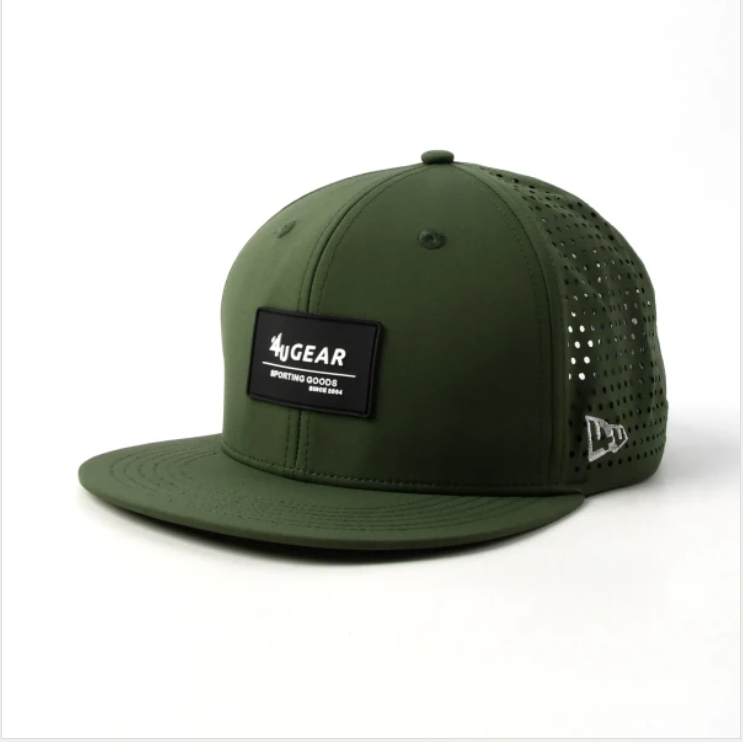
There's a quiet disappointment in pulling on a cap that looks sharp but leaves your forehead damp within minutes. Most cotton twills weave tight enough to block light but also trap every degree of heat your scalp produces. That trade-off has long been accepted as the price of a crisp, structured brim—until now. A looser, more open twill changes the story. Air moves through the weave instead of bouncing off it, pulling moisture away before it can bead on your skin.
What makes this version different isn't a coating or a synthetic liner. It's the yarn itself. Long-staple cotton spun with a slightly lower twist lets the fibers hold their shape while leaving microscopic gaps between threads. Those gaps do the heavy lifting: they let sweat evaporate mid-wear rather than soaking through. You get the same matte finish and durable drape, but without that clammy press against your brow on a warm afternoon.
The real test is a long walk under direct sun. With a standard cap, you'd feel that familiar line of moisture gathering above your eyebrows by the second block. Here, the fabric stays dry to the touch, and the interior band doesn't turn into a sponge. It's a small shift in construction—barely visible from the outside—but it changes the way a hat feels at the end of the day. No more peeling it off and wiping your forehead with the back of your hand.
Wearing Hanzi Characters as a Style Move, Not a Gimmick
There was a time when a T-shirt bearing Chinese characters was little more than a curiosity—something to glance at, maybe chuckle over, then move on. But that's changing. A new generation of designers and wearers has started treating hanzi not as decorative exotica but as a deliberate aesthetic choice, much like calligraphy or typography in any other script. The strokes, the balance, the way a single character can carry layers of meaning—these qualities now hold their own on a jacket or a tote bag without needing translation as a punchline.
This isn't about insisting everyone learn Mandarin before they put on a shirt. It's about moving away from the old habit of slapping random characters onto fabric for a laugh. When a designer chooses hanzi for its visual weight or its quiet symbolism, the garment becomes a conversation piece in a different way. The wearer might know exactly what the characters say, or they might simply appreciate the shape and flow—but either way, the choice is intentional. That intention is what separates a style move from a gimmick.
Of course, wearing another writing system carries responsibility. The line between homage and appropriation can be thin. But when hanzi are treated as a living script rather than a costume accessory, the result feels respectful. It's a nod to the beauty of Chinese calligraphy, a small act of cross-cultural appreciation that doesn't reduce the characters to punchlines. That's the difference: a gimmick asks for a quick laugh; a style move asks for a second look.
How to Style a 5-Panel with Oversized Hoodies and Straight-Leg Jeans
The 5-panel cap gets a bad rap for leaning skate-core, but paired with an oversized hoodie and straight-leg jeans, it reads more like off-duty streetwear than half-pipe uniform. Keep the hoodie a size or two up so the shoulders drop and the hem hits just below the waist—this creates a clean vertical line that the straight-leg jeans extend without bunching. Choose a cap with a shallow crown and flat brim, then tilt it slightly back so the front panel doesn't shadow your face.
Color-blocking does the heavy lifting here. If the hoodie is washed-out grey or cream, let the 5-panel carry a bold contrast—think forest green or oxblood—while the denim stays mid-wash and uncuffed. Avoid stacking the jeans too much; one small break over the shoe keeps the proportion from going sloppy. Roll the hoodie cuffs once over your wrists and you get that deliberate, borrowed-from-your-older-brother fit without looking like you slept in it.
Leather Straps vs. Nylon: Which Closure Actually Lasts
When you actually put both materials through daily wear, the differences show up fast. Leather straps have that stiff, premium feel at first, but over months of sweat, sun, and repeated flexing, they tend to crack at the stress points unless you condition them regularly. Nylon, by contrast, starts out more flexible and shrugs off moisture without much fuss—though cheap webbing can fray at the edges where it rubs against metal hardware.
The real deciding factor isn’t just the material itself, but how the closure is built. A leather strap with a solid buckle and reinforced holes can outlast a poorly stitched nylon loop. However, if you’re talking about constant exposure to water or rough outdoor use, nylon holds its shape and strength longer without maintenance. Leather wins on patina and repairability, but nylon wins on set-and-forget durability.
So which one actually lasts? For everyday carry in dry conditions, top-grain leather that’s periodically oiled will easily go five to ten years. For anything involving water, mud, or heavy abrasion, a quality nylon strap with bar-tacked stitching is the safer bet—it won’t stretch out or snap the way a neglected leather strap eventually will. If you want the longest life with the least effort, pick nylon.
From Morning Commute to Late-Night Skate Session: One Cap, Zero Fuss
The morning rush doesn't wait, and neither does this cap. Pull it on with damp hair or a rushed outfit—it instantly sharpens the look and blocks the low sun on the train platform. No adjusting, no fuss; the brim stays where you want it, and the crown holds its shape even when you shove it into a backpack after the commute.
By the time the streetlights flick on and the board hits the pavement, the same cap is still doing its job. Sweat gets wicked away before it stings your eyes, and the strap keeps everything snug through kickflips and rough landings. You won't be pausing mid-session to fix a slipping brim or scratch a sweaty forehead.
After midnight, toss it on the nightstand and it'll be ready tomorrow—same fit, same shape, zero wrinkles or weird creases. One cap that just works, from the first train to the last trick.
FAQ
It trades the structured dome for a flatter, lower crown made from five fabric panels, which gives it a sleeker profile. Chinese factories have really dialed in the stitching and fabric sourcing, so you get that clean streetwear silhouette without the boxy look of a standard cap.
Yes, the soft unstructured crown and lightweight materials mean you can forget you're wearing one. Many versions from Chinese makers use breathable cotton blends and an adjustable strap, so they fit snugly without squeezing your temples.
It works surprisingly well with smart-casual. Choose a solid color like charcoal or olive, and the minimal front panel won't clash with a chore coat or oxford shirt. The key is keeping the rest of your outfit tailored, not baggy.
Hand wash it in cold water with mild detergent, paying attention to the sweatband. Don't twist or wring the brim; just pat it dry with a towel and let it air-dry on a rounded object like a small bowl. Avoid the washing machine because the unstructured crown can bunch up.
Cotton twill is the most common, but you'll also see nylon ripstop and linen blends. For hot weather, a lightweight cotton-linen blend is ideal because it wicks moisture and dries faster, while ripstop is great for light rain or travel.
In my experience, yes. The better ones use reinforced stitching on the brim and bar-tacked seams at stress points. I've had one for two years, and the only sign of wear is a slightly faded brim, which honestly adds character.
Check the product photos for even panel alignment, especially where the front seam meets the brim. Look for a metal or thick plastic snap closure rather than a flimsy buckle. Read reviews that mention the brim's stiffness—too soft and it will flop after a few wears.
The shallow crown works best for people with oval or diamond face shapes, but the adjustable strap lets you control the depth. If you have a rounder face, wear it slightly tilted back rather than low on the forehead, and avoid overly wide brims.
Conclusion
The five-panel crown sits low and close to the head, so it frames your face instead of swallowing it. That shallow profile is what makes it work with an oversized hoodie and straight-leg jeans—the cap adds just enough structure up top without competing with the layers below. And the breathable cotton twill means you can wear it from a crowded morning subway to a late-night skate session without your forehead turning into a swamp. The sweat-wicking feel isn't just marketing; after a full day, the inside band stays dry enough that you forget you're even wearing it.
What sets these caps apart is how the hanzi characters are treated as part of the design rather than a novelty. A bold character or two on the front panel reads like a deliberate style choice, especially when the rest of the cap stays understated. You can leave the leather strap slightly loose for a broken-in look, or switch to nylon if you'd rather not fuss with buckling every time. Either way, the closure holds up because the materials are chosen for daily abuse. One cap, zero drama—that's the whole point.
Contact Us
Contact Person: Tommy
Email: [email protected]
Tel/WhatsApp: 8613546956008
Website: https://www.4ugearsupply.com/