

Custom Tact Switch Supplier Selection: Essential Tips for a Successful Partnership
2026-06-10
Selecting a custom tact switch supplier isn’t just about components—it’s about building a partnership that drives your product’s success. The right provider goes beyond specs, offering reliability, insights, and a shared commitment to quality. But with countless options, how do you spot the genuine collaborators? At KEJIAN ELECTRONICS, we’ve learned that a seamless supply chain starts with smart vetting. Let’s explore the practical tips that will help you choose a partner, not just a vendor.
Defining Your Tactile Switch Specifications before Vetting Suppliers
Jumping into supplier conversations without a locked-down spec sheet is a recipe for wasted time and sample chaos. Before you fire off that first email, you need to pin down the non-negotiables: actuation force, travel distance, tactile feedback shape (sharp bump vs. soft roll), and mounting style. These aren’t just numbers; they’re the feel your end user will either love or hate. I’ve seen too many projects stall because someone assumed a “standard” switch exists—it doesn’t. Force graphs and lifecycle ratings are your cheat sheet to eliminate mismatched offerings early.
Beyond the obvious mechanical specs, think about how the switch actually behaves in context. Will it live on a crowded PCB with tight spacing, or behind a thick overlay that dampens feedback? Acoustic profile matters more than you’d think—a noisy click can ruin a premium product’s vibe. And don’t overlook environmental resilience: dust, moisture, and temperature swings can degrade a switch’s tactile signature over time. Write these requirements down before anyone quotes a price, and you’ll avoid the supplier who promises the world but delivers mush.
The real magic happens when you translate your product’s user story into hard data. Instead of just saying “it should feel premium,” measure the actuation force on a competitor’s device you’re benchmarking. Note whether the switch needs to survive 100k cycles or 5 million. Share that detail with potential suppliers early, and watch how quickly the serious ones separate from the catalog-pushers. Clarity here doesn’t just speed sourcing—it builds the foundation for consistent manufacturing and happy users.
Evaluating a Supplier’s Engineering Support and Customization Capabilities
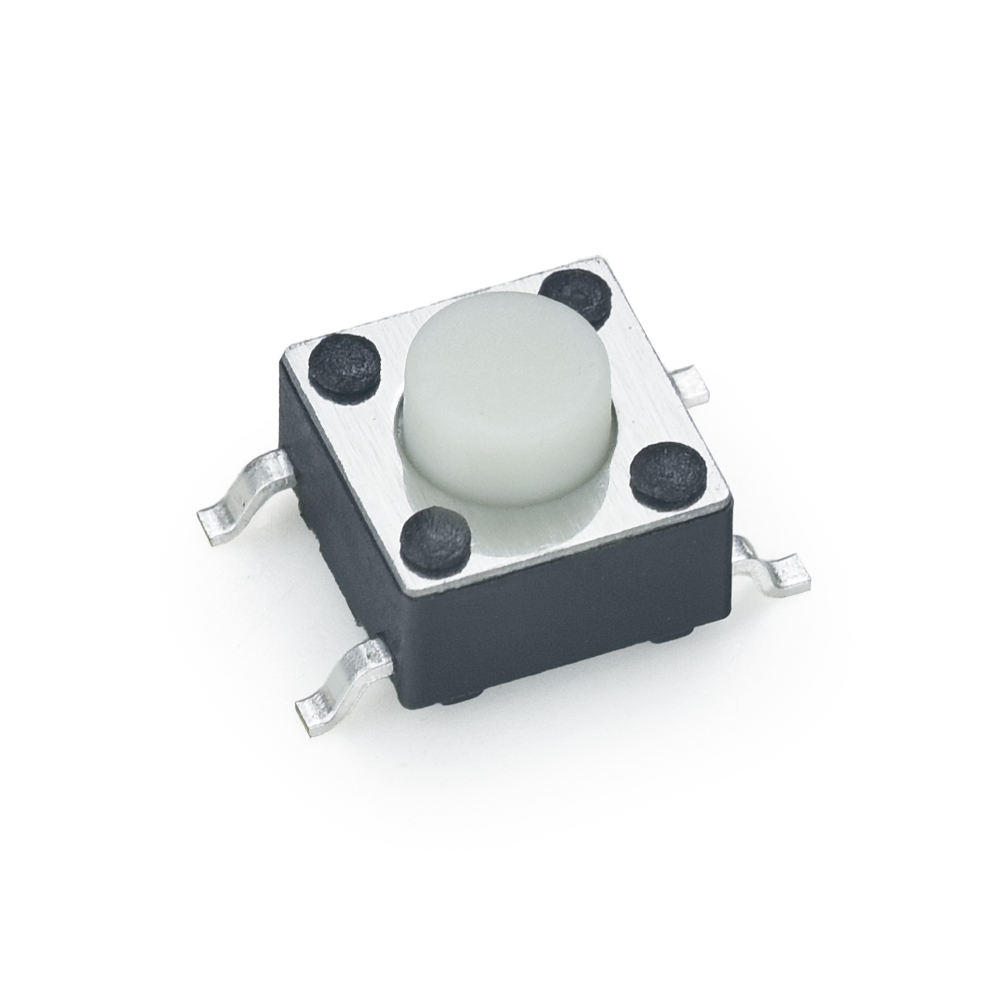
When assessing a potential supplier, it's easy to focus on price and delivery times, but the depth of their engineering support can make or break a project. A supplier with real engineering muscle doesn’t just answer questions—they proactively suggest design improvements, identify potential failure points, and help you optimize for manufacturability. Look for a team that asks smart questions about your application, not one that just quotes a spec sheet. The best partners will walk you through material trade-offs, tolerance stacks, and testing protocols early in the process, saving you from costly revisions down the line.
Customization capability is another dimension that separates transactional vendors from strategic partners. It’s not just about changing a dimension on a drawing; it’s about the supplier’s willingness and ability to tailor processes, tooling, and even supply chain setups to match your unique requirements. Gauge this by discussing a past tricky project—how did they handle unexpected challenges? A supplier that thrives on customization will have a track record of adapting their equipment, modifying inspection methods, or co-developing proprietary compounds to meet specific performance criteria.
Finally, dig into how engineering and customization work together in the supplier’s day-to-day operations. A well-integrated team will have direct communication between engineers and production staff, not a rigid handoff from sales to manufacturing. Ask to see examples of rapid prototyping or how they manage design changes mid-production. You want a supplier who views your specs as a starting point for collaboration, not a static list of demands. Real partnership shows when they bring their own ideas to the table—suggesting a different surface finish that extends service life, or a subtle geometry tweak that shaves weight without sacrificing strength.
Assessing Production Consistency and Quality Control Measures
Production consistency doesn't just happen—it's forged through rigorous checks that go beyond the standard checklist. Our approach digs into the subtle drift of machine tolerances, the quiet variance in raw material batches, and the unspoken habits of shift teams. We track outputs not as isolated data points but as a narrative: when a slight temperature uptick in the curing line appears, we trace it back to the specific lot of resin, correlating it with downstream rejection rates weeks later. This living monitoring system turns every product into a storyteller, flagging inconsistencies before they become customer complaints.
Quality control here isn't a gatekeeper at the end of the line—it's woven into the fabric of each process step. Instead of relying on after-the-fact sampling, we embed real-time sensors that capture dimensional accuracy, surface finish, and weight deviations at multiple stages. The data flows into a central dashboard that operators interpret on the fly, adjusting parameters without pausing the line. This shift from inspection to prediction means we catch anomalies like a gradual tool wear pattern or a subtle conveyor belt misalignment long before they jeopardize a batch. It's the difference between fixing a problem and preventing it from ever taking shape.
Beyond technology, we invest in the human element—training teams to read between the data points. A statistical process control chart tells only half the story; the other half comes from the machinist who notices a change in vibration harmonics or the packager who feels a slight drag in the sealing mechanism. These frontline insights, captured through daily huddles and digital logs, form a parallel quality narrative that complements automated alerts. By merging gut instinct with hard metrics, we create a responsive ecosystem where consistency is continuously recalibrated—not just enforced. The result is a production line that learns, adapts, and delivers with minimal drift, shipment after shipment.
Navigating Lead Times and Supply Chain Resilience
Supply chain disruptions have become a recurring theme, making reliability just as critical as speed. Companies used to chase the shortest lead times, but now they’re realizing that predictability often matters more than pure velocity. When a supplier promises a four-week turnaround but consistently delivers in six, that variance ripples through production schedules, inventory buffers, and customer commitments. Smart teams are shifting the conversation from “how fast” to “how sure,” digging into process stability, capacity buffers, and transparent communication rhythms. It’s less about beating a stopwatch and more about building a cadence you can actually plan around.
That shift demands a different kind of relationship with suppliers—one that moves past transactional scorecards and into shared forecasting and joint risk mapping. Instead of hammering vendors for shorter lead times in quarterly negotiations, leading firms are inviting key partners into early demand planning sessions. They’re mapping tier-2 and tier-3 dependencies together, identifying single points of failure before they break. A dual-sourcing approach helps, but it’s not just about having a backup; it’s about designing supply chains that flex without snapping—regional buffers, modular product designs that allow component sharing, and logistics networks with built-in redundancies. The goal isn’t eliminating all disruption—that’s impossible—but creating a system that absorbs shocks while keeping lead times reasonably predictable.
Technology plays a role, but it’s not a silver bullet. Real-time visibility tools and predictive analytics can flag delays earlier, yet they’re only as good as the data and the human judgment behind them. Some of the most resilient operations pair digital alerts with old-fashioned relationship rituals: weekly check-ins that aren’t just about status updates but about scanning the horizon for emerging bottlenecks. They track leading indicators—weather patterns in shipping lanes, labor unrest signals, raw material price swings—and tie them back to potential lead-time volatility. Surprisingly, the biggest gains often come from internal alignment: when procurement, operations, and sales share a single version of the demand forecast, suppliers get cleaner signals, fire drills decrease, and lead times stabilize naturally. Resilience isn’t a tool you buy; it’s a discipline built into everyday decisions.
Balancing Cost and Value Beyond the Initial Quote
Staring down two quotes for what looks like the same service, it's easy to get pulled toward the lower number. But the initial cost rarely tells the full story. A cheap piece of equipment, for instance, might save you money today, only to bleed your budget dry with constant repairs, higher energy bills, and a lifespan half as long as its sturdier competitor.
The real measure comes from peeling back the layers of what you're actually buying. Think about the support that comes after the sale, the downtime you'll face when something goes wrong, and whether the product will grow with your needs or force another replacement in two years. Those intangibles often dwarf the upfront price difference, turning a "savings" into a slow financial drain.
A better approach is to map out the total ownership journey before signing anything. Ask pointed questions about maintenance schedules, warranty fine print, and the provider's track record for solving problems quickly. Sometimes paying a bit more now is the cheaper move over time, not because anyone tells you so, but because the math quietly backs it up.
Building a Collaborative Partnership for Long-Term Innovation
True innovation rarely happens in isolation. It thrives when diverse minds come together, combining expertise from different domains to tackle challenges that no single entity could solve alone. Building a collaborative partnership means moving beyond transactional relationships and toward a shared vision where each party brings unique strengths to the table. This requires openness, mutual respect, and a willingness to experiment—even when outcomes are uncertain. By fostering an environment where ideas flow freely and failure is seen as a learning step, partners can co-create solutions that endure and evolve over time.
At the heart of lasting innovation is trust, which grows through consistent communication and aligned goals. This means regular check-ins not just on project milestones, but on the health of the partnership itself. Are both sides feeling heard? Are resources being allocated fairly? When tensions arise, as they inevitably do, addressing them with candor and a problem-solving mindset prevents small frictions from becoming rifts. Setting clear expectations from the start—around intellectual property, decision-making processes, and how to measure success—provides a foundation that can weather the inevitable pivots and setbacks of ambitious work.
Sustaining innovation demands a long view. Too often, partnerships chase quick wins that fade once the initial energy dissipates. Instead, successful collaborators invest in capacity building: sharing knowledge, training teams, and developing shared tools that benefit both sides beyond the immediate project. They celebrate collective achievements and maintain momentum through informal connections—like cross-team social events or joint learning sessions—that keep relationships human and not just transactional. Ultimately, a collaborative partnership becomes a living ecosystem, continuously adapting and generating new value precisely because it was built on more than a one-off need.
FAQ
Look beyond pricing. Focus on their experience with similar projects, their engineering support capabilities, and whether they offer in-house tooling. A supplier that can guide you on material choices and switch feel is far more valuable than one that simply executes a spec.
Ask for samples from previous customs jobs, not just off-the-shelf products. Request a plant audit—either virtual or on-site—and pay attention to their testing protocols. Consistent actuation force and lifecycle performance are non-negotiable, so their quality control documentation should reflect that.
Lead times can vary widely based on whether they need to create new molds or modify existing designs. A supplier that keeps common base molds in-house can cut weeks off the timeline. Always map out the entire development process, from CAD approval to final sampling, and build in buffer for revisions.
Yes. Watch out for vague answers about tolerances, reluctance to share detailed BOMs, or the inability to provide references from past clients with similar applications. Also, if they promise unrealistic deadlines without seeing your full design, that’s a warning sign.
It’s critical. The best suppliers assign a dedicated project engineer who speaks your language at a technical level. Miscommunications about haptic feel or dimensional specs can ruin a batch. Regular check-ins and clear documentation protocols prevent costly revisions later.
While initial unit cost matters, you should also consider total cost of ownership. Cheap switches that fail in the field lead to returns and brand damage. A reliable partner might propose a slightly higher piece price but eliminates rework and ensures consistent supply, which often saves money overall.
Treat them as a strategic partner, not just a vendor. Share your product roadmap early so they can prepare for volume shifts or material changes. Establish a joint quality improvement plan, and agree on clear escalation paths for issues. Mutual transparency builds trust and smoother scaling.
Conclusion
Selecting the right custom tact switch supplier goes far beyond a simple price comparison—it’s about laying the groundwork for a durable, innovative partnership. Before you even begin vetting candidates, lock down your tactile switch specifications: actuation force, travel distance, lifespan, IP rating, and any unique environmental demands. Without that clarity, you’ll waste time evaluating suppliers who can’t meet your core requirements. Once you have a shortlist, dig into each supplier’s engineering support and customization capabilities. A reliable partner doesn’t just take your drawings; they challenge assumptions, suggest design-for-manufacturability improvements, and demonstrate genuine expertise in micro-switch mechanics. Look for a history of creating non-standard solutions—whether it’s a custom actuator shape or a hybrid contact material—because that signals they can adapt as your product evolves.
Equally important is how a supplier maintains consistency across batches. Inquire about their in-process quality checks, not just final inspection, and ask for data on process capability metrics. Real-world consistency matters when millions of cycles determine your product’s reputation. From there, consider the hidden dimensions of cost: lead times and supply chain resilience. A low unit price means little if late deliveries stall your assembly line. Scrutinize their component sourcing and inventory strategies; a supplier with diversified, local material networks can weather disruptions far better. Finally, frame the relationship as a collaborative long-term investment rather than a transactional one. The best partners co-develop roadmaps, share upcoming technology trends, and jointly tackle design hurdles before they become costly problems. Balancing these soft factors with hard metrics transforms supplier selection from a procurement chore into a strategic advantage.
Contact Us
Contact Person: Anna lin
Email: [email protected]
Tel/WhatsApp: +86 13567768885
Website: https://www.kjele.com/