

Digitalization in Chemical Industry: Discover the Best Place to Purchase Innovative Solutions
2026-04-20
In today's rapidly evolving landscape, the chemical industry stands at a pivotal crossroads where embracing digitalization isn't just an option—it's a necessity for staying competitive. At ICIF, we're dedicated to guiding you through this transformative journey with innovative solutions tailored to your unique challenges. Imagine a world where smart technologies streamline operations, enhance safety, and boost efficiency—this isn't a distant dream; it's happening now, and you can be part of it. In this blog, we'll delve into where to find the best tools and strategies to harness digitalization's power, ensuring your organization thrives in the digital age. Get ready to explore how ICIF can empower your path forward—let's uncover the keys to innovation together.
Exploring Key Trends Driving Digital Transformation in Chemical Manufacturing
In the fast-evolving landscape of the chemical industry, digital transformation is no longer just a buzzword but a strategic imperative reshaping how companies operate and innovate. Key trends such as the integration of Internet of Things (IoT) sensors and artificial intelligence (AI) are enabling real-time monitoring of production processes, optimizing resource use and enhancing safety protocols. For instance, predictive maintenance models powered by machine learning can foresee equipment failures before they occur, reducing downtime and maintenance costs significantly. This shift towards smart manufacturing not only boosts efficiency but also supports sustainability goals by minimizing waste and energy consumption, making chemical plants more agile and competitive in a global market.
Another pivotal trend is the adoption of advanced analytics and big data platforms, which allow chemical manufacturers to glean insights from vast amounts of operational data. By analyzing patterns in production, supply chain, and customer demand, companies can make data-driven decisions that improve product quality and customization. For example, leveraging digital twins—virtual replicas of physical assets—facilitates simulation and testing of new formulations or process changes in a risk-free environment, accelerating innovation cycles. This data-centric approach not only streamlines R&D efforts but also enhances collaboration across teams, fostering a culture of continuous improvement and adaptability in response to market shifts.
Moreover, the rise of cloud computing and cybersecurity measures is driving digital transformation by providing scalable, secure infrastructure for chemical manufacturers. Cloud-based solutions enable seamless data sharing and remote access to systems, facilitating global operations and flexible work arrangements. With stricter regulations and growing concerns over data breaches, investing in robust cybersecurity frameworks has become crucial to protect intellectual property and sensitive information. These technological advancements empower companies to embrace digital tools while mitigating risks, ultimately leading to more resilient and future-ready chemical manufacturing ecosystems that can thrive amidst evolving challenges and opportunities.
Identifying Top Suppliers for Advanced Automation and IoT Solutions
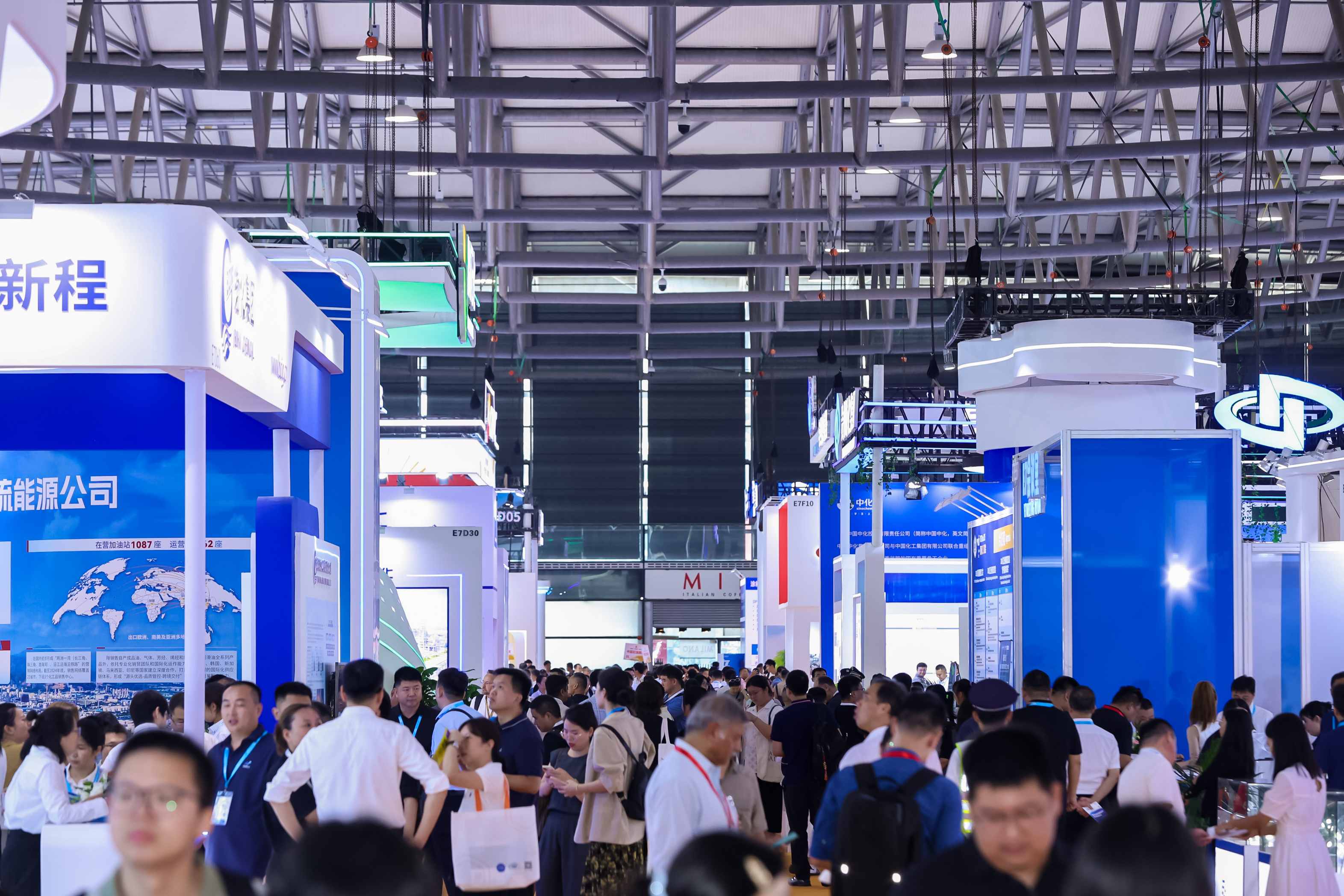
In today's rapidly evolving industrial landscape, pinpointing the right suppliers for advanced automation and IoT solutions involves a deep dive beyond basic product offerings. Instead of just scanning for manufacturers with the latest sensors or robotic arms, businesses must assess partners who demonstrate a nuanced understanding of how these technologies integrate seamlessly into existing workflows. Look for vendors that showcase real-world case studies highlighting their ability to reduce downtime through predictive maintenance or enhance operational efficiency via smart data analytics. This approach ensures that suppliers aren't merely selling equipment but are actively contributing to a smarter, more connected enterprise environment.
A standout supplier distinguishes itself through a proactive engagement model, offering tailored consultation rather than generic solutions. These top-tier partners often provide end-to-end services, from initial system design and installation to ongoing support and upgrades, ensuring that automation and IoT implementations evolve alongside business needs. They might leverage partnerships with leading tech firms to incorporate cutting-edge innovations like edge computing or AI-driven analytics, enabling clients to stay ahead of industry curves. By prioritizing suppliers with a track record of innovation and client collaboration, companies can forge lasting relationships that drive tangible outcomes, such as cost reductions and enhanced scalability.
Ultimately, identifying top suppliers hinges on a holistic evaluation that considers not just technical prowess but also reliability and future-proofing capabilities. Factors like robust cybersecurity measures, compliance with industry standards, and transparent communication channels play crucial roles in selection. Leading suppliers often demonstrate this by offering pilot programs or proof-of-concept projects, allowing businesses to test solutions in real-time scenarios before full-scale adoption. This hands-on vetting process, combined with peer reviews and performance metrics, helps ensure that chosen partners deliver sustainable value, transforming automation and IoT investments into competitive advantages in a dynamic market.
Evaluating Data Analytics Platforms to Optimize Production and Efficiency
In today's competitive manufacturing and industrial environments, selecting the right data analytics platform isn't just an IT decision—it's a strategic move to enhance operational performance. Companies face a critical choice among various tools that promise to streamline processes and boost efficiency. A well-chosen platform can transform raw data from machinery and workflows into actionable insights, helping teams identify bottlenecks and optimize resource allocation in real-time. Without a thoughtful evaluation, businesses risk investing in solutions that are either too complex for their needs or too limited to handle future growth, leaving potential productivity gains on the table.
When assessing these platforms, it's essential to look beyond basic features like dashboards and reporting. Consider how well a platform integrates with existing systems, such as IoT sensors or ERP software, to provide a holistic view of production lines. For instance, platforms that offer predictive analytics can forecast equipment failures before they happen, reducing downtime and maintenance costs. Additionally, evaluate the platform's scalability and user-friendliness, ensuring that frontline workers and managers can easily access and interpret data without extensive training. This practical approach helps avoid the common pitfall of adopting overly technical tools that fail to deliver tangible improvements in day-to-day operations.
Ultimately, a successful evaluation hinges on aligning the platform with specific business goals, such as reducing waste or increasing throughput. Tailor the selection process by running pilot tests in real-world scenarios to gauge performance under actual production conditions. By focusing on platforms that offer clear, measurable outcomes—like faster decision-making or lower energy consumption—organizations can secure a competitive edge. This careful scrutiny not only optimizes immediate efficiency but also builds a robust foundation for adapting to emerging technologies and market shifts, ensuring long-term sustainability and growth.
Navigating Cybersecurity Challenges in Digitalized Chemical Environments
The chemical industry's rapid digital transformation has introduced a new set of cybersecurity vulnerabilities that go beyond traditional physical safety concerns. As plants integrate Internet of Things (IoT) devices, cloud-based data analytics, and automated control systems, they become prime targets for cyberattacks that could disrupt production, cause environmental harm, or compromise sensitive intellectual property. Managing these risks requires a shift in mindset, prioritizing digital security alongside operational safety to prevent incidents like ransomware attacks on critical infrastructure.
Unlike many sectors, chemical facilities face unique challenges due to their reliance on legacy equipment that wasn't designed with connectivity in mind. Retrofitting these systems for cybersecurity can be complex and costly, often leading to gaps in protection. Moreover, the interconnected nature of modern supply chains means a breach at one point can cascade, affecting multiple partners and regulatory compliance. Proactive measures, such as segregating networks and implementing real-time threat detection tailored to industrial protocols, are essential for mitigating these specific threats.
Success in this landscape hinges on fostering a culture of collaboration between IT and operational technology teams, who must jointly develop incident response plans that account for both digital and physical impacts. Regular training and simulated attack scenarios can help staff recognize phishing attempts or suspicious activity, reducing human error—a common weak link. By adopting a holistic approach that blends advanced technology with workforce awareness, companies can not only defend against current threats but also adapt to emerging ones, ensuring resilience in an increasingly targeted environment.
Spotlighting Sustainable Innovations Through Green Technology Integrations
Green technology integrations are transforming industries by embedding sustainability directly into their core operations, spotlighting innovations that go beyond mere compliance to actively reduce environmental footprints. These advancements are not just about adopting eco-friendly practices but rather designing systems—like smart grids in energy sectors or circular economy models in manufacturing—that inherently prioritize resource efficiency and waste minimization. For instance, integrating AI-driven analytics with renewable energy sources allows for real-time optimization, drastically cutting carbon emissions while boosting economic viability. Such holistic approaches demonstrate how green tech can serve as a catalyst for both ecological health and business resilience, moving beyond isolated solutions to create interconnected, scalable impacts.
In sectors like agriculture and construction, sustainable innovations shine through the seamless fusion of traditional methods with cutting-edge green technologies. Precision farming tools, which combine IoT sensors and data analytics, enable farmers to monitor soil health and water usage with unprecedented accuracy, reducing chemical inputs and enhancing crop yields sustainably. Similarly, in building design, the integration of materials like carbon-absorbing concrete or solar-integrated facades transforms structures from passive consumers into active contributors to environmental regeneration. These examples highlight how green technology isn't just an add-on but a transformative force, driving industries toward a future where efficiency and sustainability are inherently linked, rather than competing priorities.
The spotlight on sustainable innovations extends to consumer-facing domains as well, where green technology integrations foster transparency and engagement. From blockchain-enabled supply chains that track product origins to ensure ethical sourcing, to apps that help users optimize their energy consumption at home, these tools empower individuals to make informed, eco-conscious choices. By weaving sustainability into everyday experiences, these innovations cultivate a culture of responsibility, proving that green tech can bridge the gap between technical potential and practical implementation. This evolution underscores a broader shift—where innovation isn't just about what technology can do, but how it can inspire collective action toward a more sustainable world.
Leveraging AI and Machine Learning for Predictive Maintenance and Quality Control
In modern industrial operations, AI and machine learning are revolutionizing predictive maintenance by analyzing sensor data in real time to forecast equipment failures before they occur. By identifying subtle patterns and anomalies, these technologies enable proactive interventions, reducing costly downtime and extending machinery lifespan. This shift from reactive to predictive approaches is transforming maintenance schedules and optimizing resource allocation.
For quality control, AI-driven systems enhance inspection processes by detecting defects with unprecedented accuracy. Machine learning algorithms learn from historical data to recognize variations in products, ensuring consistency and minimizing human error. This leads to higher standards, reduced waste, and improved customer satisfaction across manufacturing sectors.
Integrating these tools allows for seamless data flow between maintenance and quality teams, fostering a holistic view of production health. As industries adopt these innovations, they gain a competitive edge through smarter, data-informed decision-making that drives efficiency and reliability.
FAQ
It enhances operational efficiency, reduces costs through predictive maintenance, improves safety with real-time monitoring, and enables better regulatory compliance and innovation in product development.
Specialized technology providers, industry-specific conferences, and online platforms like ChemTech Market offer tailored solutions, with options ranging from cloud-based software to IoT sensors.
They integrate AI and machine learning to optimize production, automate quality control, and simulate processes for waste reduction, leading to more sustainable and agile operations.
Prioritize vendors with industry expertise, scalable offerings, robust security features, and proven case studies to ensure compatibility with existing systems and long-term value.
Yes, for instance, BASF uses digital twins to model production, while Dow Chemical employs data analytics to enhance supply chain resilience and reduce downtime.
Through subscription-based models, collaborative partnerships, and government grants, they can adopt modular solutions that grow with their needs without large upfront investments.
Conclusion
The digitalization of the chemical industry is fundamentally reshaping manufacturing processes, driven by trends such as advanced automation and IoT solutions. This transformation empowers companies to optimize production efficiency through data analytics platforms, while also addressing critical cybersecurity challenges inherent in digital environments. By integrating innovative technologies, firms can not only enhance operational reliability but also foster sustainable practices, making it essential to identify trustworthy suppliers for these cutting-edge solutions.
Moreover, the adoption of AI and machine learning enables predictive maintenance and quality control, reducing downtime and improving product consistency. Green technology integrations spotlight sustainable innovations, aligning digital advancements with environmental goals. Navigating these diverse aspects requires a strategic approach to purchasing solutions, ensuring they meet specific industrial needs and regulatory standards, ultimately positioning businesses at the forefront of the digital revolution in the chemical sector.
Contact Us
Contact Person: Shaozhen Zhou
Email: [email protected]
Tel/WhatsApp: 0086-18612117599
Website: https://en.icif.cn/