

Digitalization in Chemical Industry Expo: Revolutionizing Efficiency and Innovation Through Modern Technologies
2026-04-18
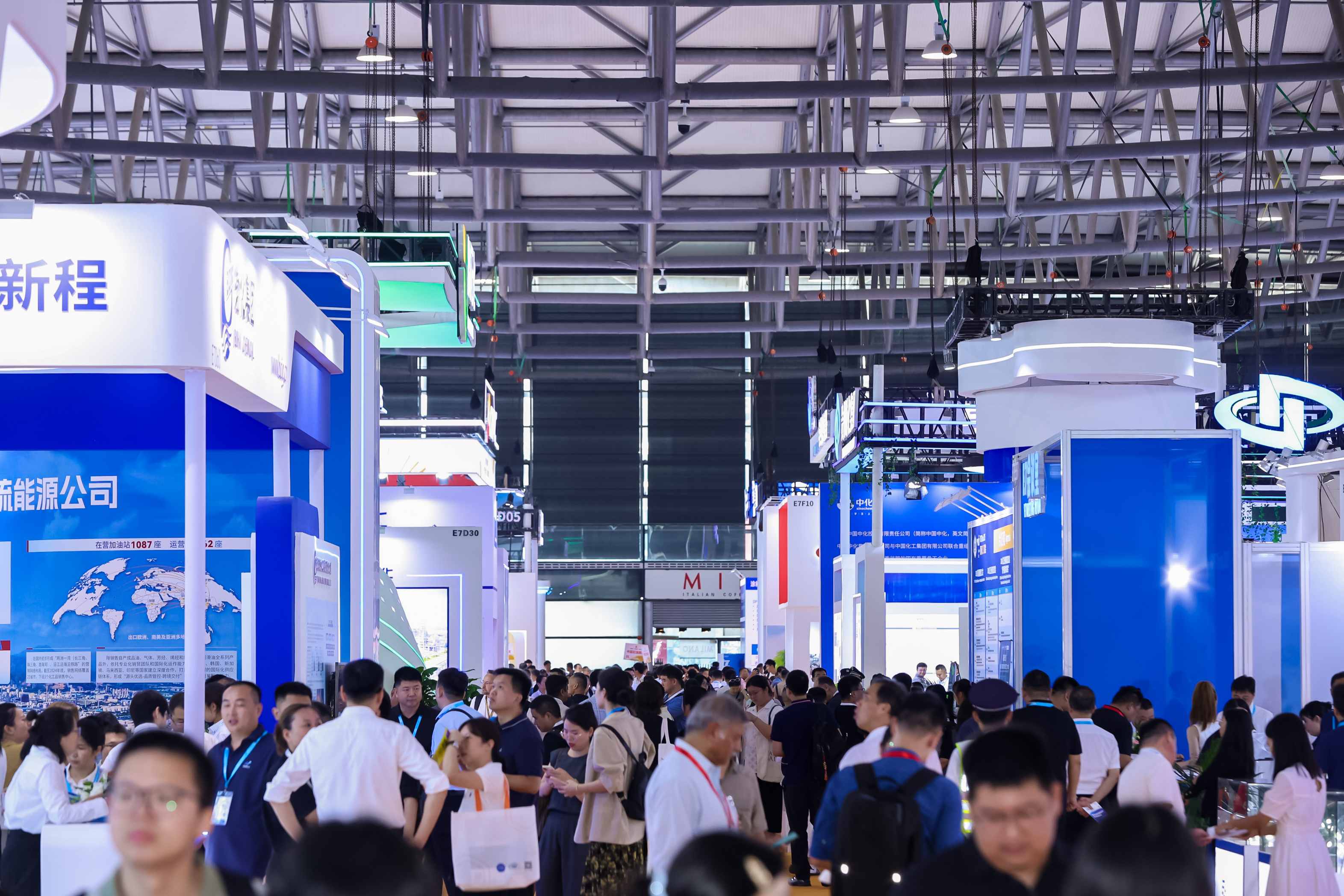
Welcome to the forefront of chemical innovation! The ICIF Digitalization in Chemical Industry Expo is not just an event—it's a catalyst for change. As technology reshapes every sector, this expo brings together pioneers to explore how digital tools are revolutionizing efficiency and driving breakthroughs in the chemical world. From AI-driven processes to smart manufacturing solutions, we’ll dive into the trends that are setting new standards and opening doors to unprecedented opportunities. Join us as we uncover the latest advancements and practical insights that can transform your operations. Are you ready to be part of this exciting journey? Let’s get started!
Harnessing AI and IoT for Smarter Chemical Manufacturing
Chemical manufacturing is undergoing a transformative shift as artificial intelligence and the Internet of Things converge to create more intelligent and responsive production systems. These technologies enable real-time monitoring of equipment, predictive maintenance, and optimized resource allocation, leading to significant reductions in downtime and energy consumption.
By integrating AI algorithms with IoT sensors, chemical plants can achieve unprecedented levels of automation and precision. This fusion allows for dynamic adjustments in reaction conditions, enhanced safety protocols through anomaly detection, and improved product quality by minimizing human error and variability in processes.
The synergy of AI and IoT not only boosts operational efficiency but also opens new avenues for innovation in chemical manufacturing. It facilitates the development of smart factories that adapt to changing demands, scale production seamlessly, and foster sustainable practices by optimizing waste management and reducing environmental impact.
Blockchain Solutions Transforming Supply Chain Transparency
Blockchain technology is revolutionizing supply chain transparency by providing an immutable and decentralized ledger that tracks every step from raw material sourcing to final delivery. This allows stakeholders to verify product authenticity, reduce fraud, and improve efficiency. For example, in the food industry, blockchain enables real-time monitoring of perishable goods, minimizing waste and enhancing safety.
By leveraging smart contracts, blockchain automates processes such as payments and compliance checks, reducing human error and speeding up transactions. This not only cuts costs but also builds trust among consumers who demand ethical sourcing and sustainability. Companies adopting these solutions often see improved brand loyalty and operational agility.
Beyond logistics, blockchain's potential extends to fostering collaboration across global networks, where disparate systems can securely share data without intermediaries. This transformation addresses challenges like counterfeiting and supply chain bottlenecks, paving the way for more resilient and transparent industry practices.
Sustainable Practices Driven by Advanced Data Analytics
Advanced data analytics is fundamentally changing how businesses approach sustainability, moving beyond simple compliance to a proactive strategy that boosts environmental and economic performance. By leveraging tools like machine learning and IoT sensors, companies can analyze vast datasets in real-time to optimize resource consumption, such as reducing energy use in manufacturing or predicting water needs in agriculture. This not only cuts costs but also significantly lowers carbon footprints, making sustainability a core driver of innovation rather than just a regulatory checkbox.
One standout example is in supply chain management, where advanced analytics pinpoints inefficiencies like excess packaging or inefficient transport routes. By crunching data from multiple sources, organizations can redesign logistics to minimize waste and emissions, often revealing hidden opportunities for circular economy practices. It's about turning raw numbers into actionable insights that foster resilience, helping businesses adapt to climate challenges while staying competitive in a market increasingly driven by eco-conscious consumers.
Moreover, this data-driven approach empowers transparency and accountability, enabling companies to track their sustainability metrics accurately and report progress with confidence. From monitoring biodiversity impacts to optimizing renewable energy integration, analytics provides a clear path to measurable goals, ensuring that sustainable practices are not just aspirational but grounded in tangible results that benefit both the planet and the bottom line.
Robotics and Automation Enhancing Operational Safety
Robotics and automation technologies are fundamentally transforming the way industries approach operational safety. In sectors like manufacturing, construction, and healthcare, these innovations enable tasks to be performed in environments that are hazardous to human workers, such as handling toxic materials or operating in extreme temperatures. This shift not only reduces the immediate risk of accidents but also fosters a proactive safety culture by consistently applying precise, error-free procedures, ultimately leading to fewer workplace incidents and enhanced long-term workplace integrity.
By integrating advanced sensors and real-time monitoring systems, robotics and automation provide an unprecedented level of situational awareness. For example, in logistics and warehouse operations, autonomous systems can navigate crowded spaces without collisions, while in mining, robotic drills can operate in unstable geological conditions. This continuous data collection allows for predictive maintenance and immediate hazard detection, creating a dynamic safety net that adapts to evolving risks, rather than relying solely on static human oversight.
Moreover, the human-centric design of modern automation emphasizes collaboration through cobots and adaptive interfaces, ensuring safety enhancements feel intuitive rather than intrusive. This synergy not only boosts operational efficiency but also elevates worker morale by reducing mundane, repetitive risks and empowering teams to focus on strategic, value-added activities, thereby making safety an integral, seamless part of everyday workflows that drives both productivity and well-being.
Digital Twins Pioneering Predictive Maintenance Strategies
The integration of digital twins is fundamentally reshaping predictive maintenance by creating dynamic, virtual replicas of physical assets. These models continuously ingest real-time data from sensors, enabling them to simulate operational conditions and predict potential breakdowns before they occur. This proactive approach not only slashes unplanned downtime but also optimizes maintenance schedules, saving significant costs that would otherwise go toward emergency repairs.
By leveraging advanced analytics and machine learning, digital twins can identify subtle patterns and anomalies that traditional systems might overlook. For instance, in manufacturing, a digital twin of a production line could forecast wear on a critical component, suggesting maintenance precisely when needed—neither too early nor too late. This precision enhances equipment longevity and improves overall operational efficiency, making it a game-changer for industries reliant on heavy machinery.
Beyond mere prediction, digital twins empower organizations to conduct 'what-if' scenarios in a risk-free virtual environment. This capability allows for testing different maintenance strategies, such as adjusting parts or workflows, to refine approaches without disrupting actual operations. As a result, companies can innovate and adapt their maintenance practices more swiftly, staying ahead of competitors and fostering a culture of continuous improvement in asset management.
Cloud Computing Facilitating Real-Time Innovation Collaboration
In today's fast-paced digital landscape, cloud computing has become a cornerstone for enabling seamless real-time innovation collaboration. By leveraging shared computing resources over the internet, organizations can break down geographical barriers and allow teams to work together on creative projects from anywhere in the world. This immediate access to data and tools fosters an environment where ideas can be rapidly prototyped and refined, accelerating the innovation cycle and reducing time-to-market for new solutions. Unlike traditional methods that relied on localized servers, the cloud's scalability ensures that collaborative efforts aren't hindered by technical limitations, making it an essential driver for modern creative processes.
One of the most compelling aspects is how cloud platforms integrate advanced features like artificial intelligence and big data analytics, which empower teams to collaborate in smarter, more dynamic ways. For instance, developers can use cloud-based environments to test algorithms in real-time, while designers simultaneously iterate on user interfaces, all without the delays of file transfers or version conflicts. This synergy not only boosts productivity but also sparks cross-disciplinary insights, leading to more innovative outcomes that might not emerge in siloed settings. By providing a unified workspace, the cloud encourages spontaneous brainstorming and iterative feedback loops, keeping innovation agile and responsive to changing market demands.
Moreover, the flexibility of cloud services allows for customized collaborative setups tailored to specific project needs, such as secure data sharing for sensitive research or open-source communities for broader ideation. This adaptability helps organizations stand out by fostering unique collaboration models that drive competitive advantage. As industries evolve, the cloud's role in real-time innovation is set to expand further, with emerging technologies like edge computing enhancing its capabilities. Ultimately, by democratizing access to powerful tools and fostering continuous interaction, cloud computing isn't just supporting collaboration—it's actively shaping the future of how we innovate together.
FAQ
The shift towards digitalization is primarily fueled by the need for enhanced operational efficiency, sustainability goals, and competitive pressures. Advances in technologies like AI and IoT enable real-time data analysis and predictive maintenance, helping companies reduce costs and innovate faster.
Modern technologies, such as IoT sensors and AI-driven monitoring systems, allow for continuous surveillance of equipment and environmental conditions. This enables early detection of potential hazards, automated emergency responses, and better compliance with safety regulations, significantly reducing accident risks.
Data analytics transforms raw operational data into actionable insights, facilitating process optimization, yield improvement, and waste reduction. By analyzing trends and patterns, companies can make informed decisions that boost productivity and resource efficiency.
Digitalization supports sustainability by enabling precise resource management, energy consumption tracking, and emission monitoring. Technologies like digital twins and smart sensors help minimize environmental impact and align with global green initiatives.
Companies are implementing robust cybersecurity frameworks, including encryption, multi-factor authentication, and continuous threat monitoring. Regular employee training and partnerships with tech experts ensure secure integration of digital systems to protect sensitive data.
Digital transformation could lead to new offerings like personalized chemical formulations, subscription-based supply chain solutions, and AI-powered consultancy services. These innovations enhance customer value and open up new revenue streams.
Digitalization necessitates upskilling employees in areas like data science, automation management, and digital tool usage. Companies are investing in training programs and hiring tech-savvy talent to bridge the skill gap and foster a culture of continuous learning.
Key barriers include high initial costs, legacy system integration issues, and resistance to change. Overcoming these involves phased implementation, pilot projects to demonstrate ROI, and clear communication of benefits to stakeholders.
Conclusion
The Digitalization in Chemical Industry Expo showcased how modern technologies are fundamentally transforming chemical operations by integrating AI and IoT to create smarter manufacturing ecosystems. These systems optimize processes in real-time, predicting equipment failures and adjusting parameters for maximum efficiency. Simultaneously, blockchain solutions are revolutionizing supply chain transparency, providing immutable records that ensure traceability from raw materials to final products. This enhances trust among stakeholders and streamlines logistics. Robotics and automation further bolster this progress by taking over hazardous tasks, significantly improving operational safety while maintaining precision in complex chemical environments.
Advanced data analytics drives sustainable practices, enabling companies to minimize waste and reduce environmental impact through detailed insights into resource usage. Digital twins are pioneering predictive maintenance strategies, allowing for virtual simulations that prevent costly downtimes by anticipating issues before they occur. Cloud computing facilitates real-time innovation collaboration, connecting global teams to share data and develop solutions faster. Together, these technologies not only boost efficiency but also foster continuous innovation, positioning the chemical industry for a more agile and responsible future.
Contact Us
Contact Person: Shaozhen Zhou
Email: [email protected]
Tel/WhatsApp: 0086-18612117599
Website: https://en.icif.cn/