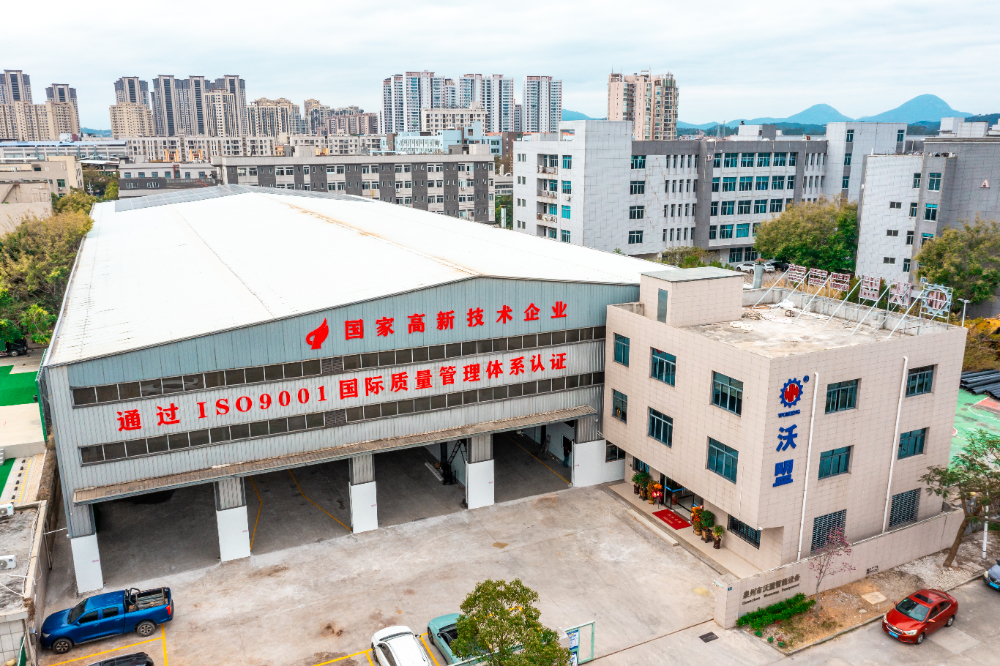

High Efficiency Diaper Machine: Revolutionizing Baby Pull-Up Production
2026-04-06
In the world of baby care products, innovation never sleeps. Now, imagine a revolution that transforms the way pull-up diapers are manufactured, bringing unprecedented efficiency and quality to the production line. Enter the high efficiency diaper machine – a game-changer for the industry. This technology promises to streamline processes, reduce waste, and deliver superior products for families everywhere. At Womeng, we're at the forefront of this transformation, integrating cutting-edge solutions to meet the growing demands of modern parenting. Dive in as we explore how this revolutionary machine is reshaping baby pull-up production and why it's a must-know for industry insiders and parents alike.
How Modern Diaper Machines Enhance Comfort for Babies
Modern diaper manufacturing has evolved beyond mere functionality, incorporating advanced technology to prioritize babies' comfort in ways that were once unimaginable. Today's diaper machines utilize high-precision sensors and automated systems to produce diapers with ultra-soft, breathable materials that conform gently to a baby's skin. This reduces irritation and chafing, allowing for longer wear without discomfort. The focus on creating a seamless, flexible fit means diapers move naturally with infants, whether they're crawling, sleeping, or playing.
Beyond material innovation, modern machines apply smart design principles to enhance comfort through better moisture management. They engineer diapers with multiple layers that efficiently wick away wetness, keeping babies drier for extended periods. Advanced absorbent cores, made from sustainable and non-toxic fibers, lock in moisture to prevent leaks and maintain a consistent, cozy feel. This attention to detail not only prevents rashes but also supports uninterrupted rest and activity, which are crucial for overall well-being in early development.
The integration of real-time quality control in these machines ensures each diaper meets rigorous comfort standards, minimizing variations that could affect performance. By combining ergonomic shaping with hypoallergenic components, modern diaper production creates a nurturing environment that adapts to every baby's unique needs, making today's diapers more than just a necessity—they're a comfort innovation that enhances daily life.
Innovative Features That Boost Production Speed
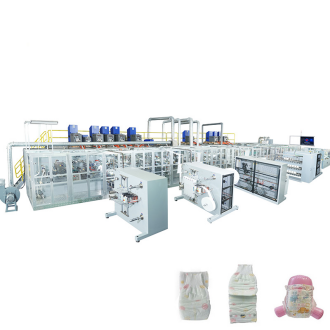
One standout feature is dynamic workflow automation, which uses smart algorithms to streamline routine tasks without human intervention. This not only reduces manual errors but also allows teams to focus on creative problem-solving, significantly cutting down project timelines.
Another game-changer is real-time collaboration tools that integrate seamlessly across platforms, enabling instant feedback and simultaneous editing. This eliminates the delays often seen in traditional back-and-forth communication, keeping projects moving at a brisk pace from concept to completion.
Finally, predictive analytics powered by machine learning anticipates bottlenecks before they occur by analyzing historical data and current trends. This proactive approach helps teams adjust resources on the fly, ensuring that production stays ahead of schedule rather than playing catch-up.
Environmental Benefits of Advanced Pull-Up Technology
Advanced pull-up technology offers significant environmental advantages by enhancing energy efficiency in various applications. By optimizing the mechanical processes involved in lifting or pulling operations, these systems reduce power consumption compared to traditional methods. This not only lowers operational costs but also decreases carbon emissions, contributing to a cleaner atmosphere and supporting global efforts to combat climate change through smarter, more sustainable engineering solutions.
In addition to energy savings, this technology often incorporates sustainable materials and designs that minimize waste and resource depletion. For instance, some advanced pull-up systems are built from recycled or recyclable components, reducing landfill burden and promoting circular economy principles. This approach not only lessens environmental impact during manufacturing but also extends the product lifecycle, making it a practical choice for industries aiming to meet eco-friendly standards without compromising performance.
Furthermore, the adaptability of advanced pull-up technology allows it to be integrated into renewable energy projects, such as wind turbine maintenance or solar panel installations, where efficient lifting mechanisms are crucial. By streamlining these processes, it supports the expansion of green infrastructure, indirectly boosting environmental benefits. Real-world applications showcase how this innovation aligns with broader sustainability goals, making it a key player in advancing ecological responsibility across sectors.
Customization Options for Diverse Diaper Brands
When it comes to diapers, one size definitely doesn't fit all – and that's where customization truly shines. Brands are increasingly offering tailored solutions, such as adjustable absorbency levels for different times of day or specific needs like overnight protection. For instance, parents can choose eco-friendly materials with biodegradable cores or opt for hypoallergenic liners to suit sensitive skin, ensuring comfort without compromise. This flexibility allows caregivers to pick the right diaper for every situation, from active playtime to long naps, making daily routines smoother and more efficient.
Beyond just materials and fit, customization extends to design and personalization options that resonate with diverse preferences. Some brands let you select fun patterns or colors that appeal to both kids and parents, turning a mundane necessity into a stylish accessory. Others integrate smart features like wetness indicators that change color or connect to apps for reminders, adding a layer of convenience for busy families. By embracing these varied choices, diaper brands cater to unique lifestyles, whether you're focused on sustainability, tech-savvy innovations, or simply want something that feels special and engaging for your little one.
What sets top diaper brands apart is their ability to adapt to evolving needs through community feedback and ongoing improvements. Many companies now offer subscription services where you can customize deliveries based on growth stages or preferences, ensuring you never run out of the perfect fit. This dynamic approach not only enhances user satisfaction but also builds loyalty by showing that brands listen and respond to real-world experiences. In a crowded market, such attention to detail helps families find diapers that truly align with their values and daily challenges, making diaper changes less of a chore and more of a tailored solution.
Reducing Waste with Precision Manufacturing Techniques
Imagine a production line where every cut, bend, and assembly is guided by exact digital models, eliminating guesswork and minimizing unnecessary material use. Precision manufacturing techniques harness advanced technologies like computer-aided design (CAD), robotics, and additive manufacturing to create products with remarkable accuracy. This approach not only streamlines operations but also significantly cuts down on scrap and rework, making each manufacturing step more efficient and less wasteful.
By integrating real-time monitoring systems, these techniques allow for immediate adjustments during production, preventing defects before they escalate into larger issues. Sensors and data analytics track material flows, identifying bottlenecks where waste accumulates and enabling proactive interventions. This level of control turns traditional manufacturing from a linear, often wasteful process into a dynamic, responsive system that conserves resources while maintaining high quality standards.
Moreover, precision methods foster circular economy principles by designing products for durability, recyclability, and easier disassembly. With less overproduction and optimized inventory management, companies can reduce excess stock that might otherwise end up as waste. Ultimately, adopting these techniques doesn't just trim costs; it builds a sustainable foundation where waste reduction becomes an integral part of innovation and long-term competitiveness in the industry.
Real-World Impact on Parental Convenience and Safety
In today's fast-paced world, parents often juggle demanding schedules, making convenience a top priority. One practical example is the use of smart home devices that allow parents to monitor their children remotely, whether they're checking in on a sleeping baby via a video monitor or adjusting the thermostat from a mobile app. These tools streamline daily tasks, reducing stress and freeing up time for family interactions. For instance, a parent can quickly turn off lights or lock doors without interrupting their work, showing how technology seamlessly integrates into parenting routines to enhance comfort and efficiency.
Safety, a paramount concern for any caregiver, has seen significant improvements through innovative solutions. Wearable GPS trackers for kids, for example, provide peace of mind by letting parents know their child's location in real-time. This isn't just about preventing emergencies; it's about fostering a sense of security that allows children more freedom to explore their surroundings. Similarly, car seats with built-in alerts for improper installation or forgotten passengers directly address common pitfalls, highlighting how specific products are designed to mitigate risks and protect young ones in everyday scenarios.
Beyond individual gadgets, the broader impact lies in how these advancements shape parenting culture. As more families adopt tools like app-controlled strollers or smart baby monitors, we're seeing a shift toward proactive safety measures rather than reactive ones. This cultural evolution encourages parents to make informed choices, such as opting for products with rigorous safety certifications or sharing real-world tips in online communities. Ultimately, it's not just about convenience or safety in isolation, but how they intertwine to create a more supportive environment—one where parents feel empowered to balance their responsibilities with confidence and care.
FAQ
It's designed with advanced automation and reduced waste, cutting production time and costs while enhancing comfort through precise material handling.
By incorporating recyclable materials and energy-efficient processes, it lowers environmental impact and promotes eco-friendly practices in the industry.
Features include real-time quality monitoring, customizable sizing options, and a compact design that allows for easier integration into existing production lines.
Yes, it's built for scalability with high-speed operation and consistent output, ensuring durable and reliable pull-ups even at large scales.
With flexible programming, it can quickly switch between various sizes and patterns, supporting diverse product ranges without extensive downtime.
Users benefit from remote diagnostics, preventative maintenance alerts, and dedicated technical support to minimize interruptions and extend machine lifespan.
Conclusion
The introduction of high efficiency diaper machines has truly transformed baby pull-up production, addressing both comfort and productivity in remarkable ways. Modern diaper machines significantly enhance comfort for babies through innovative materials and designs that ensure softness and breathability, while also incorporating customization options that allow diverse diaper brands to meet specific needs. These machines boost production speed with advanced features like automated systems and real-time monitoring, making it possible to produce large quantities without compromising quality.
Beyond efficiency, these advancements offer substantial environmental benefits by reducing waste through precision manufacturing techniques that minimize material usage and energy consumption. This not only lowers costs but also supports sustainability efforts in the industry. Moreover, the real-world impact on parental convenience and safety is profound, as reliable and fast production ensures consistent availability of safe, high-quality products. Overall, high efficiency diaper machines are redefining baby care by combining comfort, speed, eco-friendliness, and brand flexibility into a seamless production process, setting new standards for the future.
Contact Us
Contact Person: Jessie Lai
Email: [email protected]
Tel/WhatsApp: 86-188594442931
Website: https://www.wm-machinery.com