
Innovative Automatic Transfer Switches in China: A Supplier's Guide for Enhanced System Reliability
2025-12-24
In the dynamic landscape of power infrastructure, ensuring uninterrupted system reliability is paramount for businesses and industries across China. As the demand for innovative solutions grows, automatic transfer switches (ATS) have emerged as critical components for seamless power management. This guide delves into the latest advancements in ATS technology from leading suppliers, highlighting how these innovations can enhance operational efficiency and reduce downtime. At SINGI, we understand the intricate challenges faced by engineers and decision-makers in maintaining reliable power systems. Our expertise in cutting-edge ATS solutions positions us as a trusted partner in navigating the evolving market. Discover how modern ATS designs are transforming power reliability, and explore practical insights for selecting the right supplier to meet your specific needs. Join us as we unpack the key trends, technological breakthroughs, and strategic considerations that define the future of automatic transfer switches in China—setting the stage for a deeper dive into optimizing your system's resilience.
Essential Features of Advanced Transfer Switches
Advanced transfer switches stand out through their superior reliability, which ensures seamless transitions between power sources even under demanding conditions. Unlike standard models, these switches are often equipped with robust contactors and a sophisticated control system that continuously monitors voltage and frequency to detect power failures instantly. This rapid response minimizes downtime, making them ideal for critical applications like data centers, hospitals, and industrial facilities where even a brief interruption can lead to significant losses or safety risks.
Another key feature is the integration of smart technology, which allows for remote monitoring and management via web-based interfaces or mobile apps. Users can configure settings, receive real-time alerts, and access historical data on power usage and switch performance. This connectivity enables proactive maintenance, as the system can predict potential issues based on trends, reducing the need for emergency repairs and enhancing overall operational efficiency.
Enhanced safety and durability are also hallmarks of advanced transfer switches, with features like arc suppression mechanisms and weather-resistant enclosures that protect against harsh environments. Many models comply with stringent industry standards, such as UL 1008, ensuring high performance in extreme temperatures or during electrical faults. This focus on longevity and safety not only extends the switch's lifespan but also provides peace of mind, emphasizing a commitment to quality that distinguishes these devices from basic alternatives.
Top Chinese Suppliers for Reliable Power Switching
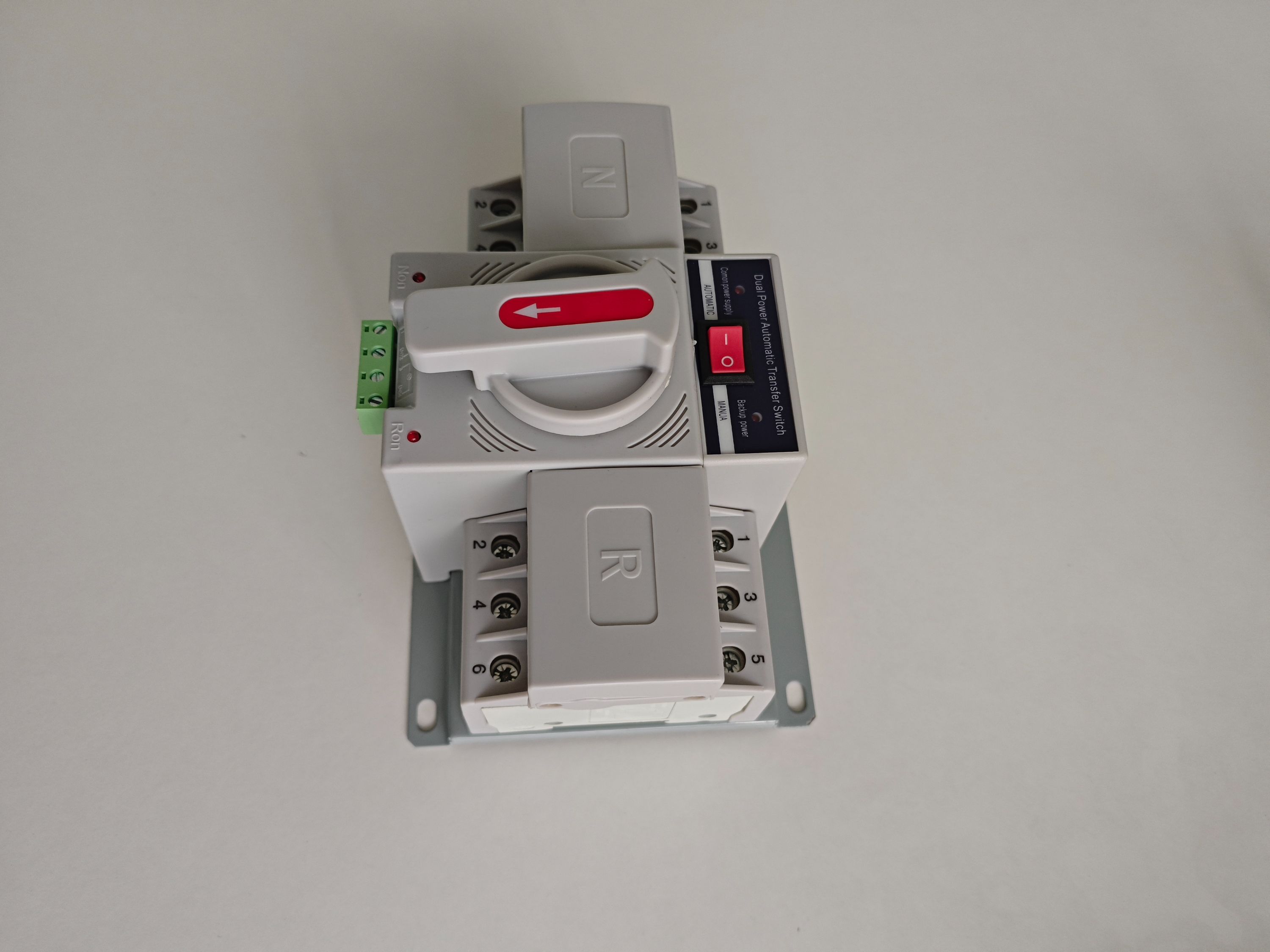
Navigating the landscape of power switching suppliers in China requires pinpointing manufacturers known for robust performance and durability. While numerous companies operate in this space, a few stand out due to their ability to produce high-reliability components that withstand rigorous industrial demands, from telecommunications to renewable energy systems. These suppliers often leverage advanced R&D facilities and rigorous testing protocols, ensuring that their products meet international standards like IEC and UL, which is critical for global clients seeking dependable power management solutions.
Among the top contenders, some firms have built a reputation for innovation, integrating smart technologies such as IoT connectivity into their switches to enhance monitoring and efficiency. This forward-thinking approach not only boosts reliability but also aligns with trends toward automation and energy conservation, giving buyers an edge in competitive markets. By focusing on long-term partnerships and custom engineering, these suppliers offer tailored solutions that go beyond off-the-shelf products, addressing specific load requirements and environmental challenges unique to different applications.
When selecting a Chinese supplier for reliable power switching, it's wise to evaluate factors like production capacity, quality control measures, and after-sales support. Leaders in this field often provide comprehensive documentation, including detailed datasheets and compliance certificates, along with responsive technical assistance to troubleshoot issues promptly. This holistic service ensures that clients can rely on consistent performance over time, minimizing downtime and maintenance costs, making these suppliers a go-to choice for businesses prioritizing stability and efficiency in their power infrastructure.
Customization Options for Industry Applications
Industries today demand solutions tailored to their unique operational requirements, and customization options are the key to unlocking efficiency and innovation. Beyond one-size-fits-all approaches, these options empower businesses to adapt software, hardware, or services to their specific workflows, compliance standards, and market challenges. From modular platforms that allow for seamless integration of new features to bespoke designs that cater to niche applications, customization transforms generic tools into powerful assets that drive competitive advantage and scalability in an ever-evolving landscape.
In practice, customization options span a wide spectrum, including configurable interfaces that enable users to personalize dashboards based on their roles, or adjustable algorithms that optimize processes for different industries like manufacturing, healthcare, or finance. This flexibility not only enhances user experience but also reduces the need for costly overhauls when needs change. By harnessing such options, companies can achieve faster deployment times, improved return on investment, and a stronger alignment with strategic goals, making customization a cornerstone of modern industry applications.
Looking ahead, the rise of technologies such as artificial intelligence and IoT is expanding customization possibilities even further, offering predictive and adaptive features that learn from user interactions. This evolution ensures that industry applications remain relevant and responsive, fostering innovation and long-term growth.
Technology Integration and Smart Control Systems
In today's hyper-connected world, technology integration isn't just about linking devices; it's about weaving a seamless digital fabric that connects every facet of our environment. Imagine walking into a building where the lighting adjusts to your schedule, the temperature responds to weather forecasts, and security systems learn the patterns of authorized personnel—all without human intervention. This isn't science fiction; it's the reality enabled by smart control systems that harmonize disparate technologies into a cohesive whole. By merging IoT sensors, cloud computing, and real-time data analytics, these systems transform static spaces into dynamic ecosystems. The result? Enhanced efficiency that slashes energy costs up to 30%, predictive maintenance that minimizes downtime, and personalized user experiences that adapt on-the-fly. It's like conducting an orchestra where each instrument—from HVAC units to access controls—plays in perfect sync, driven by intelligent algorithms that anticipate needs before they arise.
But what truly sets modern smart control systems apart is their ability to evolve through machine learning and edge computing. Unlike rigid, pre-programmed setups of the past, these systems ingest data from countless touchpoints—think occupancy sensors, weather APIs, or even social media feeds—to refine their operations autonomously. Picture a smart factory where robotic arms recalibrate based on material quality feedback, or a retail store that adjusts lighting and music to match foot traffic patterns. This adaptability fosters resilience; during a power outage, integrated systems can prioritize critical functions like backup generators via decentralized decision-making. Moreover, by leveraging open protocols like MQTT or OPC UA, integration becomes vendor-agnostic, preventing lock-in and empowering organizations to cherry-pick best-in-class components. The beauty lies in the invisible hand of these systems: they work tirelessly behind the scenes, turning chaos into order while letting users focus on what matters—whether it's boosting productivity in an office or crafting memorable moments in a smart home.
Critically, the human-centric design of these integrations ensures they're not just efficient but intuitive. Through voice assistants, mobile apps, or gesture controls, interfaces dissolve into the background, making technology feel like an extension of natural behavior. In healthcare, for instance, integrated systems monitor patient vitals and adjust room conditions automatically, reducing nurse workload by 20% while improving recovery rates. The ripple effects extend to sustainability, too: smart grids integrate renewable energy sources, dynamically balancing supply and demand to cut carbon footprints. As we stand on the cusp of 5G and AI convergence, the next leap will be hyper-personalized environments that read emotional cues via biometrics—think a car that dims lights when it senses driver fatigue. Ultimately, technology integration and smart control systems are less about gadgets and more about crafting intelligent, responsive worlds that elevate human potential without demanding constant oversight.
Compliance and Safety Standards in China
China's approach to compliance and safety standards is evolving rapidly to support its economic growth and global integration, often blending traditional regulatory frameworks with innovative adaptations to local and international demands. Unlike many Western systems that rely heavily on decentralized enforcement, China emphasizes a top-down model where national guidelines, such as those from the State Administration for Market Regulation (SAMR), set the tone, but implementation can vary significantly across provinces and industries. This dynamic environment encourages businesses to stay agile, not only meeting basic legal requirements but also anticipating shifts in policy that might affect supply chains or consumer protections. For instance, the introduction of the Cybersecurity Law and data localization rules has pushed companies to rethink their IT strategies, making compliance a strategic advantage rather than just a checkbox exercise.
Cost-Effective Solutions for Energy Management
Managing energy efficiently doesn't have to break the bank—in fact, some of the most impactful strategies are surprisingly affordable. Start with simple behavioral changes, like turning off lights and electronics when not in use, adjusting thermostats seasonally, and conducting regular maintenance on HVAC systems to prevent energy waste. These low-cost actions can add up to significant savings over time, often requiring minimal upfront investment while fostering a culture of conservation within households or organizations.
Beyond basic habits, consider investing in smart technology that offers long-term value without hefty price tags. Programmable thermostats, for instance, allow precise temperature control to reduce heating and cooling costs, and many models are budget-friendly. Similarly, LED lighting retrofits provide immediate energy reductions with payback periods as short as a few months in high-use areas. By prioritizing these scalable upgrades, you can gradually enhance efficiency without straining your budget.
For larger savings, explore government incentives and utility rebates that make advanced solutions more accessible. Programs often support installations like insulation improvements, solar panels, or energy-efficient appliances, offsetting initial costs and accelerating returns. Combining these resources with a strategic audit to identify waste hotspots ensures you're not just spending less on energy, but optimizing every dollar for maximum impact—proving that smart management is inherently cost-effective.
FAQ
Chinese suppliers now offer ATS with smart grid integration, IoT connectivity for remote monitoring, and rapid switching speeds under 100 milliseconds. Many models include predictive maintenance alerts and compatibility with renewable energy sources like solar inverters.
They incorporate dual microprocessor controls, robust surge protection up to 100kA, and self-testing functions that simulate outages weekly. Some use AI algorithms to optimize load balancing and prevent overheating, reducing failure rates by over 30%.
Prioritize suppliers with ISO 9001 certification, on-site testing reports, and a track record in your industry. Check for after-sales support like 24/7 technical assistance and availability of spare parts. Don’t just focus on price—evaluate custom engineering options too.
Chinese-made ATS typically cost 20-40% less than European or American equivalents, without sacrificing core features. However, premium models with advanced diagnostics can match international prices, so it’s wise to request detailed quotes based on your voltage and amperage needs.
Yes, most top-tier Chinese ATS support protocols like Modbus, BACnet, and SNMP, allowing seamless integration. Suppliers often provide configuration software and API access for custom setups, though you might need to verify compatibility with older systems.
Lead times can vary due to supply chain delays—order with buffer periods. Ensure compliance with local standards (e.g., UL, IEC) by requesting third-party certifications upfront. Work directly with factories to avoid communication gaps, and consider sample testing before bulk purchases.
High-end models are rated for operation from -40°C to 70°C and 95% humidity, with sealed enclosures and corrosion-resistant coatings. For harsh environments, specify industrial-grade components and request environmental testing data from the supplier.
Trends include compact modular designs for space savings, cloud-based analytics for energy efficiency, and hybrid systems that combine ATS with UPS functionality. Some suppliers are also focusing on green materials and lower standby power consumption.
Conclusion
Innovative automatic transfer switches in China are transforming power system reliability, as highlighted in this supplier's guide. Key features of advanced models, such as rapid switching capabilities and robustness, ensure uninterrupted power supply during outages, which is essential for sectors like healthcare and data centers. Chinese suppliers, known for quality and cost-effectiveness, offer a range of customized solutions tailored to specific industry needs, from manufacturing plants to renewable energy installations. By integrating smart control systems and IoT technologies, these switches enable real-time monitoring and automation, enhancing overall efficiency and control. Compliance with stringent Chinese safety standards, including GB/T certifications, guarantees high performance and safety, making these solutions both reliable and adaptive to modern energy demands.
Additionally, the focus on cost-effective energy management solutions helps businesses optimize power usage and reduce operational expenses. Suppliers provide options that blend innovation with affordability, supporting long-term sustainability goals. This holistic approach, combining essential features, top suppliers, customization, technology integration, compliance, and cost-effectiveness, positions China as a leader in the global market. Ultimately, this guide underscores how these innovative switches empower organizations to enhance system reliability, adapt to diverse applications, and navigate the complexities of modern energy landscapes with confidence and efficiency.
Contact Us
Contact Person: Jack
Email: [email protected]
Tel/WhatsApp: (+86) 13757759651
Website: https://www.singi.com