

Low Voltage Switchgear Manufacturer Selection Criteria for Reliable Power Distribution
2026-11-04
A low voltage switchgear’s performance is often judged only after something goes wrong. That’s a costly way to learn that not all manufacturers apply the same rigor. When your power distribution has to stay dependable—through load swings, faults, or harsh conditions—the criteria you use to select a switchgear partner matter more than the spec sheet alone. In this post, we’ll walk through the practical selection factors that separate reliable systems from risky shortcuts. Along the way, you’ll see how Deepwill approaches these challenges, and why the right choice starts long before the switch is flipped.
Engineering depth that goes past the datasheet
A datasheet gives you a starting point. We'd rather give you the test bench. For every part we ship, the engineering team logs bench measurements that go well beyond the usual tables—corner-case stability, transient behavior with real parasitics, and thermal limits measured on boards that resemble yours, not a perfectly laid-out eval kit.
Sometimes that means documenting what happens when you feed the input with 200mV of ripple while the load steps from zero to full in 2µs. Other times it means publishing the spread of quiescent current across 500 units, so your power budget doesn't rely on a single golden sample. None of this is hidden in a footnote; it's embedded in our application notes and available as raw data if you ask.
If a parameter matters enough to influence your design margin, we've probably already measured it under ugly, real-world conditions. That's the difference between reading about a component and actually knowing how it behaves.
Certifications that hold up under real loads
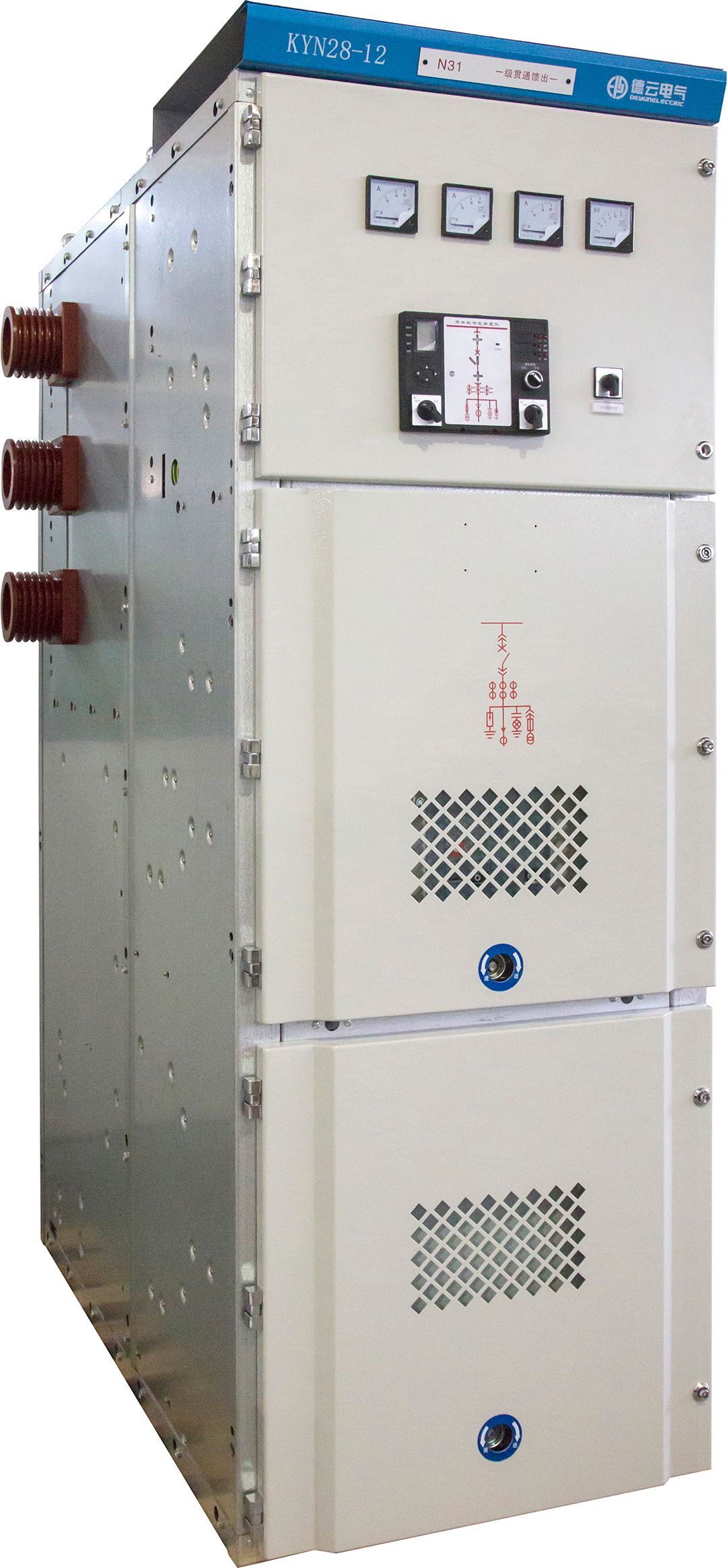
A certification only matters if it can stand behind the weight, pressure, and punishment of daily use. Too many badges look impressive in a brochure but fade the first time equipment meets a genuine load. We've seen that gap up close, which is why we pay attention to the testing methods, not just the logo. Real certifications come from independent labs that pull, drop, torque, and cycle products until something gives—and then document exactly how and when it did.
When a stamp survives that process, it tells you something useful: the product did not just pass on paper. It held alignment under stress, kept its structural integrity after repeated strain, and failed only beyond the rated limits. That kind of proof shows up in the field, not in a marketing deck. It's the difference between a certificate that decorates a wall and one that works as hard as the hardware it covers.
Custom builds without cutting corners on compliance
When a client asks for a custom build, the real work often happens behind the scenes. Every design choice, every third-party library, every data flow has to hold up under scrutiny. We treat compliance as part of the architecture, not an afterthought—so the final product moves fast without leaving a trail of regulatory debt.
That means documenting decisions as we go, running security checks during development rather than after, and pushing back when a quick fix would create a liability down the road. The result is software that feels tailored to the business and still passes audits without a scramble.
Testing routines worth asking about
A solid testing routine rarely announces itself—it shows up in how quickly a team catches regressions and how calmly they ship on a Friday. When you start poking around a new codebase, ask if there’s a standing practice for smoke tests after every deploy. Not the ceremonial kind that just checks the homepage loads, but a short, curated sequence that exercises the most brittle parts of the system: payment callbacks, third-party auth, the sync job that everyone fears touching.
Equally revealing is the team’s attitude toward flaky tests. Do they quarantine and fix them, or quietly re-run until green? A routine worth asking about treats flakiness as a bug in the test harness, not an acceptable cost of doing business. Also worth digging into: how often property-based or fuzz tests run against core utilities, and whether anyone reviews test diffs with the same seriousness as production code. Those small habits separate teams that merely write tests from teams whose suites actively prevent midnight pages.
The support story after the sale
Six months after I bought the espresso machine, the pressure gauge started flickering. I braced myself for a long phone tree, but the person who answered actually listened, asked what I'd already tried, and then suggested a fix that worked in under two minutes.
When a more stubborn issue showed up a few weeks later, they didn't just send a generic troubleshooting email. A technician called me back on a Saturday, walked me through opening the housing, and the next morning a replacement valve arrived in a padded envelope with a handwritten note.
What sticks with me isn't that the machine broke, but that I never had to repeat my story. Every conversation picked up where the last one left off. Even now, a year later, I get an occasional email asking how the machine is running—and it doesn't feel like marketing, just someone who remembers my kitchen counter.
Proven performance in your kind of facility
Numbers from facilities that look like yours tell a clearer story than any spec sheet. Chillers hold setpoint through swing shifts, air handlers keep humidity flat during peak load, and energy use per square foot drops without a controls overhaul. That track record isn't theoretical—it comes from walking the same floors, tracing the same duct runs, and solving the same bottlenecks your team deals with every week.
The proof shows up in the details operators care about. Fewer nuisance alarms, balanced zones that stay balanced after seasonal changeover, and service calls that close on the first visit instead of the third. When equipment runs quietly in a facility with your layout, your occupancy patterns, and your maintenance schedule, it stops being a product claim and starts being a daily reality.
That's why references from similar sites matter more than logos on a brochure. Ask about the retrofits that paid back early, the OEM parts that were actually available when needed, and the startups that didn't stretch into a second week. In your kind of facility, proven performance means the system performs when the conditions are less than perfect—and that's exactly where we'd rather be measured.
FAQ
Look for compliance with IEC 61439 for type-tested assemblies, plus regional marks like UL 1558 or CCC if applicable. Beyond certificates, ask how recently they passed temperature rise and short-circuit withstand tests—older paperwork doesn't always reflect current production quality.
Ask for detailed test reports from independent labs, not just datasheet values. A reputable manufacturer will share the specific test setup, busbar configuration, and peak current values. Also check whether the rating applies to the entire assembly or only individual components.
Overheating is a leading cause of insulation failure. Review the manufacturer's approach to ventilation, derating at high ambient temperatures, and use of thermal imaging during type tests. Good designs often include extra busbar spacing or cooling channels without relying on forced air.
Modular designs allow faster expansion, easier retrofits, and reduced downtime during maintenance. Check whether the manufacturer offers withdrawable functional units, standardized busbar positions, and flexible cable compartments—these indicate the assembly can adapt to future load changes without major rework.
Look for readily available spare parts, clear maintenance schedules, and access to engineers who know the specific design. Strong support includes on-site commissioning assistance, training for your team, and a documented process for handling arc flash incident energy studies or breaker replacements years later.
Request a bill of materials with brand and model details for breakers, busbars, and insulation. Premium manufacturers are transparent about sourcing copper with high conductivity, flame-retardant insulating materials, and reputable breaker brands. Inspect sample enclosures for weld quality, paint finish, and gasket sealing.
Watch for vague test data, reluctance to allow factory visits, excessive focus on price over technical compliance, and inability to explain how they handle internal arc containment. Also be wary of manufacturers that promise very short lead times without evidence of a controlled production process.
Conclusion
Choosing a low voltage switchgear manufacturer for reliable power distribution means looking well beyond glossy datasheets and nominal amp ratings. Real engineering depth shows up when a supplier asks about your actual fault current levels, inrush profiles, and how breakers will coordinate under downstream overloads—not just whether the gear meets a base UL or IEC listing. Certifications matter, but they need to hold up under real loads, so inquire about temperature rise tests at continuous rated current, short-circuit withstand beyond the minimum required, and whether they can share thermal imaging or test reports from their own lab. A manufacturer that walks you through how busbar sizing accounts for harmonics or ambient heat brings far more credibility than one that simply points to a logo on a brochure.
Custom builds separate serious suppliers from those who cut corners on compliance. Ask how they handle non-standard bus configurations, mixed breaker types, or arc-resistant enclosures without pushing the responsibility back onto you. Look for testing routines worth asking about: sequence testing before shipment, dielectric checks after final assembly, and full functional verification of interlocks and controls. After the sale, support should include spare parts availability, commissioning assistance, and updated documentation whenever modifications occur. Finally, proven performance in your kind of facility—whether a data center, wastewater plant, or hospital—means references who can describe how the switchgear handled multiple fault events, load transfers, and years of thermal cycling without nuisance tripping or hot spots.
Contact Us
Contact Person: Julion
Email: [email protected]
Tel/WhatsApp: 8617351370631
Website: https://www.deyunelectric.com