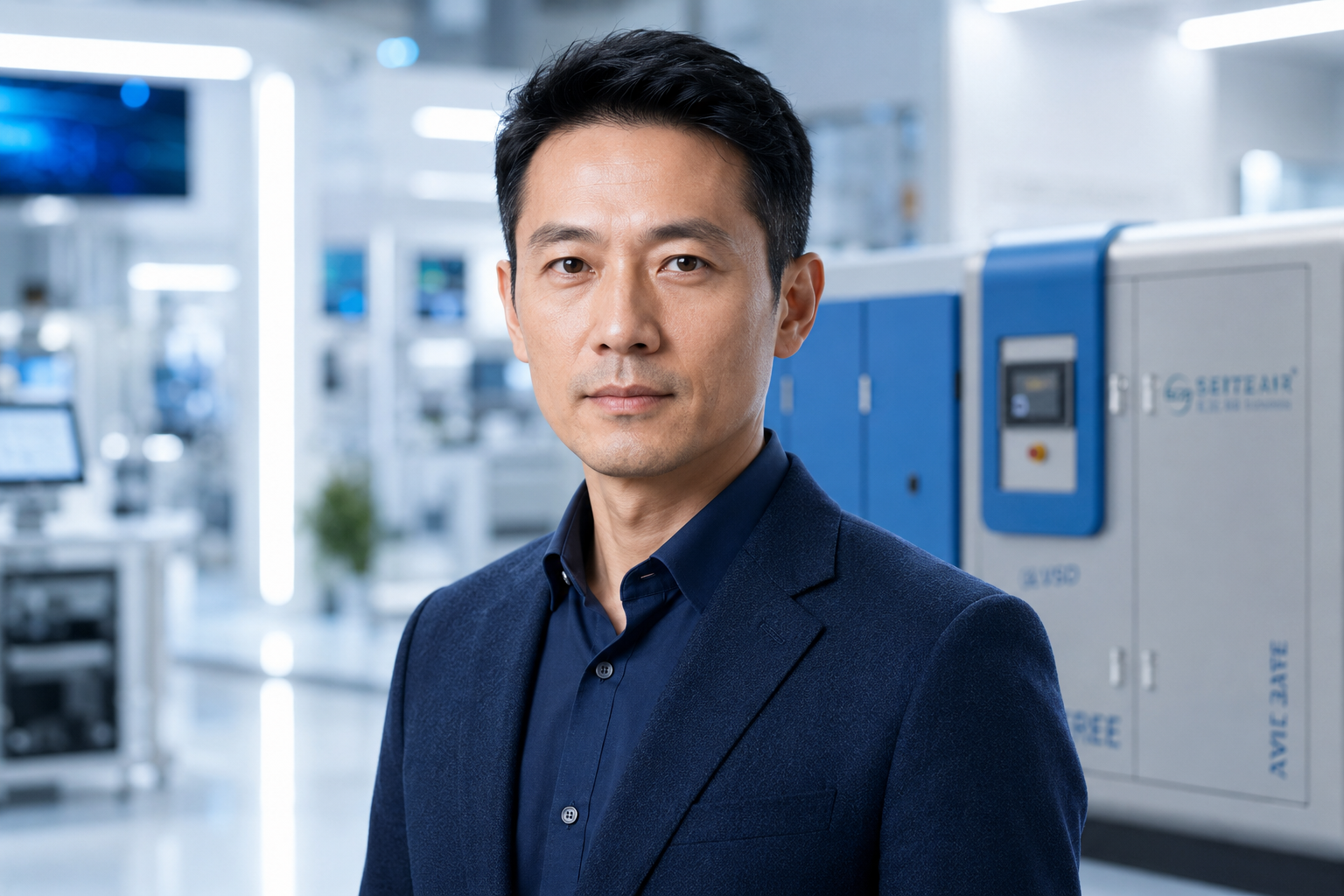

Magnetic Levitation Compressor Factory Insights: How Advanced Manufacturing Enhances Industrial Cooling
2026-08-09
Industrial cooling is undergoing a silent revolution, and at its heart lies magnetic levitation compressor technology. But what truly sets apart a high-performance system often comes down to how it’s made. Stepping inside a dedicated Seize Air manufacturing facility reveals a world where precision engineering and advanced production methods converge to push efficiency and reliability beyond conventional limits. This blog pulls back the curtain on those factory-floor insights, exploring how meticulous craftsmanship transforms cutting-edge design into real-world cooling gains—and why it matters for your next project.
Redefining Efficiency: The Core Tech Behind Magnetic Levitation Compressors
Magnetic levitation compressors break away from the mechanical constraints of traditional designs. Instead of relying on physical bearings that wear down over time and consume energy through friction, they use active magnetic bearings to suspend the rotor in a contact-free state. This eliminates metal-to-metal contact entirely, allowing the compressor to run at higher speeds without vibration or energy loss. The result is a dramatic leap in overall efficiency—far beyond what conventional oil-lubricated or dry screw compressors can achieve.
At the heart of the system lies a digitally controlled magnetic bearing assembly paired with a high-speed permanent magnet motor. Sensors and control algorithms monitor rotor position thousands of times per second, adjusting magnetic fields in real time to keep the shaft perfectly centered. The motor itself is integrated directly onto the rotor, removing the need for gears or couplings. This direct-drive approach not only cuts transmission losses but also enables precise speed modulation to match varying air demand. By operating without lubricants and with minimal heat generation, the compressor reduces energy waste across the entire load range.
The real-world impact is a redefinition of what efficiency means in compressed air systems. Magnetic levitation compressors typically deliver 10–20% energy savings compared to premium-efficiency oil-free compressors. They also eliminate the maintenance schedules and performance degradation tied to bearing wear, allowing consistent output over decades. For industries where compressed air is a critical utility, this technology shifts the focus from routine upkeep to continuous, optimized operation. It’s not just an incremental improvement—it’s a fundamental change in how mechanical efficiency is achieved and sustained.
Inside the Smart Factory: Where Precision Meets Production
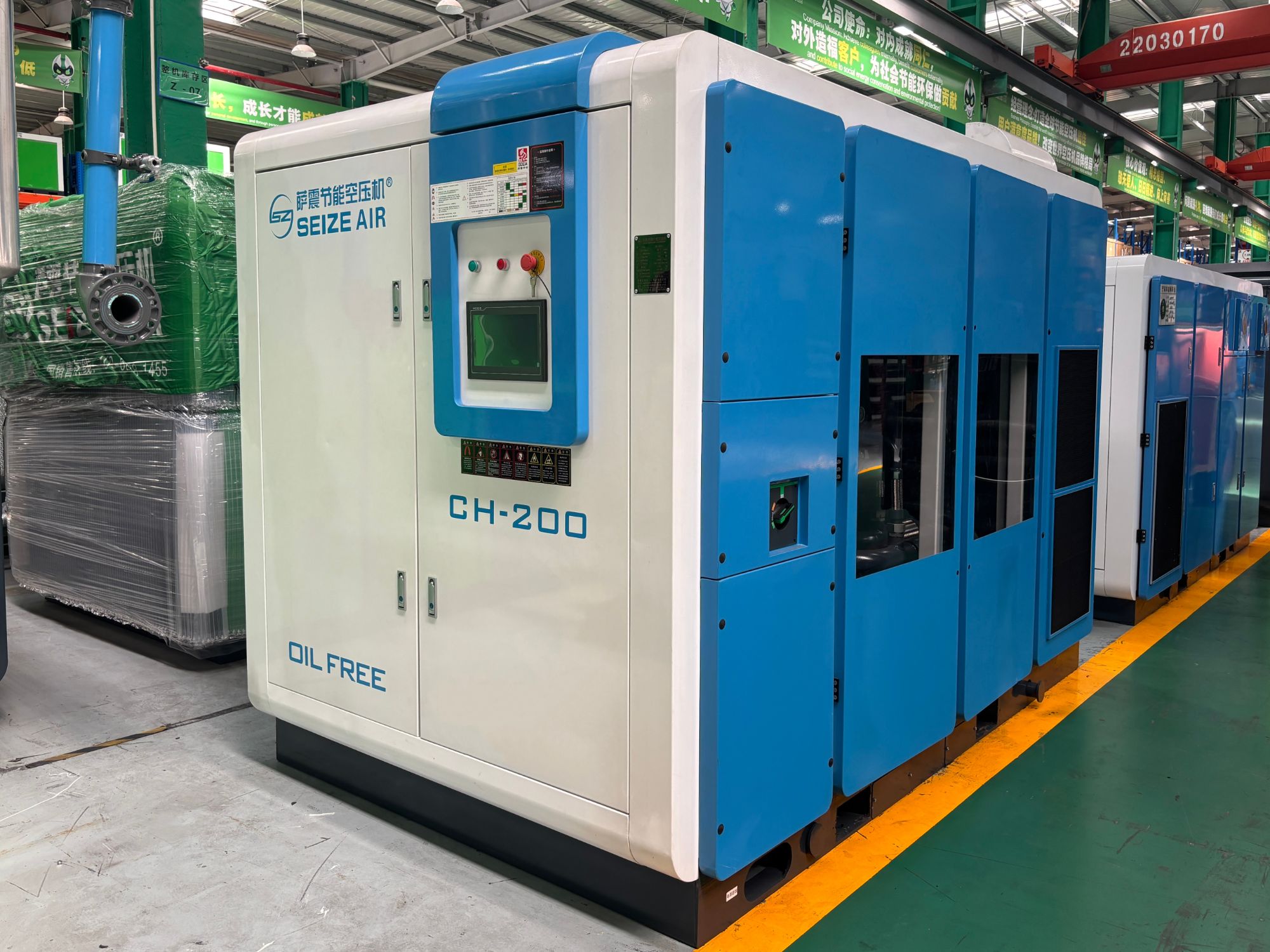
Step beyond the threshold of a typical manufacturing floor and into an environment where every movement is measured, every component accounted for. Here, robotic arms equipped with high-resolution sensors assemble intricate parts with repeatable accuracy down to the micron. It’s not about replacing human intuition but augmenting it—engineers monitor real-time data streams, tweaking algorithms on the fly to maintain flawless output even as product variants shift hourly.
The real magic happens in the digital backbone of the facility. A network of interconnected machines communicates instantly, flagging potential deviations before they materialize into defects. Digital twins simulate the entire production line in parallel, stress-testing process changes without ever halting the physical operation. This constant feedback loop means that when a custom order arrives, the system adapts within seconds, reconfiguring workflows without missing a beat.
What truly distinguishes this space, however, is the seamless collaboration between human expertise and machine intelligence. Workers use augmented reality headsets to visualize internal machine states, conducting maintenance with guided precision. On the sprawling shop floor, autonomous vehicles glide silently, delivering raw materials just as a station’s buffer runs low. The result isn’t a cold, automated expanse—it’s a dynamic ecosystem where technological precision serves a greater purpose: creating products that meet exacting standards with remarkable speed.
Cooling Beyond Convention: How Maglev Compressors Slash Industrial Costs
Industrial cooling often feels like a hidden tax on operations—massive energy bills, constant maintenance, and unexpected downtime. Traditional compressors rely on physical bearings that wear down, consume excess power, and demand frequent servicing. But magnetic levitation technology is rewriting those rules entirely. By suspending the compressor shaft in a frictionless magnetic field, maglev compressors cut energy losses by up to 40%, directly shrinking operating expenses and almost eliminating mechanical wear. It's not just incremental improvement; it’s a fundamental redesign of how cooling systems pay for themselves.
The cost advantages go far beyond the electricity meter. Without oil-based lubrication systems, maglev compressors remove the need for oil changes, filtration, and disposal—slashing maintenance budgets and avoiding production stoppages. Their tight, vibration-free operation also extends the life of adjacent equipment, from heat exchangers to piping, while opening up installation possibilities in spaces once ruled out by noise and structural strain. Over a typical asset lifespan, the total cost of ownership can drop by 30-50% compared to conventional setups, turning a capex decision into a long-term profit center.
Perhaps most compelling is how these compressors quietly adapt. Variable-speed control and wide turndown ratios let them match real-time cooling demand without cycling on and off, a common source of energy waste and component stress. In industries with fluctuating thermal loads—like pharmaceuticals, data centers, and food processing—this flexibility translates into substantial annual savings and more predictable financial planning. When you add in rising carbon regulations and rebates for high-efficiency equipment, the economic case for maglev cooling becomes less a technical argument and more a business imperative.
Green Manufacturing: Sustainability Gains from Advanced Compressor Design
Advanced compressor designs are quietly reshaping the manufacturing landscape by slashing energy consumption at its source. By integrating variable-speed drives and precision-engineered rotor profiles, modern units adapt their output to real-time demand rather than running at constant full throttle. This eliminates the wasteful practice of unloading or idling, which traditionally bleeds power without producing useful work. The ripple effect is immediate—facilities report double-digit drops in kilowatt-hour usage, lowering both operational costs and the carbon intensity of every product that rolls off the line.
Beyond the electrical savings, these compressors contribute to sustainability through smarter thermal management and material choices. Waste heat recovery systems now capture exhaust heat that was once vented outdoors, repurposing it for space heating or pre-warming process water. Meanwhile, manufacturers are swapping out conventional lubricants for high-performance synthetic alternatives that last longer and reduce hazardous waste. Sealed designs with magnetic bearings eliminate oil altogether in some models, cutting the risk of contaminated condensate and simplifying end-of-life recycling.
The real advantage, however, shows up in longevity and serviceability. Predictive maintenance algorithms track vibration patterns and pressure differentials, flagging minor issues before they become energy-draining failures. Components are modular and accessible, meaning repairs take hours instead of days and rarely require full system shutdowns. This extends the working life of the compressor well beyond legacy equipment, keeping embodied carbon locked away longer and reducing the churn of manufacturing, transport, and installation of new machines.
Real-World Applications: Industries Transformed by Magnetic Levitation Cooling
From data centers to advanced medical imaging, magnetic levitation cooling is reshaping how we manage heat in critical systems. By suspending components in a frictionless magnetic field and coupling this with highly efficient heat exchangers, entire facilities can operate at lower temperatures without the wear and tear of conventional compressors. In server farms, for instance, this technology slashes energy consumption by up to 40%, while eliminating vibration that can degrade sensitive hardware over time. The ripple effect is profound: companies can pack more computing power into smaller footprints, accelerating everything from real‑time financial modeling to genomic research.
Healthcare has also quietly embraced levitation‑based cooling, most notably in MRI machines. Traditional liquid helium cooling systems are complex and rely on a finite, costly resource; magnetic levitation cooling offers a closed‑loop alternative that reduces helium boil‑off to nearly zero. This not only lowers operational costs but also enables more compact scanner designs, bringing high‑field imaging to smaller clinics. Beyond diagnostics, pharmaceutical storage and transport are being rethought—vaccines and biologics that demand ultra‑stable temperatures can now be safeguarded with levitation‑cooled containers that require no external power for days at a time.
On a larger scale, transportation and heavy industry are tapping into the same principles. Maglev trains, already famous for their speed and silence at 600 km/h, are now integrating onboard cooling systems that use the very magnetic fields propelling the train to drive ultra‑efficient thermal management for superconducting magnets and power electronics. Meanwhile, in steel mills, magnetic levitation bearings in giant cooling fans and pumps are cutting maintenance cycles in half while handling the extreme heat of molten metal. These seemingly disparate applications share a common thread: by removing physical contact, we don’t just reduce friction—we unlock entirely new performance ceilings that were once thought impossible.
The Data-Driven Edge: Quality Control in Modern Compressor Assembly
Compressor assembly has moved beyond manual inspections and periodic checks. Today’s production floors rely on a continuous stream of sensor data to monitor everything from torque values to vibration signatures. This shift means defects are often caught the moment they occur, not hours later in a testing bay. The result is a process that corrects itself in near real time, reducing both waste and rework.
What sets this approach apart is the integration of statistical process control with machine learning models trained on historical assembly data. Instead of relying on static tolerance bands, the system learns the subtle patterns that precede a quality deviation. For instance, a slight drift in bearing press force might go unnoticed by a human operator but triggers an alert when the algorithm recognizes it as an early indicator of misalignment. This predictive layer adds a new dimension to quality assurance, turning data into a proactive shield.
The cultural impact is equally striking. When operators and engineers share a single source of truth through dashboards and automated reports, root cause analysis speeds up dramatically. Teams no longer debate whether a fault was a one-off incident or a systemic issue; the trail of data makes the answer clear. Over time, this builds a cycle of continuous improvement where each unit assembled feeds back into the knowledge base, steadily raising the bar for precision and durability.
FAQ
They eliminate physical contact between the rotor and stator by using magnetic bearings, which means no friction, no oil lubrication, and far less mechanical wear. This allows for higher rotational speeds and more precise control of cooling output.
Modern factories use computer-controlled machining and laser alignment to build components with micron-level accuracy. Automated assembly ensures consistent gap tolerances in the magnetic bearing system, which is critical for stable levitation and vibration-free operation.
Yes, especially at partial load conditions. Maglev compressors can adjust their speed continuously to match the exact cooling demand, avoiding the on/off cycling losses of fixed-speed machines. Many installations see a 25–40% drop in electricity use compared to conventional screw or centrifugal compressors.
Robotic assembly cells and real-time quality monitoring systems catch defects early. For example, winding the stator coils with automated tension control prevents imbalances, and every completed rotor is spin-tested in a vacuum chamber to verify its magnetic levitation performance before shipping.
Data centers, pharmaceutical cold storage, and large commercial buildings see the biggest gains because they require precise temperature and humidity control 24/7. The compressors’ ability to handle variable loads efficiently makes them particularly valuable in these applications.
Without oil, you eliminate the need for oil changes, oil filters, and oil system servicing. This greatly reduces scheduled downtime and the risk of oil logging in heat exchangers, which can degrade efficiency over time. The main maintenance tasks shift to checking the power electronics and cleaning the cooling coils years down the line.
Each compressor undergoes a full-load calorimeter test in a controlled environment to map its efficiency curve. Additionally, the magnetic bearing controller is tuned and validated through a series of simulated load scenarios to confirm stability before the unit is cleared for packaging.
The upfront cost is typically 30–50% higher than a conventional compressor of similar capacity. However, the energy savings alone often recover that premium within 2–4 years, and the reduced maintenance expenses and longer service life—often beyond 20 years—deliver a compelling total cost of ownership advantage.
Conclusion
At the core of today's industrial cooling transformation, magnetic levitation compressors are rewriting efficiency standards by eliminating mechanical friction entirely. Magnetic bearings suspend the rotor, enabling oil-free operation and near-lossless compression, which drastically cuts energy use compared to traditional screw or centrifugal designs. Inside advanced manufacturing facilities, this precision engineering meets smart production—automated assembly lines, laser alignment systems, and real-time monitoring ensure micron-level tolerances are maintained at every stage. The factory floor blends digital twins with sensor-driven feedback loops, allowing continuous optimization long before a unit reaches the field, fundamentally redefining how compressors are built and how they perform.
Beyond the technical feat, the real impact emerges in application. Industries from pharmaceuticals to food processing are reporting double-digit reductions in operating costs, thanks to lower power draw, minimal maintenance, and extended service intervals. The environmental gains are equally compelling: refrigerant charge can be cut by up to 40%, and without oil, the system's lifecycle carbon footprint shrinks. Meanwhile, quality control has become a data-centric discipline—every rotor balance test, stator winding check, and final run-in is logged, analyzed, and fed back into design iterations, making reliability not a hope but a statistical certainty. This fusion of precision manufacturing, intelligent quality systems, and inherently efficient magnetic levitation technology is quietly reshaping industrial cooling, proving that the factory floor is where true sustainability and performance begin.
Contact Us
Contact Person: Mia
Email: [email protected]
Tel/WhatsApp: +86 19821985894
Website: https://www.seize-air.com