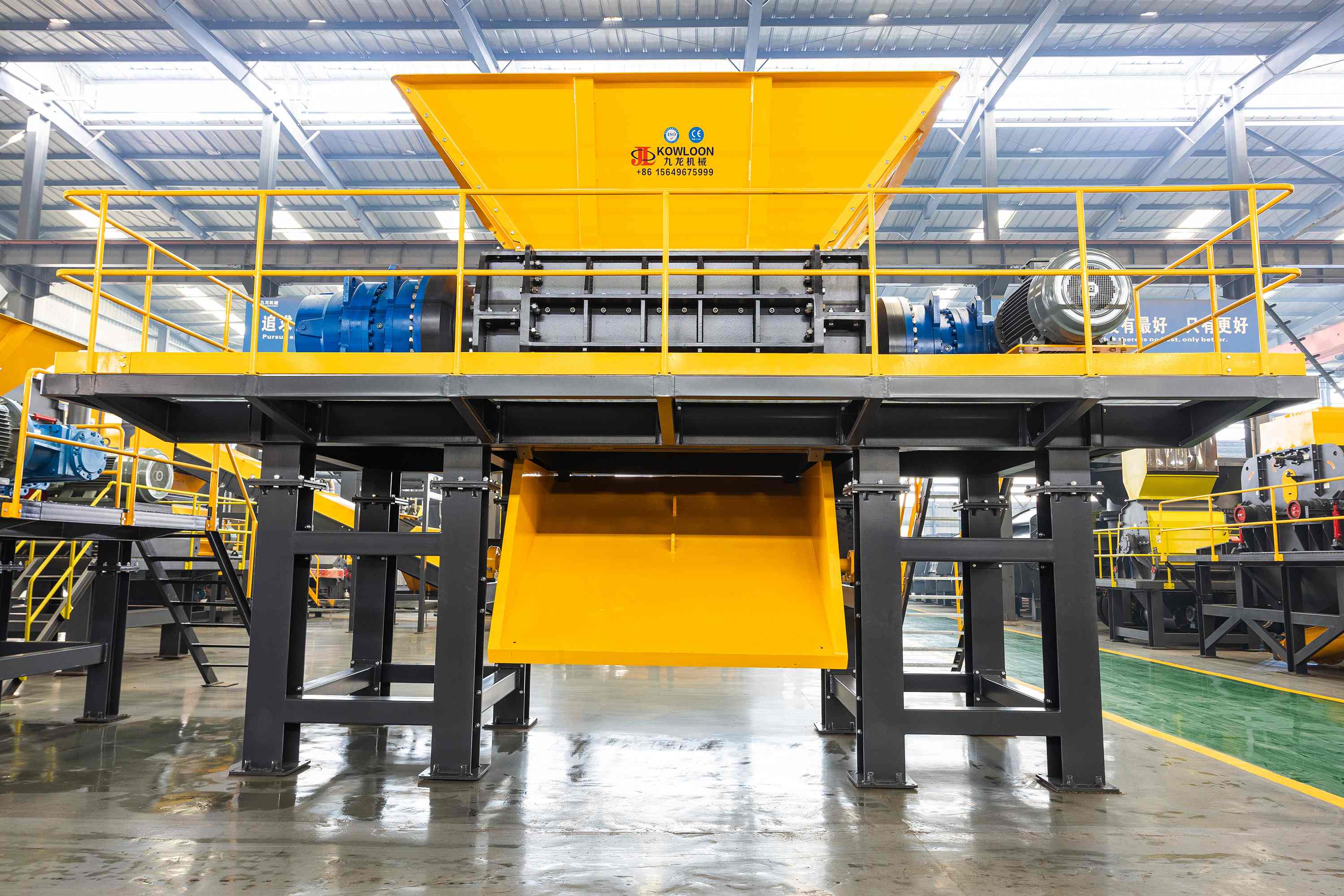

New Type Metal Shredder: Advanced Technology for Efficient Recycling
2026-03-27
In the dynamic world of metal recycling, innovation is key to unlocking greater efficiency and sustainability. Enter the new type metal shredder from Kowloon Machinery – a cutting-edge solution designed to transform how we process scrap metal. With advanced technology at its core, this shredder promises not just to enhance productivity but also to set new standards in the industry. Dive in as we explore its groundbreaking features and discover how it can revolutionize your recycling operations.
Revolutionary Shredding Technology for Superior Recycling Performance
In the realm of waste management, new shredding solutions are transforming how materials are processed for recycling. Unlike conventional methods that often produce inconsistent particle sizes, this advanced technology employs precision-engineered blades and dynamic control systems to shred everything from plastics to metals with remarkable uniformity. This consistency is crucial because it directly impacts the efficiency of downstream sorting and melting processes, reducing energy consumption and minimizing contamination in recycled outputs. By focusing on tailored shredding for specific material types, the system ensures that each fragment is optimally prepared for reprocessing, ultimately leading to higher-quality recycled products that meet stringent industry standards.
What truly sets this shredding innovation apart is its ability to handle a diverse range of materials without compromising on performance or durability. From bulky electronic waste to resilient automotive parts, the technology adapts in real-time to varying material densities and compositions, thanks to intelligent sensors and automated adjustments. This versatility not only streamlines operations in recycling facilities but also opens up new possibilities for processing complex waste streams that were previously deemed challenging or uneconomical. By enhancing throughput and reducing downtime, it translates into tangible cost savings and a lower environmental footprint, making recycling more viable and scalable for businesses and communities alike.
Beyond mere efficiency gains, the shredding technology plays a pivotal role in elevating the overall circular economy. By producing cleaner, more consistent shredded materials, it supports the creation of high-grade recycled content that can seamlessly integrate into manufacturing cycles. This contributes to reducing reliance on virgin resources and mitigating waste accumulation, fostering a more sustainable industrial ecosystem. The focus on innovation here isn't just about breaking things down—it's about rebuilding value from what was once discarded, paving the way for a future where recycling isn't an afterthought but a core component of responsible production and consumption.
Enhancing Efficiency and Safety in Metal Processing Operations
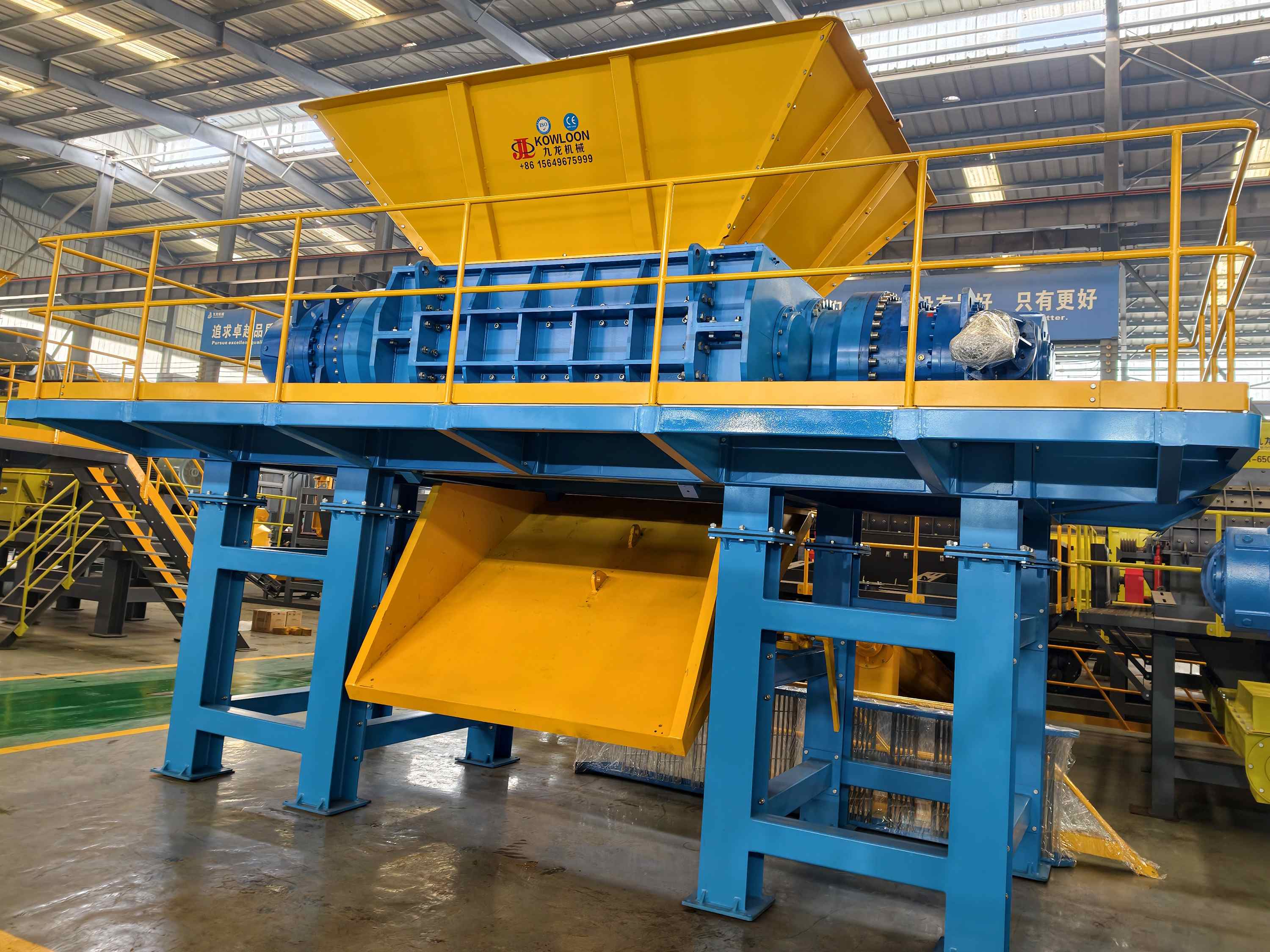
In the realm of metal processing, boosting efficiency and safety isn't just a goal—it's a necessity for sustainable operations. Modern facilities are increasingly adopting smart automation and real-time monitoring systems that streamline workflows. For instance, automated cutting and welding machines reduce manual intervention, cutting down processing times while minimizing human error. This shift not only accelerates production cycles but also reduces energy consumption, making operations more cost-effective and environmentally friendly. Technologies like predictive maintenance use sensors to detect equipment issues before they escalate, preventing costly downtime and ensuring machinery runs smoothly and safely.
Safety, on the other hand, is being revolutionized through integrated protocols and advanced materials. Workers are now equipped with wearable tech that monitors vital signs and environmental hazards, alerting them to potential dangers like excessive heat or toxic fumes. Enhanced ventilation systems and ergonomic tool designs further protect personnel, reducing injury rates and fostering a healthier workplace. Additionally, rigorous training programs focused on hazard recognition and emergency response ensure that safety becomes a core part of the culture, rather than an afterthought.
By merging efficiency with safety, the industry sees tangible benefits: fewer accidents, lower operational costs, and higher product quality. It's a balanced approach that positions companies for long-term success in a competitive market.
Key Features That Set This Shredder Apart in the Market
This shredder distinguishes itself through a unique combination of power, precision, and user-friendliness that's rare in today's market. Unlike many models that focus solely on speed or security levels, it integrates a patented cutting mechanism that reduces motor strain, ensuring quieter operation and longer lifespan without compromising on shred quality. Users often note how it smoothly handles a mix of materials—from standard paper to staples and credit cards—without the jams or overheating issues common in competitors.
Another standout feature is its smart sensor technology, which automatically adjusts the feed based on document thickness and type. This isn't just a basic auto-start function; it learns from usage patterns over time, optimizing performance for different tasks like bulk shredding or occasional sensitive document disposal. It's this adaptive intelligence that saves time and energy, making it a practical choice for both busy offices and home settings where efficiency matters.
In terms of design, the shredder offers customizable security settings that go beyond the standard P-4 or P-5 ratings. With options to micro-cut specific data types or schedule shredding during off-hours, it provides tailored security solutions that many brands overlook. Plus, its sleek, compact build doesn't sacrifice capacity, fitting seamlessly into modern workspaces while maintaining a robust feel that users trust for daily use.
Applications Across Diverse Industries for Sustainable Solutions
In manufacturing, sustainable solutions are revolutionizing production lines by integrating energy-efficient machinery and circular economy principles, reducing waste and lowering carbon footprints significantly. Companies are adopting smart technologies that optimize resource use, from water recycling systems to biodegradable packaging, fostering resilience against market fluctuations and environmental regulations. This shift not only enhances operational efficiency but also attracts eco-conscious consumers, driving brand loyalty and competitive edge in a crowded marketplace.
The construction sector is embracing sustainable practices through innovative materials like cross-laminated timber and modular designs that minimize energy consumption during building and usage phases. Green certifications and adaptive reuse of existing structures are becoming standard, cutting down on emissions and promoting healthier urban environments. By prioritizing durability and lifecycle assessments, projects achieve long-term savings while contributing to global climate goals, making sustainability a cornerstone of modern architectural and engineering endeavors.
In agriculture, sustainable solutions are boosting yields and soil health through precision farming techniques, such as drones and IoT sensors, which tailor water and fertilizer use to specific crop needs. Agroforestry and regenerative practices restore ecosystems, combating desertification and enhancing biodiversity. Farmers benefit from reduced costs and increased resilience to climate change, ensuring food security for growing populations while preserving natural resources for future generations, highlighting how sustainability intertwines productivity with planetary stewardship.
Economic and Environmental Benefits of Adopting Advanced Shredding
Adopting advanced shredding technologies isn't just about upgrading equipment—it's a strategic move that can transform both your bottom line and environmental footprint. By switching to high-efficiency shredders, businesses often see a dramatic drop in energy consumption, sometimes by up to 40%, which directly translates into lower utility bills and reduced operational costs. This shift helps companies stay competitive in a market where resource efficiency is increasingly prized.
On the environmental front, cutting-edge shredders minimize waste production through better material separation and recycling capabilities, significantly reducing landfill contributions. For example, some models can process up to 99% of materials for reuse, turning potential environmental liabilities into valuable resources. This not only aligns with global sustainability goals but also enhances corporate reputation among eco-conscious consumers and partners, creating a ripple effect of positive impact.
Moreover, the adoption of advanced shredding systems can lead to innovative business opportunities, such as generating revenue from recycled materials or improving data security compliance, which further amplifies economic gains. By focusing on these dual benefits, organizations can craft a compelling narrative of progress that sets them apart in an industry often bogged down by outdated practices.
Future Innovations and Trends in Metal Recycling Equipment
The landscape of metal recycling is rapidly evolving, with equipment advancements poised to tackle existing bottlenecks like material sorting and energy consumption. Emerging trends include the integration of artificial intelligence and machine learning into sorting systems, such as hyperspectral imaging and robotic arms, which enhance the precision in separating complex metal alloys from waste streams. This not only boosts recycling rates but also reduces contamination, making the process more efficient and environmentally sustainable.
Another key trend involves the development of more compact and mobile recycling units that can be deployed on-site at construction or demolition projects, minimizing transportation costs and emissions. Innovations like portable shredders and magnetic separators are enabling localized processing, which speeds up material recovery and supports circular economy initiatives by keeping valuable metals in use longer.
Looking ahead, emerging technologies such as advanced sensor-based systems and the use of drones for scrap yard inventory management are expected to revolutionize the industry. These tools allow for real-time monitoring and data analytics, optimizing equipment performance and predictive maintenance. Additionally, growing focus on recycling rare earth metals from electronic waste is driving the creation of specialized equipment capable of handling these challenging materials, further expanding the scope and impact of metal recycling efforts.
FAQ
The New Type Metal Shredder integrates a smart sensor system for real-time material analysis, enhancing precision in metal separation during recycling. This technology significantly boosts efficiency and reduces waste in processing.
Compared to older shredders, this model consumes about 30% less energy due to its optimized motor design and adaptive processing speeds. It's designed to handle larger volumes with minimal power usage.
Yes, it's built with a versatile cutting mechanism that automatically adjusts for different metals like steel, aluminum, and copper, eliminating the need for manual tuning during operations.
Its advanced cooling system prevents overheating during continuous use, ensuring longer lifespan and consistent performance. This makes it ideal for high-demand recycling facilities seeking reliable output.
The shredder includes automatic shutdown protocols and reinforced enclosures to minimize risk. These features are designed to meet modern safety standards while maintaining operational fluidity.
By improving metal recovery rates and reducing energy waste, it helps facilities cut down their environmental footprint. This aligns with broader efforts to promote circular economy practices.
Routine checks on the blade system and sensor calibration are recommended every few months. Its modular design simplifies upkeep, reducing downtime and operational costs.
It offers configurable options for throughput capacity and integration with existing conveyor systems. This adaptability allows plants to tailor it to their specific workflows without major overhauls.
Conclusion
The new type metal shredder represents a significant leap in recycling technology, integrating advanced mechanisms that revolutionize shredding processes for superior performance. Featuring innovative engineering, this equipment excels in processing various metals efficiently while enhancing safety in operations. Its cutting-edge design not only boosts productivity but also sets new standards in the market through distinctive features that prioritize durability and precision. By addressing key industry challenges, this shredder supports sustainable practices across diverse sectors, from manufacturing to waste management, offering tailored solutions that adapt to different industrial needs.
Adopting this advanced shredding technology yields substantial economic and environmental benefits, reducing operational costs and minimizing waste through efficient material recovery. The shredder promotes a circular economy by facilitating high-quality metal recycling, which in turn conserves natural resources and lowers carbon footprints. Looking ahead, it aligns with future trends in metal recycling equipment, paving the way for innovations that enhance automation and smart functionalities. This forward-thinking approach ensures that industries can meet evolving sustainability goals while maintaining competitive advantages in a rapidly changing market landscape.
Contact Us
Contact Person: Ray
Email: [email protected]
Tel/WhatsApp: +86 13733817580
Website: https://www.zzkowloon.com/