

Optimizing a Pet Food Production Line Factory for Maximum Efficiency and Safety
2026-05-08
Every pet food manufacturer knows the delicate balance between speed and safety on the production floor. With evolving consumer demands and stricter regulations, optimizing your line isn't optional—it's survival. Enter MINGDE, a game-changer in factory automation that blends precision engineering with uncompromising hygiene standards. In this post, we explore the tactics that turn bottlenecks into breakthroughs and hazards into safeguards.
Streamlining Raw Material Handling for Consistent Quality
Getting raw materials from point A to point B without hiccups does more than just keep the line moving—it sets the tone for everything that follows. When handling becomes a well-oiled routine, batch-to-batch variations shrink, contamination risks drop, and the floor crew can stop firefighting and start fine-tuning. It’s tempting to overlook the mundane steps of receiving, storing, and feeding materials, but those steps quietly dictate whether your final product hits spec or drifts into rework territory.
Practical streamlining often starts with rethinking how materials are staged and tracked. Simple tweaks like color-coded bins, short FIFO lanes, and clear visual inventory cues cut down on mix-ups without needing a digital overhaul. For operations already leaning on automation, aligning sensor-guided feeders and real-time weight checks with a single source of truth closes the loop between what’s ordered, what’s used, and what’s left. The goal isn’t to chase perfect data—it’s to make the right material available in the right condition, right when it’s needed, so quality becomes a built-in habit rather than a last-minute audit.
But even the smoothest system falls apart if the human touch gets ignored. Operators who understand why a particular silica lot behaves differently under humidity, or who can spot a torn bag before it fouls a hopper, are your best defense against drift. Building that instinct takes more than a laminated SOP—it means regular brief huddles where findings from the line feed back into purchasing and storage decisions. When procedural updates grow from real floor observations instead of top-down mandates, handling stays nimble and quality stays consistent, batch after batch.
Automating Batching and Mixing to Slash Downtime
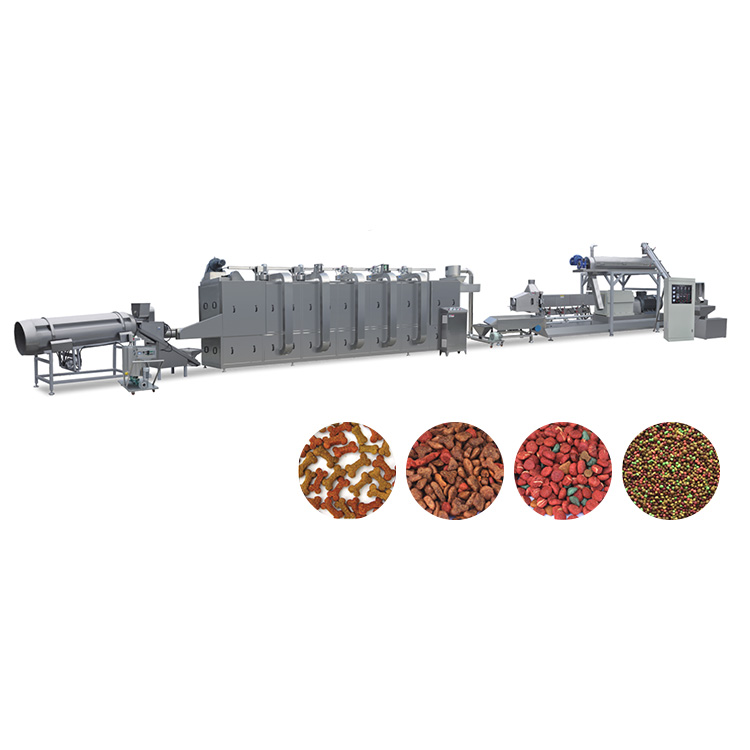
Traditional batching and mixing processes often rely on manual operations that introduce delays and inconsistencies. By automating these steps, facilities can dramatically reduce the time spent waiting for materials to be prepared. Automation systems can precisely measure and dispense ingredients, then mix them according to preset recipes without human intervention. This not only slashes changeover times but also ensures every batch meets exact specifications, minimizing rework and waste.
One of the biggest sources of downtime in batch production is the lag between cycles. With smart automation, equipment can start preparing the next batch while the current one is still running, creating a seamless flow. Sensors and controls monitor blending in real time, adjusting parameters on the fly to maintain quality. The result is a continuous, optimized process that keeps production lines moving and output consistent.
Beyond speed, automated batching and mixing systems provide data insights that manual methods can't match. Operators can track material usage, spot trends, and predict maintenance needs before breakdowns occur. This proactive approach turns raw efficiency gains into long‑term reliability, cutting downtime even further and helping plants adapt quickly to shifting production demands.
Rethinking Extrusion Settings for Uniform Kibble and Energy Savings
Many pet food manufacturers stick with legacy extrusion parameters out of habit, yet small adjustments to screw speed, barrel temperature, and die geometry can dramatically reduce kibble size variation. When the melt flows more evenly through the die, you get fewer fines and broken pieces, which means less reprocessing and waste. Instead of accepting a certain level of inconsistency as normal, operators who fine-tune these variables often discover they can maintain consistent piece weight with less energy input.
Preconditioning is another area ripe for reexamination. Applying steam and water in a more targeted way—shortening hydration time while holding temperature steady—improves starch gelatinization without overworking the mash. This not only makes the dough easier to extrude but also allows for lower mechanical energy demand at the extruder. The result is a quieter motor draw and cooler barrel jackets, extending equipment life while still hitting throughput targets.
Uniform kibble isn’t just about aesthetics; it directly impacts drying efficiency and packaging operations. Consistent size and density mean more predictable drying curves, so burners cycle less frequently and exhaust temperatures stay stable. Over time, this translates into measurable savings on natural gas and electricity. Those savings add up even without major capital investment—often just a willingness to challenge the default settings and observe what actually happens when you push and pull a few controls.
Smart Drying and Coating Methods That Preserve Nutrients
Modern drying technologies have moved beyond simple heat application. Freeze-drying, for instance, removes water by sublimation under vacuum, keeping cell structures intact and minimizing nutrient loss. Low-temperature convective drying with controlled humidity similarly preserves heat-sensitive vitamins like C and B-complex much better than conventional hot air methods.
Coating approaches add another protective layer. Edible films made from proteins or polysaccharides can be applied to fruits, vegetables, and even dried products to form a barrier against oxygen and moisture. This simple technique greatly reduces oxidation of fats and degradation of light-sensitive nutrients, extending shelf life while maintaining nutritional value.
More advanced methods like vacuum impregnation with protective solutions or microencapsulation of nutrients within coating matrices are gaining traction. These allow targeted delivery of antioxidants or probiotics while shielding them from harsh environmental factors. By combining smart drying with active coatings, food processors can deliver products that retain their original nutritional profile far longer than traditionally processed alternatives.
Proactive Maintenance Schedules That Stop Safety Hazards
Waiting for a machine to show signs of wear before servicing it is like ignoring a gas leak until you smell smoke. Proactive maintenance schedules flip that mindset, making inspections and part replacements happen on a fixed calendar basis rather than reactive repairs. This method catches potential hazards—frayed cables, worn-out brakes, or weakening structural joints—long before they turn into workplace accidents. Facilities that adopt calendar-driven checklists often notice a steep drop in emergency shutdowns and near-miss reports, simply because small problems never get the chance to snowball.
A well-structured proactive plan doesn't rely on guesswork or one-size-fits-all intervals. Instead, it builds schedules around asset usage history, manufacturer guidelines, and real-world failure patterns observed in the field. For example, a conveyor belt in a packaging plant might have its tension and alignment checked every 90 days, while a backup generator gets a full load test monthly. By writing these routines into a clear, non-negotiable schedule and empowering teams to halt operations if something is off, safety stops being an afterthought and becomes an operational rhythm.
The real edge of proactive maintenance comes from the data it creates over time. Tracking dates, replacement parts, and technician notes reveals trends that help refine the schedule itself—maybe a particular pump bearing fails faster in summer heat, so the inspection cycle gets shortened during those months. This continuous learning loop not only prevents injuries but also stretches asset life and avoids the chaos of unplanned downtime. Ultimately, it transforms maintenance from a cost center into a strategic shield against risk.
Using Real-Time Data to Fine-Tune Every Stage of Production
Gone are the days when production tweaks relied on gut feelings or weekly reports. Now, sensors and smart systems feed live metrics straight from the floor, letting teams spot tiny drifts in temperature, pressure, or speed before they snowball into rejects. It’s less about chasing perfection and more about catching the small stuff early—like a slight vibration in a spindle that could ruin surface finish three shifts later. When everyone from the operator to the plant manager sees the same dashboard updating by the second, decisions stop being reactive and start being proactive.
This constant stream of data doesn't just flag what's about to go wrong; it reshapes how you think about each step. Instead of running a batch and checking quality at the end, you're adjusting on the fly—tweaking a curing time here, a mix ratio there. One plant we know shaved four percent off material waste simply by linking real-time viscosity readings to their dosing pumps. It wasn't a massive overhaul; just a tight feedback loop that kept the process in its sweet spot without anyone touching a button.
What makes this approach stick is how it turns production into a living, breathing thing that learns. Historical data piles up quickly and feeds into models that predict what settings work best under different ambient conditions or raw material lots. So when the humidity spikes on a summer afternoon, the line compensates automatically, not because someone wrote a rule, but because the pattern was already seen and solved a hundred times before. That’s the real shift: not just fixing problems faster, but building a system that steadily fixes itself.
FAQ
Start by mapping the entire workflow to identify bottlenecks. Look at material flow, machine uptime, and labor allocation. Often, small adjustments like repositioning mixers or conveyors yield quick gains without major investment.
Implement enclosed processing zones to contain dust and allergens, and use automated sensors to stop equipment when guards are breached. More robust lockout-tagout procedures and regular safety drills also help. These steps reduce accidents which ultimately prevent production halts.
Gentle handling of ingredients like meat slurries and powders prevents clumping and uneven mixing. Use pneumatic conveyors with smooth bends and low-velocity transport to preserve nutrient integrity and keep the line running smoothly.
Automated recipe management systems ensure precise ingredient dosing, while inline quality sensors for moisture and fat content adjust processing parameters in real time. These systems cut waste and ensure consistent product quality.
Heat recovery from the ovens and dryers can preheat incoming air or water. Variable speed drives on fans and motors tailor energy use to actual demand rather than running at full throttle continuously.
Predictive maintenance using vibration analysis and thermal imaging catches issues before failure. But don’t overlook simple daily checks: lubricating bearings, inspecting belts, and cleaning filters. A well-trained team that tags potential problems in shift logs is invaluable.
Switching to servo-driven fillers and sealers allows rapid changeovers between bag sizes. Integrating checkweighers and metal detectors immediately after packaging reduces rework and product recalls. Ergonomic design at packing stations also speeds up manual tasks.
Conclusion
To run a pet food factory at peak efficiency while keeping safety paramount, the focus begins where production starts: raw materials. Streamlining ingredient intake and storage ensures consistent quality, which directly impacts downstream processes. When you automate batching and mixing, you cut out manual errors and reduce downtime between runs. This not only speeds things up but also maintains precise formulations. Extrusion is another critical point—rethinking screw configurations, temperatures, and moisture levels can produce uniform kibble while trimming energy consumption. Small adjustments here ripple across the entire line, improving throughput without sacrificing product integrity.
Once the kibble is formed, the drying and coating stages offer a chance to lock in nutrients that might otherwise be degraded by heat. Smart drying profiles paired with targeted fat and flavor application keep the food appealing and nutritionally intact. But even the best process design falls short without reliable equipment. Proactive maintenance schedules, guided by real-time sensor data, prevent unexpected breakdowns and spot safety risks—like overheating motors or clogged lines—before they escalate. Tying it all together, a data-driven approach lets you fine-tune every stage, from ingredient arrival to packaging, creating a responsive system that consistently delivers safe, high-quality pet food with minimal waste.
Contact Us
Contact Person: LILY SUN
Email: [email protected]
Tel/WhatsApp: 0086-13969103791
Website: https://www.snackfoodmachinery.com/