

Professional Switch Cabinets: How to Choose the Right One for Maximum Efficiency
2026-07-22
In industrial and commercial environments, the efficiency of your power distribution often comes down to one critical component: the switch cabinet. But with so many options on the market, how do you identify a truly professional solution that guarantees long-term reliability? From thermal management to modular flexibility, the right choice can prevent costly downtime and streamline operations. That’s why at Chang Song, we emphasize engineering that adapts to your specific needs—without compromising on safety or performance. Let’s cut through the noise and explore the key factors that turn a simple enclosure into a powerhouse of efficiency.
Start with the Enclosure’s True Build Quality, Not Just the Data Sheet
If you base your opinion of an enclosure solely on the spec sheet, you're likely missing the most compelling part of the story. Paper ratings and ideal-condition numbers often obscure the hand feel, the subtle resistance of the door latch, the way panels align without visible fasteners. True build quality starts with the material choices and the manufacturing tolerances that don't always make it into a brochure—things like the grade of aluminum, the consistency of the anodization, or whether the corners are welded or just fastened tight.
A well-built enclosure reveals itself through the details you won't find in a CAD render. The way a cover slides on and seats itself with a confident, friction-fit precision; the absence of sharp edges even in spots a user would rarely touch; the consistent gap lines that speak to fixtures designed and maintained with real care. These traits come from iterative prototyping and a factory culture that values craftsmanship, not just throughput. When you hold a genuinely premium enclosure, it feels more like an instrument than a box.
Because the spec sheet won't tell you if the enclosure’s surface picks up fingerprints, if the color shifts under different lighting, or how well it dampens vibration over time. That knowledge comes from engaging with the physical object and from working with manufacturers who understand that the spec sheet is just the starting point—the real benchmark is how the enclosure performs in human hands, day after day.
Why Thermal Design Can Make or Break Your Cabinet’s Long-Term Performance
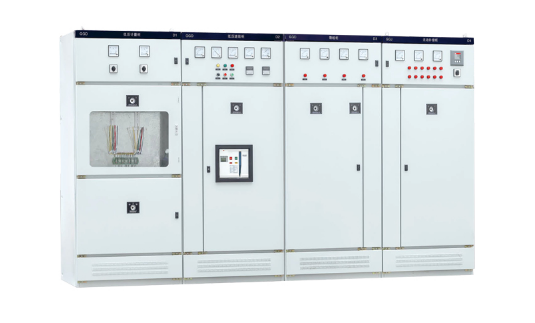
Heat buildup inside an enclosure isn’t just a comfort issue—it’s a silent destroyer of sensitive electronics. When components run beyond their rated temperature for extended periods, their lifespan can drop by half or more, often without any immediate warning signs. Capacitors dry out, solder joints crack under thermal cycling, and insulation degrades faster than designed. What starts as an occasional glitch turns into costly, unexplained downtime that erodes trust in the entire system.
The real challenge is that thermal problems rarely stay local. A poorly ventilated cabinet turns into a miniature oven, where heat from one module amplifies the load on its neighbors. Without careful airflow planning, adding larger fans or vents can actually worsen hot spots by creating dead zones. Engineers often overlook how cabinet materials and surface coatings affect radiative cooling—a simple change in paint color or internal layout can shift operating temperatures by several degrees, enough to push marginal components over the edge.
Beyond hardware failure, thermal stress distorts electrical performance in ways that diagnostics rarely flag. Resistance drifts in precision circuits, timing margins shrink on high-speed signals, and leakage currents spike in semiconductors, all while the cabinet’s monitoring software reports everything as normal. A cabinet that thermally “works” today might slowly compromise data integrity or response times in ways that only surface years into deployment. Designing with thermal headroom upfront isn’t about precaution—it’s about preserving the functional identity of the equipment over its intended life.
The Real Benefit of Modular Cabinets: Flexibility You’ll Actually Use
Modular cabinets aren't just about looking neat—they're about adapting. Imagine rearranging your kitchen storage on a whim, swapping a shelf for a drawer or sliding a tall cabinet into a new corner because your needs changed. That's the quiet power of modular design: it leaves the blueprint where it belongs—in your hands.
What separates truly useful flexibility from a gimmick is how effortlessly the system grows with your life. A baby arrives, and a cabinet becomes a pull-out changing station. A passion for baking blooms, and suddenly a corner unit converts into a pull-down mixer shelf. No demolition, no regret—just components that click into new configurations as easily as they clicked in the first time. It’s furniture that remembers you have a future, not just a floor plan.
And it’s not only about major life shifts. The everyday fluidity matters more. Adjust shelves upward when you switch from cereal boxes to wine bottles. Unhook a wall-mounted module from the office and move it to the entryway for shoes. When flexibility is this tangible, your home stops being a rigid layout and starts acting like a responsive partner—one that anticipates what you need next without requiring a phone call to a contractor.
Customization Is Not a Luxury When Standard Solutions Fall Short
Standard off-the-shelf software often promises a quick fix, but its one-size-fits-all approach can leave critical gaps. When your workflows, compliance requirements, or customer interactions don't align with generic features, the supposed savings in time and money quickly evaporate. You end up patching processes with manual workarounds, which breeds inefficiency and frustration across teams.
Take a manufacturer managing intricate supply chain rules, or a healthcare provider juggling unique patient intake procedures—rigid systems force them to adapt their operations to the tool, rather than the other way around. Customization flips that dynamic, molding the technology around proven workflows. It doesn't just solve immediate pain points; it future-proofs the business by allowing gradual, precise adjustments as needs evolve, something pre-packaged updates rarely accommodate.
Treating customization as an indulgence misses the point. It's a practical response when the cost of incomplete solutions adds up to lost opportunities, compliance risks, and stunted growth. The real luxury isn't building tailored systems—it's being able to absorb the hidden costs of standardization without it eating into your competitive edge.
Overlooked Safety Marks and Certifications That Keep You Compliant
It’s easy to fixate on the big-name safety labels—UL, CE, FCC—but the regulatory landscape is littered with lesser-known marks that carry just as much weight during an audit. Marks like the ETL Listed mark, often perceived as a cheaper alternative to UL, actually holds identical testing standards and is recognized by OSHA in the U.S. Similarly, the CSA mark from Canada is accepted across North America, yet many manufacturers treat it as optional when it’s often explicitly required for certain industrial equipment. Overlooking these can lead to costly shipment rejections or even legal exposure down the line.
Beyond electrical and fire safety, specialized certifications for materials and restricted substances often fly under the radar. The NSF mark, for example, isn’t just for water filters—it’s mandatory for any food service equipment in many health codes. Likewise, the GREENGUARD certification, which addresses chemical emissions, has become a silent dealbreaker in commercial furniture and building materials. Even the Prop 65 warning label requirements in California trip up companies that assume their products are exempt. Each of these demands supply chain documentation that goes way beyond a simple stamp on the product.
What makes these marks sneaky is that they mutate over time without much fanfare. Standards are updated, scopes expand, and test methods evolve, leaving you non-compliant if you’re running on dated paperwork. The only reliable defense is to bake compliance tracking into product lifecycle management—not as an afterthought, but as a living part of design and sourcing. That means quarterly reviews of your certification matrix, direct engagement with notified bodies, and resisting the temptation to treat a certification as a one-time event. Because when an inspector points to a missing mark you never knew you needed, the cost won’t be measured in fines alone.
Scaling Smartly: Cabinets That Grow With Your Infrastructure Without the Bloat
Traditional rigid cabinets force a one-size-fits-all approach, demanding up-front capacity guesses that often lead to wasted space or unexpected bottlenecks. By contrast, intelligently scaling cabinets are designed to grow in increments — adding power, cooling, and cable management modules only when they’re truly needed. This modular philosophy doesn’t just avoid over-provisioning; it lets you pack more compute into each square foot while keeping airflow and access paths perfectly dialled in as density climbs.
These cabinets treat your infrastructure as a living system. Rather than locking you into a static layout, they let you reconfigure PDUs, swap blanking panels for active equipment, or upgrade busway systems without tearing out existing assets. The result is a cabinet that starts lean — slim enough to fit tight budgets and modest loads — but can silently evolve into a high-capacity enclosure that handles 30kW racks with the same tidy footprint. You only buy what the moment demands, yet the path to greater density stays open and clean.
The real elegance lies in what you don’t see: simplified procurement, fewer spare parts to stock, and maintenance routines that don’t require shutting down neighboring equipment. Because every addition clicks into a pre-designed frame, upgrades feel less like a construction project and more like a quick afternoon task. Your team stops second-guessing future needs and starts focusing on smarter day-to-day operations, confident that the physical layer will adapt right alongside the workloads it supports.
FAQ
A professional switch cabinet is engineered for demanding environments where reliability and safety are non-negotiable. Unlike off-the-shelf boxes, it features reinforced frames, precision-cut mounting plates, and tested modularity that simplifies upgrades. Standard enclosures might hold wiring, but a professional cabinet is built to manage thermal dynamics, electromagnetic interference, and physical stress over decades of operation.
The material directly affects corrosion resistance, weight, and thermal conductivity. Stainless steel excels in corrosive settings like food processing, while powder-coated mild steel balances cost and durability for indoor factories. Aluminum offers lightweight strength for transport or modular installs. Skimping here means premature rust, warped doors, or failed seals that compromise the entire setup.
Start by listing every component, including future additions, and use load simulation tools if available. Leave at least 25–30% free space for airflow and later upgrades. Group heat-generating gear together with dedicated ventilation, and route cables away from vent paths. A spacious layout isn’t luxury—it’s a direct safeguard against thermal throttling and nuisance tripping.
The IP rating tells you how well the cabinet resists solids and liquids. For dusty shop floors, IP54 keeps out harmful particles; for washdown zones, IP66 or IP69K is mandatory. Think beyond the average—consider splashes, condensation, and even cleaning crew habits. Over-specifying by one level adds minimal cost but protects against unpredictable exposure.
Absolutely. Adjustable rails and snap-in cable channels cut installation time by hours and make troubleshooting painless. They prevent cable strain, maintain bend radius for data lines, and let you reconfigure without drilling new holes. A tidy cabinet isn't just visually pleasing—it reduces signal errors and lets cooling air circulate the way it was designed to.
It’s one of the best investments you can make. Active cooling, heaters, or heat exchangers stabilize internal temperature, protecting sensitive electronics from condensation and thermal shock. Even in moderate climates, a seemingly minor leaky seal can create a microclimate that slowly destroys contactors. A few hundred dollars upfront can prevent thousands in unscheduled downtime.
Check cable ampacity and torque values on every connection—hands-down the top cause of early failures. Verify that the foundation or wall mount is perfectly level; a skewed cabinet leads to door misalignment and water pooling. Finally, document everything: label wires, keep as-built schematics inside the door, and log initial temperature readings. These simple habits turn reactive scrambling into planned maintenance.
Conclusion
Selecting a professional switch cabinet that truly maximizes efficiency goes far beyond matching a spec sheet to a project budget. The real starting point is the enclosure's physical build quality—look at the gauge of steel, the consistency of welds, and how the frame handles load without flexing. A flimsy cabinet might hold equipment today, but vibration and minor impacts will degrade connections over time. Pair that solid construction with thoughtful thermal design, because cooling failures are the silent killers of network uptime. Cabinets that manage airflow proactively—through vent placement, fan positions, and even air baffling—keep internal temperatures stable without relying solely on high-wattage cooling. When these fundamentals are right, you also get a cabinet that can accommodate modular components without forcing you into a complete overhaul. You can swap side panels for cable management channels, add rack shelves, or integrate intelligent PDUs as needs change, all while maintaining a tidy, serviceable layout.
But efficiency also means avoiding compromises that stall growth. Standard cabinets often fall short when you're dealing with deep server chassis, unusual switching gear, or mixed-generation equipment. A manufacturer that offers genuine customization—adjustable mounting rails, tailored cable entry points, or custom paint for co-location—saves endless field modifications. Meanwhile, never underestimate the role of compliance. Safety certifications like UL, CE, or region-specific seismic ratings aren't just bureaucratic boxes to tick; they ensure your installation holds up under fault conditions and passes inspections without a hitch. Finally, think ahead. Cabinets that support baying, linking, or overhead cable trays without excessive adapters let you scale infrastructure without the bloat of extra hardware or wasted floor space. In short, the right cabinet is an investment in operational calm, not a per-unit cost decision.
Contact Us
Contact Person: Tonglun Chen
Email: [email protected]
Tel/WhatsApp: 8618906642555
Website: https://www.cncsele.com