
Professional Wheat Flour Machinery: Streamlining Modern Milling Operations for Superior Quality
2026-07-09
Have you ever considered what truly sets top-tier flour apart? It’s not just the wheat—it’s the precision engineering behind every grind. Today’s milling demands both speed and uncompromising quality, and that’s where PINGLE comes in. With a legacy of crafting professional wheat flour machinery, PINGLE is streamlining modern operations in ways that leave outdated methods in the dust. Curious how they do it? Let’s take a closer look at the innovations driving superior results.
Precision Rollers: The Core of Consistent Milling
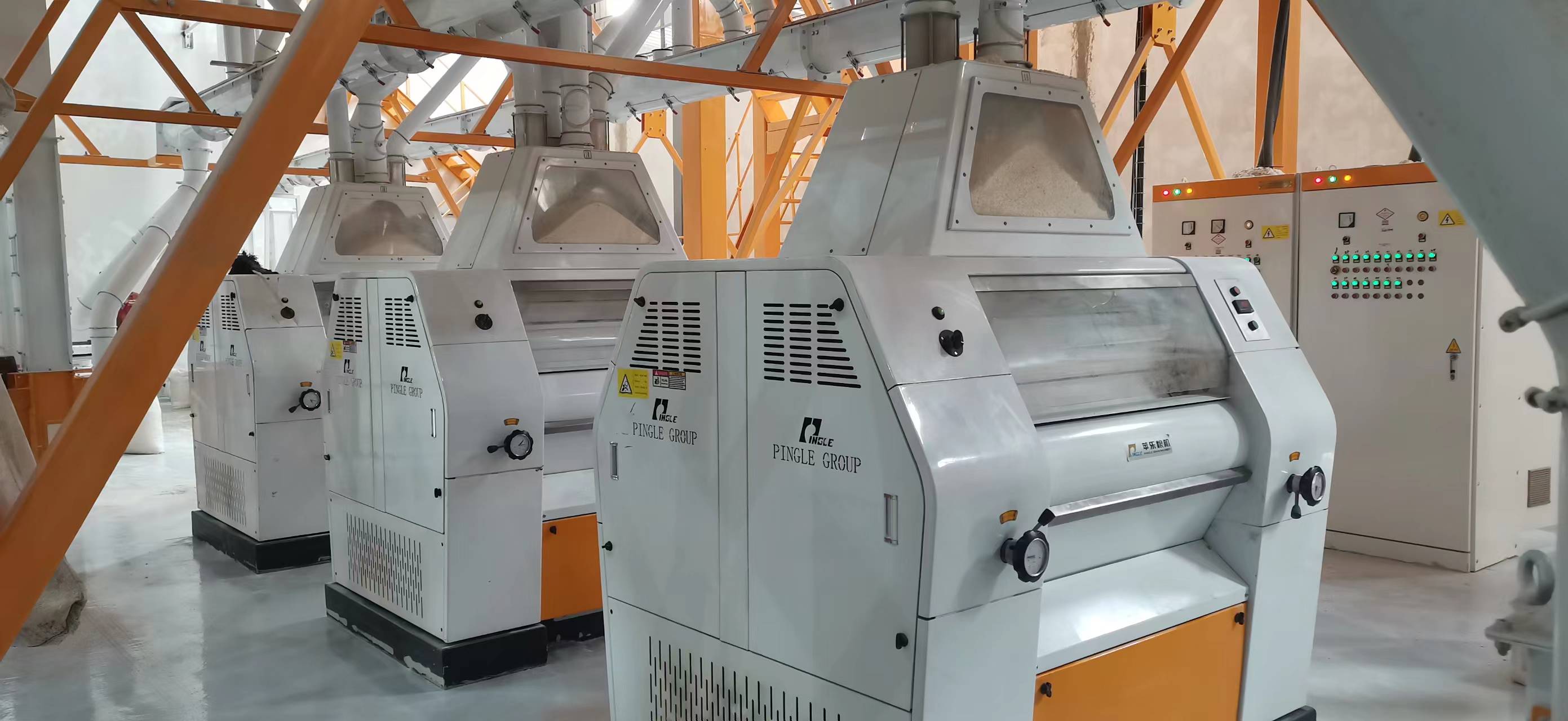
In any milling operation, the rollers aren't just parts that spin—they define the entire outcome. Even a slight deviation in surface finish or geometry can throw off particle distribution, leading to inconsistent product quality. It's why high-performonce rollers are machined to near-perfect concentricity and polished to exact roughness values. When the roller is right, the mill simply hums along, turning out material that meets spec batch after batch.
Material choice for these rollers isn't an afterthought either. Many are forged from hardened alloy steels or layered with wear-resistant coatings like tungsten carbide. The goal is to keep their form under high stress and over thousands of hours, resisting pitting, corrosion, and thermal fatigue. In certain applications, the internal cooling channels are just as critical—by pulling heat away evenly, they prevent hot spots that could warp the roller or scorch the product. It's a careful engineering balancing act that, when done well, is invisible in daily use.
What separates a good mill from a great one is often how well the rollers are maintained and monitored. Regular checks for runout, bearing wear, and surface integrity catch problems long before they hit the final product. Some facilities now embed vibration sensors and thermal cameras into the line, giving operators live feedback on roller condition. This shift toward data-driven upkeep doesn't just extend roller life—it protects the entire process, keeping throughput steady and scrap rates surprisingly low.
Automation with a Human-Led Approach
True efficiency isn’t about replacing people—it’s about empowering them. When we embed human judgment at the core of automation, technology becomes a collaborator, not a controller. This means designing workflows where machines handle repetitive tasks while people focus on decisions that require empathy, creativity, and strategic insight. The goal isn’t to remove the human touch, but to amplify it, ensuring every automated step aligns with real-world values and long-term goals.
A human-led approach to automation starts with understanding the nuances of daily work—context that no algorithm can fully grasp on its own. Instead of forcing rigid rules, we build flexible systems that learn from and adapt to the people using them. For instance, in customer service, automation might surface relevant information instantly, but the final response remains shaped by a person who can read tone, address unspoken concerns, and build genuine connection. This blend keeps interactions authentic while drastically reducing manual drudgery.
Ultimately, putting humans first means automation serves as a bridge to better outcomes, not a barrier to personal engagement. It’s about using technology to handle the predictable so people can tackle the exceptional. When we design with this mindset, we don’t just raise productivity—we create workplaces where innovation and compassion coexist, and where every automated process reflects a thoughtful, human choice.
Energy Efficiency That Doesn’t Compromise Throughput
Modern industrial systems often face a trade-off: slash energy use and watch output suffer, or chase high throughput at the expense of soaring power bills. But this perceived conflict is becoming a relic. Advances in motor design, heat recovery, and intelligent load management now let facilities maintain—or even boost—production volumes while cutting total consumption. For example, variable frequency drives and high-efficiency pumps dynamically adapt to real demand, eliminating wasteful constant-speed operation without ever throttling line speed.
The key lies in scrutinizing every supporting function that feeds the main process. Compressed air, cooling water, and extraction systems often run at fixed capacities regardless of actual need. By installing pressure and flow sensors connected to adaptive controls, these utilities precisely match the instantaneous requirement. This removes the hidden drain that quietly erodes margins, all while ensuring the core production never skips a beat. Plant managers routinely report double-digit percentage reductions in auxiliary power after such retrofits, with zero impact on product output.
Beyond equipment, operational discipline plays a decisive role. Short, targeted training on when to idle and when to ramp down avoids the common habit of leaving machinery running “just in case.” Coupled with energy-aware scheduling—grouping energy-intensive batches to minimize startup losses or leveraging time-of-use rates—the same asset base suddenly delivers more goods per kilowatt-hour. The result is a facility where ambitious environmental targets and demanding production schedules coexist without friction, proving that efficiency and throughput are not rivals but partners in a well-tuned operation.
Designed for Purity: Hygiene Standards in Milling Equipment
True purity in milling starts with the design itself. Every surface, corner, and crevice is engineered to eliminate traps for dust, residue, and microbes. Polished stainless steel, continuous smooth welds, and sloped surfaces ensure that nothing sticks or stagnates. It’s not just about cleaning—it’s about never giving contamination a place to hide in the first place.
Beyond the metal, hygiene lives in the details that often go unseen. Sealed bearing housings, crevice-free shaft seals, and fully drainable systems mean that washdowns are complete and effective, without leaving behind puddles or damp patches that breed bacteria. Even the fasteners are chosen to avoid harboring dirt—flush mounts and capped threads are standard, not an afterthought.
The result is equipment that aligns with the strictest food safety frameworks, from EHEDG to 3-A, without forcing operators into cumbersome procedures. Quick-release guards, tool-free access panels, and intelligent layout transform daily maintenance from a chore into a swift, reliable routine. Purity becomes practical, not theoretical, when the machine works with you to uphold the standard.
Adaptable Systems for Diverse Flour Demands
Flour milling today is not a one-size-fits-all affair. Bakeries, pasta makers, and industrial food producers each work with distinct wheat varieties, extraction rates, and particle-size preferences. An adaptable system lets operators shift seamlessly between soft wheat for cakes and hard durum for semolina without extensive downtime or reconfiguration. Modular sifters, adjustable roll gaps, and flexible pneumatic lines allow a single line to produce everything from whole-grain atta to finely bolted patent flour. The result is a plant that mirrors real-world demand—seasonal spikes, custom blends, and rapid product development cycles all find a home in a setup built for change.
Beyond recipe flexibility, the physical footprint matters. A well-designed adaptable system uses parallel flows and quick-change sieves so that a miller can switch from high-gluten bread flour to low-protein biscuit flour within the same shift. Temperature and humidity sensors feed into an intuitive control panel, automatically adjusting tempering moisture and grinding pressure to keep extraction consistent. This not only protects the starch granules from damage but also preserves the rheological properties that bakers rely on. Instead of commissioning separate lines for each flour type, a single adaptable system reduces capital expenditure while multiplying product possibilities.
The hidden advantage lies in the ability to absorb new grains. As consumer demand pushes toward ancient and heritage grains—spelt, einkorn, emmer—mills without rigid setups can welcome these tougher, huskier kernels without jamming. Intelligent cleaning sections with adjustable aspiration channels handle the extra chaff, while gentle debranning technology strips the outer layers without shattering the brittle endosperm. By designing for adaptability from the start, millers future-proof their operations against shifting nutritional trends and supply-chain surprises, ensuring that whatever the market wants next, their facility is already halfway there.
Built to Endure: Machinery That Keeps Operations Flowing
Every component in this machinery is forged from an obsession with longevity. We don't believe in planned obsolescence—bearings are oversized, seals are double-layered, and stress points are reinforced long before they become fatigue zones. It's the kind of overengineering that means a gearbox runs cool through its third decade, and a drivetrain shrugs off loads that would shear bolts on lesser equipment.
On the factory floor or a remote worksite, downtime isn't just a line item—it's a cascade of lost momentum. That's why these machines are built with a certain brute stubbornness. They take the gritty, unglamorous punishment of daily operation and barely break a sweat. When a hydraulic line in a competitor's unit cracks under pressure, our hoses are still pulsing rhythmically, as if nothing happened. It's not magic; it's just an unwillingness to cut corners.
The real beauty is how this endurance translates into flow. Operations don't lurch or hesitate; they glide because the machinery beneath them refuses to falter. A packaging line hitting 200 units a minute, a conveyor winding through a mine, a pump cycling 24/7 in corrosive brine—all run with a quiet confidence that comes from knowing the iron around them has already proven itself a hundred times over. When a machine is this hard to kill, your process never has to pause for its funeral.
FAQ
They use precision grinding, controlled temperatures, and multi-stage sifting to preserve nutrients and achieve an even granularity, resulting in flour that performs consistently.
Contemporary units integrate real-time monitoring, energy-efficient drives, and enclosed processing paths that minimize contamination and waste while maximizing throughput.
Yes, adjustable roller gaps and customizable sieves allow seamless switching between hard, soft, and heritage varieties without compromising yield or quality.
Compact models now deliver industrial-grade efficiency, reducing labor and utility costs while producing flour that rivals larger competitors, so the return comes quickly.
Materials like hardened alloy steel and replaceable liners resist wear, and internal sensors alert operators to maintenance needs before breakdowns occur.
Automated feeding, cleaning, and packaging reduce human error, keep production lines running 24/7, and let staff focus on quality control rather than repetitive chores.
Conclusion
The heart of any high-performance milling line lies in its grinding rollers. Precision-engineered surfaces maintain consistent particle size reduction, batch after batch, ensuring flour that meets exact specifications. Yet, modern equipment has moved far beyond simple mechanical advantage. Intelligent automation now oversees processes from grain intake to packaging, but it does so with a human-led philosophy: operators retain control over critical adjustments, while the system handles repetitive tasks, reducing fatigue and errors. This balance keeps the mill floor efficient without sacrificing the nuanced judgment that only experienced personnel can provide. Meanwhile, energy consumption—a major operational cost—is tackled head-on through optimized drive systems and clever recirculation designs that slash power use without slowing down throughput. All the while, hygiene remains paramount. From sanitary frame construction to crevice-free surfaces and easy-clean configurations, every component is built to uphold the strictest purity standards, safeguarding the flour from contamination at every stage.
Flexibility is equally vital. A truly professional setup adapts swiftly to shifting market demands, whether producing fine pastry flour, high-gluten bread flour, or wholemeal variants. Modular designs and quick-change sifters allow millers to switch between recipes with minimal downtime, turning versatility into a competitive edge. Underpinning all this is rugged build quality. Heavy-duty bearings, hardened shafts, and corrosion-resistant materials ensure that the machinery endures the relentless demands of 24/7 production, keeping maintenance intervals long and operations flowing smoothly. In the end, it is the seamless integration of these elements—precision, smart automation, energy savings, cleanliness, adaptability, and durability—that defines professional wheat flour machinery. It streamlines the entire milling process, turning raw grain into superior-quality flour with a consistency and reliability that modern markets demand.
Contact Us
Contact Person: Jiakuo Wu
Email: [email protected]
Tel/WhatsApp: +86-13011566087
Website: https://www.pinglemachine.com