

Reliable Diesel Generators: Your Ultimate Power Backup Solution
2026-07-24
When the grid goes down, every second without power can feel like an eternity. Whether you're running a critical business operation, managing a remote construction site, or simply safeguarding your home, a dependable backup plan isn't optional—it's essential. That's where diesel generators come in, combining raw durability with long-run efficiency to keep your world running. But not all generators are created equal. If you've ever been left in the dark by a flimsy unit that overpromises and underdelivers, you know the frustration. It's time to demand more. Enter DINGBO POWER—a name built on engineering resilience and real-world performance. In this post, we'll break down what makes modern diesel generators the ultimate power backup solution, and why choosing the right manufacturer changes everything. Get ready to rethink reliability.
How Diesel Generators Keep Your Business Running 24/7
Power outages don't follow a schedule, and even a brief interruption can grind your operations to a halt. Diesel generators step in the moment the grid fails, automatically detecting the loss and starting up within seconds. This instant response is crucial for businesses like data centers, hospitals, and manufacturing plants where every minute of downtime translates into lost revenue or compromised safety. Unlike other backup options, diesel units are built for heavy-duty, sustained performance, meaning they can handle the full electrical load of your facility without hesitation. Their reliability comes from a simple, proven engine design that thrives under pressure, offering peace of mind when you need it most.
Beyond just filling the gap, these generators ensure your business stays productive around the clock. Modern diesel models are engineered for long-term operation, with rugged components and efficient fuel consumption that allow them to run for extended periods—sometimes days on end—with minimal refueling. Regular maintenance is straightforward, and the fuel itself is stable and readily available, which reduces the risk of unexpected failures. For operations that require true 24/7 uptime, diesel technology integrates seamlessly with building management systems, allowing you to monitor performance and manage loads remotely. This combination of brute strength and smart controls makes diesel generators the backbone of any continuity plan, keeping your doors open and your equipment humming no matter what the grid throws at you.
Choosing the Right Diesel Generator Size for Your Needs
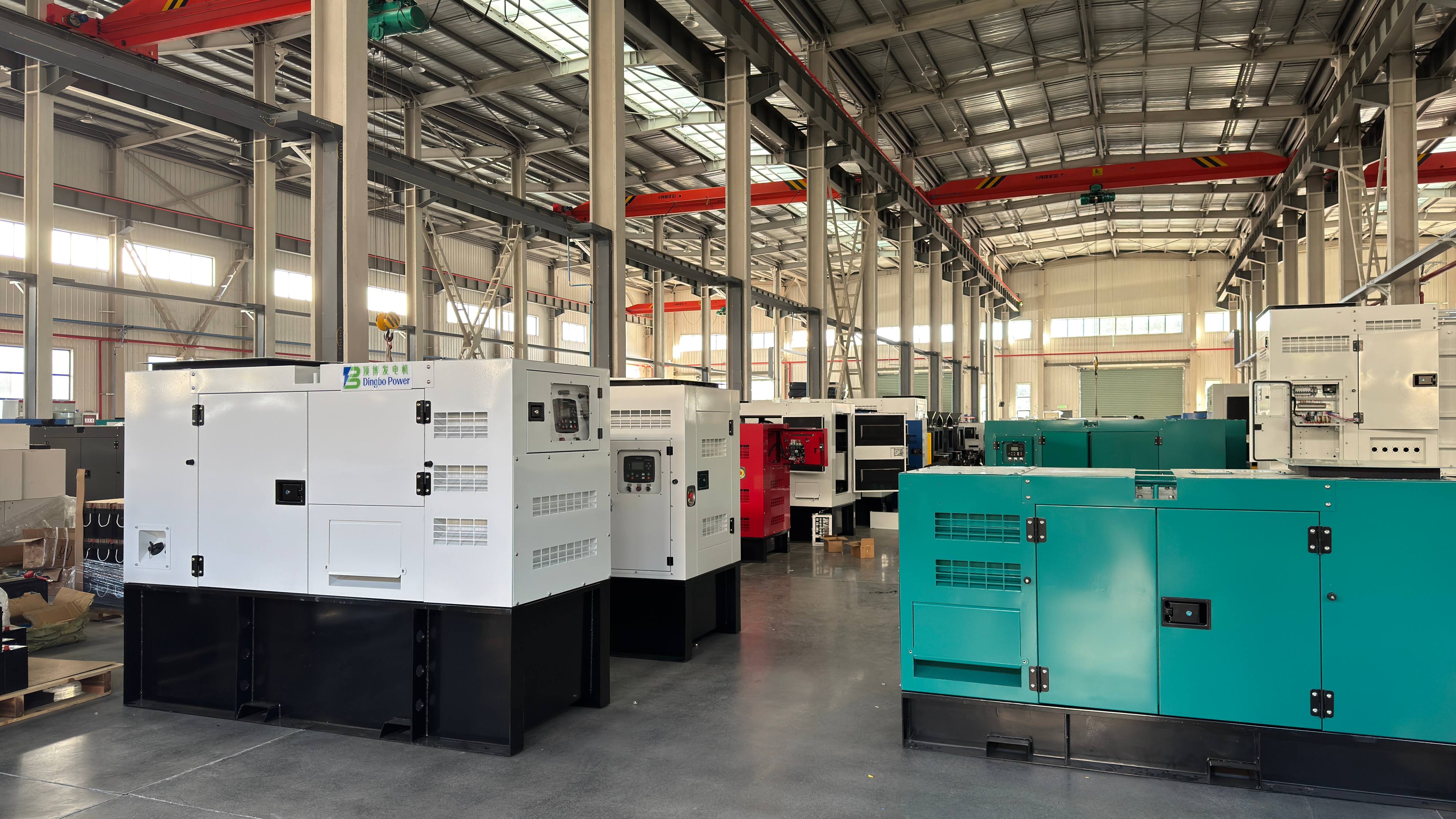
Getting the size wrong can lead to constant issues—either you’ll be dealing with a generator that trips under load or one that runs inefficiently, wasting fuel. Start by listing everything you plan to power during an outage. Pay attention not just to running watts but also to the surge wattage that motors and compressors demand when they kick in. A refrigerator might draw 700 watts normally but spike to over 2,000 at startup. Missing that can leave you in the dark.
After tallying up your loads, add about 20–25% headroom to avoid running the unit near its maximum capacity for long periods. Diesels operate best at around 70–80% load; continuous full-throttle running shortens engine life and increases maintenance needs. Also, think about altitude and temperature derating—a generator rated for sea level can lose noticeable power at higher elevations. Future expansion plans matter too, as adding a few extra circuits later shouldn’t force a complete replacement.
A slightly oversized unit isn’t always a safe bet. Chronic underloading can cause wet stacking, where unburned fuel accumulates in the exhaust system, leading to carbon buildup and poor performance. Finding that sweet spot often means consulting electricians who measure actual demand profiles or using clamp-on meters to log real-world usage patterns over time. This upfront homework ensures you don’t end up with a costly piece of equipment that fails when you need it most.
Fuel Efficiency and Long-Term Cost Savings Explained
Improved fuel efficiency goes beyond simply spending less at the pump each week. It directly translates into long-term savings that accumulate over the lifespan of your vehicle. By burning less fuel per mile, you are effectively reducing the overall cost of ownership, freeing up funds for maintenance, upgrades, or simply keeping more money in your pocket. This financial benefit becomes even more pronounced as fuel prices fluctuate, making efficient vehicles a smarter choice regardless of market conditions.
The mechanics behind fuel economy are straightforward: a car that uses less fuel requires fewer fill-ups, which means less money spent over five, ten, or fifteen years. For instance, comparing a vehicle that achieves 25 MPG with one that reaches 35 MPG, the annual savings can be substantial—often amounting to hundreds of dollars. Over a decade, that difference could translate into thousands, especially when you factor in the rising cost of fuel and the potential for reduced maintenance associated with less engine strain.
Beyond the immediate cash savings, there's a hidden advantage in the form of reduced wear and tear. Efficient engines tend to operate under less stress, which can lead to fewer trips to the mechanic and a longer overall lifespan for your vehicle. This means you can delay expensive replacements, cut down on repair bills, and enjoy a smoother driving experience. When viewed as a whole, fuel efficiency is not just a technical spec—it's a long-term investment that pays dividends every time you hit the road.
Quiet Power: Modern Diesel Generators Without the Noise
Gone are the days when diesel generators announced their presence with a deafening rumble. Today's units are engineered with sound-dampening enclosures that absorb vibration and trap noise, making them surprisingly discreet. Inverter technology further refines tone and volume, allowing for conversation-level operation even at close range. The result is a machine that hums rather than roars, suitable for residential backup or events where ambiance matters.
Manufacturers now prioritize acoustic design from the ground up, using computational modeling to identify and quiet every rattle. Internal components are isolated on rubber mounts, cooling fans are redesigned for silent airflow, and dual-layer casings with foam barriers prevent sound from escaping. This holistic approach means you get reliable power without the background din that once defined diesel generators.
Maintenance Tips to Extend Your Generator’s Lifespan
Treat your generator like the reliable workhorse it is, and it’ll return the favor for years. The secret isn’t just in how often you use it, but in the small, consistent habits you build around its care. Think of it as a partnership—one where a little attention now prevents a complete breakdown when you need it most.
Start with the basics that often get overlooked. Fresh oil is the lifeblood of any engine, so stick to a regular change schedule based on your manual, adjusting for dusty or extreme conditions. Air filters choke up faster than you’d expect, especially on job sites or in storage sheds; a clogged filter forces the engine to work harder, guzzling fuel and shedding efficiency. Spark plugs and fuel stabilizers aren’t glamorous, but they’re the difference between a smooth start and a frustrating morning of pulling the cord.
Long-term storage demands its own ritual. Don’t just shut it down and walk away—stale fuel gums up the carburetor and invites corrosion. Instead, add a fuel stabilizer, run the generator dry, or drain the tank entirely if you’re tucking it away for months. Keep it sheltered from moisture and dust, and give the battery a maintenance charge every few weeks. These quiet steps, taken when the generator is out of sight, ensure it roars back to life without hesitation when the next outage hits or the next project calls.
Why Diesel Remains the Top Choice for Critical Backup Power
When it comes to keeping the lights on during a crisis, diesel generators have earned a reputation that’s hard to beat. The fuel itself stores well long-term, doesn’t degrade as quickly as gasoline, and packs a lot of energy into every gallon. That means facilities can stockpile a reliable supply without constant turnover, and the engines deliver the kind of immediate, heavy-duty response that hospitals, data centers, and water treatment plants demand when seconds count.
Beyond just availability, diesel engines are built for endurance. They run cooler, operate at lower RPMs, and don’t rely on complex spark-ignition systems that can fail under sustained load. This simplicity translates into fewer breakdowns, longer service intervals, and the ability to churn out full-rated power hour after hour with minimal fuss. For critical infrastructure that can’t afford even a flicker, that mechanical toughness is a quiet, steadfast reassurance.
There’s also the matter of how diesel power integrates into existing infrastructure. Most backup systems are already designed around it, and the global network of fuel suppliers, maintenance crews, and parts makes it a practical, no-surprises choice. Alternatives come with their own trade-offs—battery storage fades, natural gas lines can be disrupted, and hydrogen is still piecing together its supply chain. Diesel, for all its old-school reputation, remains the workhorse that shows up ready, every time.
FAQ
Diesel engines are built for endurance. They ignite fuel through compression rather than spark plugs, which means fewer parts to fail. That simplicity translates into a longer lifespan and the ability to kick in right when you need them, even after sitting idle for months.
Start by listing everything you plan to run simultaneously during an outage. Add up the starting watts (the surge needed to get motors going) and the running watts. Don't just guess—appliances like refrigerators and pumps often need 2–3 times their rated power to start. A slight oversize is safer than pushing a unit to its limit.
Think of it like a car that mostly sits in the garage. Regular oil and filter changes, fuel system checks, and load testing every few months prevent surprises. Diesel can degrade if it sits too long, so a fuel stabilizer and periodic cycling are wise moves. The manual is your friend here.
They've come a long way from the noisy, smoke-belching machines of the past. Modern residential units are quieter, cleaner, and often housed in sound-attenuated enclosures. If you rely on medical devices, sump pumps, or a home office, a properly sized diesel generator can be a comfortable fit with an automatic transfer switch.
It depends on the fuel tank and the load, but many can churn for 24 hours straight or more on a single tank. Some are built for continuous duty in remote locations, running for days with fuel top-ups. Just respect the thermal limits and take cooling-down breaks if the manufacturer recommends them.
Exhaust is deadly, so outdoor placement with at least 15–20 feet of clearance from doors and windows is non-negotiable. Proper grounding prevents shocks. Never refuel a hot engine, and use heavy-duty cords rated for the load. Carbon monoxide detectors inside the home add a crucial safety net.
They can be stubborn in the cold because diesel thickens into a gel. But that's easily overcome. Use winter-blend fuel, keep the battery charged and warm, and consider a block heater. With those steps, a quality generator fires up reliably even when the mercury plummets.
Conclusion
When the grid fails, a reliable diesel generator becomes the heartbeat of your operation. Unlike other backup solutions, modern diesel units deliver continuous, robust power that keeps essential systems alive—from hospital life-support equipment to data center servers—without missing a beat. Sizing is everything; a unit too small struggles under load, while an oversized one wastes fuel. By matching your actual wattage needs (with a margin for startup surges), you ensure seamless 24/7 protection without overinvesting. Today’s diesels are also remarkably efficient, squeezing more kilowatts from every gallon and cutting long-term ownership costs through lower fuel consumption and durable, low-wear components.
What surprises many is how quiet modern generators have become. Advanced sound-dampening enclosures and precision engineering reduce noise to a background hum, so your business or neighborhood stays peaceful even during extended outages. To keep that performance reliable for decades, simple maintenance habits—like regular oil changes, coolant checks, and monthly test runs under load—prevent costly failures and extend engine life. Ultimately, diesel remains the gold standard for critical backup because of its instantaneous response, fuel availability, and sheer dependability in extreme conditions. Whether facing a storm, grid instability, or peak demand, a well-chosen diesel generator isn't just a purchase—it's your power insurance, ready to perform when nothing else will.
Contact Us
Contact Person: Rita
Email: [email protected]
Tel/WhatsApp: +8613481024441
Website: https://www.dbdieselgenerator.com/