

Sprockets in Agriculture: Your Ultimate Buying Guide for Strength and Durability
2026-03-09
In the world of agriculture, every component counts, and sprockets are no exception—they're the unsung heroes driving efficiency and reliability in heavy machinery. If you're looking for solutions that combine strength and durability to withstand the toughest conditions, you've come to the right place. This guide dives deep into what makes high-quality sprockets essential, offering practical insights to help you make informed buying decisions. And when it comes to top-tier performance, Raydafon stands out, delivering products engineered to exceed expectations. Ready to explore how the right sprocket can transform your agricultural operations? Let's get started.
Understanding Sprocket Types for Agricultural Machinery
Agricultural machinery relies heavily on sprockets to transfer power efficiently across various components, from tillers to harvesters. These sprockets come in a range of types, each tailored for specific tasks and conditions on the farm. For instance, roller chain sprockets are common due to their durability and ability to handle heavy loads, making them suitable for high-torque applications like plowing. On the other hand, silent chain sprockets offer smoother operation with less noise, which can be beneficial in equipment where vibration reduction is key, such as in precision planting systems. Understanding these basic distinctions helps farmers and mechanics choose the right sprocket to maximize machinery performance and longevity.
Beyond the standard varieties, specialized sprockets play a crucial role in modern agriculture. Taper-lock sprockets, for example, allow for easy installation and removal without needing to dismantle entire shafts, saving valuable time during maintenance in busy seasons. Split sprockets are another innovative type that can be assembled around existing shafts, reducing downtime when replacements are necessary. By considering factors like material composition—such as hardened steel for wear resistance or plastic for lighter applications—operators can further customize their setups. This knowledge empowers agricultural workers to adapt their machinery to diverse crops and terrains, from rocky fields to wet paddies.
In practice, selecting the appropriate sprocket involves balancing factors like pitch size, tooth count, and compatibility with chains or belts. A mismatched sprocket can lead to inefficient power transfer, increased fuel consumption, or even equipment failure. For instance, in grain augers, using sprockets with the correct pitch ensures smooth material flow without jams. By staying informed about advancements, such as corrosion-resistant coatings for humid environments or modular designs for easy upgrades, farmers can future-proof their investments. Ultimately, a deep grasp of sprocket types not only enhances operational efficiency but also contributes to sustainable farming by minimizing waste and downtime.
Key Features to Assess Durability and Strength
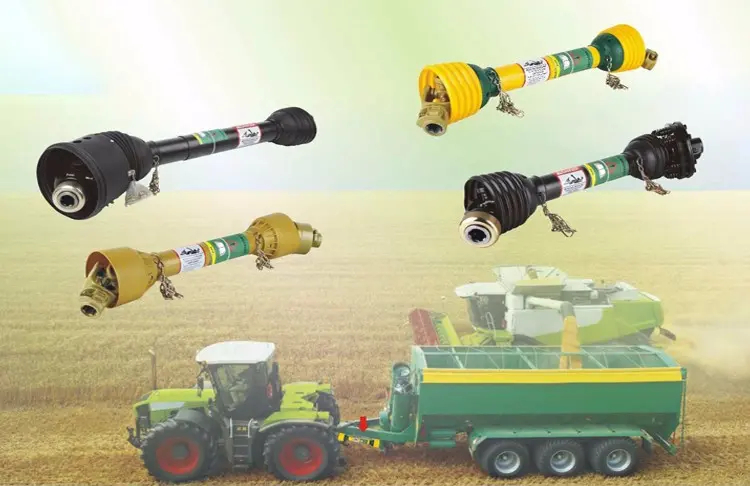
When evaluating materials or products for their ability to withstand wear and tear, it's crucial to look beyond mere surface appearances. Pay close attention to the composition and construction details, as these often reveal hidden strengths or vulnerabilities. For instance, in metals, factors like grain structure and alloy mixtures play a significant role in resisting corrosion and fatigue over time. Similarly, in textiles, the thread count and weave pattern can determine how well a fabric holds up against repeated use and washing.
Testing methodologies are another essential aspect to consider, as they provide concrete data on performance under stress. Standardized tests, such as tensile strength or impact resistance assessments, offer quantifiable metrics that help compare different options objectively. However, it's beneficial to also explore real-world simulations that mimic actual usage conditions, as these can uncover weaknesses not evident in controlled lab environments. This dual approach ensures a comprehensive understanding of how well a product or material will endure in practical scenarios.
Finally, user feedback and long-term reviews can offer invaluable insights that lab tests might miss. Observing how items perform under diverse environmental conditions or with varying levels of maintenance can highlight their true durability. By combining technical specifications with experiential evidence, you gain a more nuanced perspective on strength and longevity, making it easier to select options that truly stand the test of time.
Materials and Manufacturing Techniques for Longevity
When we think about making products that last, our choices in materials play a starring role. Imagine a kitchen knife forged from high-carbon stainless steel, which not only holds a sharp edge through countless meals but also resists rust and corrosion naturally—a far cry from the cheaper, flimsier alternatives that need replacement every few years. This material selection isn’t just about picking the strongest option; it’s about balancing durability with other factors like weight, sustainability, and aesthetics. For instance, titanium might be incredibly tough and light, but it’s often reserved for specialized applications due to cost, while weather-resistant woods or advanced composites can offer long life in furniture or outdoor gear without breaking the bank. By understanding how different materials age—whether they’re prone to cracking, fading, or degrading in specific environments—designers can craft items that endure daily wear and tear gracefully.
Manufacturing techniques are the secret sauce that brings these resilient materials to life, turning raw potential into tangible longevity. Take the art of precision casting, used in creating durable engine components that withstand extreme heat and pressure without warping, or the meticulous hand-stitching in high-end leather goods that prevents seams from unraveling over decades. It’s not just about using fancy tools; it’s about processes like heat-treating metals to enhance their strength, applying multiple layers of protective coatings to shield against the elements, or employing quality control checks that catch flaws early. In the world of electronics, soldering methods that prevent cold joints can mean the difference between a gadget that lasts years versus one that fails prematurely. These techniques often require a blend of modern automation and skilled craftsmanship, ensuring each piece is built to a standard that prioritizes endurance over speed.
The real magic happens when materials and manufacturing techniques are combined thoughtfully, creating products that not only survive but thrive through years of use. Consider a well-made pair of boots, where water-resistant leather is paired with reinforced stitching and durable soles, crafted in a way that allows for easy repairs rather than disposal. This approach contrasts sharply with fast-fashion items, which might use inferior fabrics and rushed assembly, leading to quick deterioration. By focusing on longevity, manufacturers can reduce waste and offer consumers better value, fostering a culture where we invest in fewer, higher-quality things. It’s a shift that demands innovation—like developing new alloys or eco-friendly production methods—but pays off in heirlooms that tell stories across generations, proving that durability isn’t just a feature; it’s a philosophy woven into every step of creation.
Compatibility with Different Farming Equipment
In today's diverse agricultural landscape, compatibility with various farming equipment is crucial for maximizing efficiency and reducing downtime. Our products are engineered to integrate seamlessly with a wide array of tractors, harvesters, and implements from major brands like John Deere, Massey Ferguson, and Case IH, ensuring farmers can easily incorporate them into their existing setups without costly modifications. This flexibility supports both small-scale operations and large commercial farms, adapting to evolving technology trends while maintaining reliability.
Beyond basic fitting, we focus on enhancing performance through smart compatibility features. For example, our attachments include adjustable mounting brackets and universal connectors that allow for quick swaps between different machines, minimizing setup time during busy seasons. This approach not only boosts productivity but also helps farmers manage resources more effectively, as they can use one piece of equipment across multiple tasks, reducing the need for specialized tools.
To ensure long-term usability, we regularly update our compatibility protocols based on user feedback and industry advancements. Our team collaborates with equipment manufacturers to test new models, guaranteeing that our products stay ahead of the curve. Whether you're upgrading old machinery or investing in the latest innovations, our solutions provide a dependable link that adapts to your specific farming needs, fostering sustainability and cost-efficiency in the field.
Maintenance Tips to Extend Sprocket Lifespan
To keep your sprocket in top shape for years, regular lubrication is key. Use a quality chain lube that matches your riding conditions—whether you're tackling dusty trails or cruising on smooth pavement. Apply it evenly along the sprocket's teeth, wiping off excess to prevent grime buildup and corrosion. This simple step reduces friction and wear, ensuring smoother gear shifts and prolonging the sprocket's life significantly.
Inspect your sprocket frequently for signs of wear, like hooked or sharpened teeth. If you notice uneven patterns or excessive play with the chain, it's time to consider replacement to avoid damaging other components. Also, clean the sprocket after rides using a soft brush and mild degreaser to remove dirt and debris, which can accelerate wear if left unchecked. Pair this with proper chain tension adjustments to maintain optimal performance and prevent premature failure.
For long-lasting results, replace both the sprocket and chain as a set, as mismatched components can lead to faster degradation. Consider your riding style too—aggressive use might require more frequent checks. By integrating these practices into your routine, your sprocket will deliver reliable performance mile after mile, saving you money and hassle in the long run.
Cost-Effective Buying Strategies for Farmers
Farmers looking to stretch their budgets without sacrificing quality often turn to a few tried-and-true methods to save on essentials. One of the most straightforward approaches is to purchase inputs like seeds, fertilizers, and equipment in bulk directly from suppliers or through cooperatives, which can lead to significant discounts and reduced per-unit costs. By planning ahead for the season and coordinating with neighboring farms, you can pool orders to meet minimum quantity requirements, making bulk buying more accessible. Additionally, exploring off-season or end-of-line deals on machinery can yield substantial savings, as suppliers often clear inventory to make room for newer models. This strategy requires a bit of flexibility in timing but pays off by keeping capital expenditures in check.
Another key tactic involves leveraging local networks and community resources to cut costs. Joining or forming buying groups with fellow farmers allows for collective bargaining power, enabling you to negotiate better prices with vendors that might otherwise be out of reach for individual operations. Don't overlook the potential of buying used or refurbished equipment from reputable dealers or auctions; many items are still in great condition and come at a fraction of the price of new ones. It's also wise to regularly compare prices across different suppliers and regions, as market fluctuations can create opportunities for savings on inputs like feed or pesticides. By staying informed and proactive, farmers can make purchases that align with both their financial goals and production needs.
To further enhance cost-effectiveness, consider adopting a more strategic approach to inventory management and input selection. For instance, investing in durable, multi-purpose tools or equipment that require less frequent replacement can reduce long-term expenses, even if the initial cost is higher. Exploring alternative or locally sourced inputs might also offer savings while supporting sustainability, such as using compost or cover crops instead of pricier synthetic fertilizers. Keep an eye on government grants, subsidies, or tax incentives available for agricultural purchases, which can offset costs significantly. By combining these methods with a keen eye for value, farmers can build a buying strategy that not only saves money but also contributes to a more resilient and efficient farm operation.
FAQ
Look for sprockets made from hardened steel for enhanced strength, corrosion-resistant coatings to withstand harsh environments, and precise tooth profiles that ensure smooth operation with minimal wear on chains.
Check your equipment's manual for specifications, measure the shaft diameter and keyway dimensions, and count the number of teeth needed to match your chain's pitch and ensure proper gear ratios for efficient power transfer.
Yes, high-quality sprockets designed for agriculture typically feature reinforced hubs and robust construction, tested to endure extreme stresses from heavy machinery like tractors and harvesters over long periods.
Regularly clean sprockets to remove dirt and debris, lubricate them to reduce friction and prevent rust, and inspect for signs of wear like tooth deformation or cracks, replacing parts promptly to avoid breakdowns.
For plowing or tilling, opt for heavy-duty sprockets with larger teeth; for lighter tasks like irrigation systems, standard sprockets suffice. Taper-lock designs offer easy installation and removal versatility.
Moisture and chemicals in fields can cause rust and corrosion, so choose sprockets with protective finishes like zinc plating or powder coating, and store them in dry areas when not in use to maintain integrity.
Avoid misaligning sprockets with the chain, overtightening bolts which can damage shafts, and using incompatible parts—always follow manufacturer guidelines and ensure proper tension to prevent premature wear.
Source from reputable manufacturers or agricultural supply stores that provide certifications and warranties, and check online reviews for user feedback on performance and longevity under real-world farming conditions.
Conclusion
Navigating the world of agricultural sprockets starts with recognizing their diverse types tailored to specific machinery needs, from simple idlers to complex drive sprockets. Understanding these variations is crucial because it directly impacts compatibility with different farming equipment, ensuring seamless integration and optimal performance. Beyond just fitting, assessing key features like tooth design, hardness, and load capacity reveals the true markers of durability and strength, which are non-negotiable in the demanding agricultural environment where wear and tear are constant challenges.
Equally important are the materials and manufacturing techniques behind sprockets; high-quality alloys and precision forging or heat treatment processes significantly enhance longevity, making them resilient against harsh conditions. To maximize this durability, implementing regular maintenance tips—such as proper lubrication, alignment checks, and timely inspections—can dramatically extend sprocket lifespan, preventing costly breakdowns. For farmers, adopting cost-effective buying strategies means balancing initial investment with long-term value, focusing on reputable suppliers, bulk discounts, and warranty options to secure robust sprockets that withstand the rigors of farming without compromising on efficiency or budget.
Contact Us
Contact Person: Mr. Shen
Email: [email protected]
Tel/WhatsApp: +86-574-87168065
Website: https://www.transmissions-china.com/