

Tactile Paving OEM: Innovative Solutions for Accessible Urban Infrastructure
2026-03-29
As cities evolve to become more inclusive and accessible, the importance of tactile paving has never been more prominent. This blog dives into the world of Tactile Paving OEM, showcasing innovative solutions that are transforming urban infrastructure for the visually impaired and mobility-challenged individuals. With a focus on cutting-edge designs and durable materials, we explore how these elements create safer, more navigable public spaces. At the forefront of this movement is Beata Ceramics, a brand committed to blending functionality with aesthetic appeal. Their pioneering approach not only enhances accessibility but also elevates the urban landscape. Join us as we uncover the latest trends and breakthroughs that are set to revolutionize the way we build inclusive cities, ensuring that every step forward is a step toward a more connected and compassionate world.
Enhancing City Walkways with Custom Tactile Paving Systems
Custom tactile paving systems are revolutionizing urban navigation by offering tailored solutions that address specific environmental challenges and user needs. Unlike standard designs, these bespoke systems integrate materials and patterns based on local climate, foot traffic, and aesthetic goals, enhancing both safety and visual appeal. For instance, in areas prone to heavy rain, non-slip textures can be prioritized to prevent accidents, while vibrant colors might be used to complement architectural styles, making walkways more engaging for pedestrians.
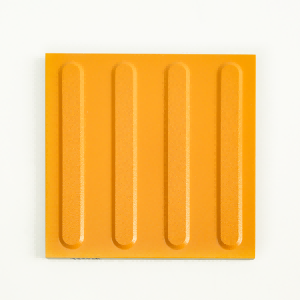
A key advantage of custom systems is their ability to improve accessibility for individuals with visual impairments or mobility issues. By strategically placing tactile indicators—such as truncated domes or directional bars—at critical points like crosswalks and transit stops, cities can create intuitive pathways that reduce reliance on aids. This personalized approach often involves community input, ensuring designs reflect the preferences of residents and visitors alike, fostering a sense of ownership and inclusivity in public spaces.
Beyond functionality, custom tactile paving contributes to sustainable urban development by utilizing durable, eco-friendly materials that withstand wear and reduce maintenance costs. Innovations like recycled rubber or permeable pavers help manage stormwater runoff, aligning with green infrastructure initiatives. As cities evolve, these adaptive systems offer a scalable framework for enhancing walkways, proving that thoughtful customization can transform mundane paths into dynamic, user-centric environments that prioritize safety and accessibility for all.
How OEM Partnerships Drive Inclusive Urban Design Innovations
OEM partnerships are reshaping urban design by bringing together manufacturers, city planners, and communities to co-create solutions that prioritize accessibility and equity. For example, collaborations between automotive suppliers and transit agencies have led to smart, adaptive traffic systems that enhance mobility for all residents, including those with disabilities, by integrating real-time data and user-friendly interfaces.
By leveraging OEM expertise in materials and technology, cities can develop cost-effective, scalable innovations like safer pedestrian zones or energy-efficient public lighting, which directly address diverse urban needs. This synergy not only accelerates implementation but also ensures designs are practical and sustainable, moving beyond theoretical models to tangible improvements in daily life.
Ultimately, these partnerships foster a more responsive urban environment where innovation is driven by inclusive goals, making cities not just smarter but more humane and connected for everyone.
Leading Tactile Solutions That Transform Public Spaces for All
When cities embrace tactile solutions, they're not just adding physical features like Braille signs or textured pavements; they're creating environments where everyone feels included, regardless of ability. Imagine walking through a park where the pathways guide you with subtle cues underfoot, or entering a museum where information is accessible at your fingertips, not just visually. This approach transforms spaces into truly public realms, fostering independence and dignity for all users.
By integrating tactile elements into urban design, communities bridge gaps between diverse populations, enhancing safety and navigation in ways that go beyond basic compliance. It's about crafting experiences that resonate with everyone, from children learning to explore to seniors seeking confidence in movement. These solutions often blend seamlessly with aesthetics, proving that functionality and beauty can coexist to enrich public life without standing out as mere add-ons.
Looking ahead, the evolution of tactile technology promises even more personalized interactions, adapting to individual needs in real-time. Whether through smart surfaces that respond to touch or intuitive layouts that simplify complex spaces, the goal remains constant: to make our shared environments more intuitive, welcoming, and transformative for all.
Advanced Materials and Durability in Modern Accessibility Paving
In the realm of contemporary urban design, selecting advanced materials for accessibility paving isn't just about meeting basic standards—it's about crafting resilient surfaces that endure heavy foot traffic and harsh weather while maintaining a polished aesthetic. These materials, such as permeable concrete, rubberized asphalt, or composite tiles, are engineered to reduce slip hazards and provide consistent traction for wheelchairs and walkers. By integrating recycled components or sustainable resins, cities can merge durability with eco-consciousness, ensuring that pathways remain functional for decades with minimal maintenance.
Durability extends beyond mere longevity; it's about adaptability to diverse environments. Modern paving solutions often incorporate UV-resistant coatings and anti-icing agents to combat extreme temperatures, preventing cracks and surface degradation. This robust construction not only enhances safety by minimizing tripping hazards but also reduces long-term costs, as fewer repairs mean less disruption for public spaces. The result is a seamless blend of practicality and innovation, making urban areas more welcoming for all without sacrificing style.
Streamlining Urban Projects with Tailored OEM Tactile Products
In the bustling world of urban development, it's easy to get lost in grand designs and high-tech solutions. However, the subtle yet crucial role of tactile products often goes overlooked. By tailoring OEM tactile solutions—think custom-designed Braille signage, tactile paving, or textured surfaces—city planners can bridge the gap between accessibility and aesthetic appeal, ensuring that public spaces work for everyone, from visually impaired individuals to the general populace.
What sets tailored OEM options apart is their ability to seamlessly integrate into unique architectural visions. Unlike off-the-shelf products that might disrupt a project's flow, customized tactile elements can enhance safety and navigability without compromising style. Imagine a modern transit hub where tactile indicators blend with sleek flooring materials, or a historic district where discreet, durable tactile strips guide visitors without detracting from the area's charm. This bespoke approach not only meets regulatory standards but elevates the user experience, making projects more inclusive and memorable.
Ultimately, streamlining urban projects with these tailored solutions is about foresight and efficiency. Early collaboration with OEMs can preempt costly retrofits and delays, embedding tactile features from the ground up. This proactive strategy fosters safer, more intuitive environments, reducing maintenance headaches and boosting community satisfaction. In a competitive landscape, cities that prioritize such personalized touches don't just build infrastructure—they craft resilient, welcoming spaces that stand out for their thoughtful design and practical benefits.
Future-Ready Designs for Safe and Navigable Pedestrian Areas
Imagine a city where every step you take is guided by intuitive design, prioritizing safety and seamless movement. Future-ready pedestrian areas are not just about widening sidewalks or adding crosswalks; they integrate smart technologies like embedded sensors that monitor foot traffic in real-time, automatically adjusting lighting and signage to prevent congestion. This proactive approach uses data analytics to predict peak hours and reroute pedestrian flows, ensuring that walkways remain clear and accessible even during bustling events. Materials innovation also plays a key role, with slip-resistant surfaces and adaptive pavements that respond to weather changes, reducing accidents in rain or snow. By blending these elements, cities can create environments where people feel secure and empowered to explore on foot, fostering a culture of walking over driving.
Navigation in these spaces goes beyond traditional maps, incorporating augmented reality apps that overlay directions onto your smartphone screen as you walk. These tools highlight the safest routes, avoid construction zones, and suggest points of interest, making urban exploration effortless. Inclusivity is at the heart of future-ready designs, with features like tactile paving for visually impaired individuals and adjustable curb heights for strollers and wheelchairs. Community input shapes these plans, as residents share their experiences to tailor designs to local needs, ensuring that pedestrian areas serve everyone from commuters to tourists. This holistic approach transforms ordinary walkways into dynamic hubs that enhance daily life, proving that thoughtful design can make cities more livable and connected.
Ultimately, future-ready pedestrian designs redefine urban mobility by emphasizing well-being and environmental sustainability. Green corridors lined with native plants improve air quality and provide shade, while pedestrian-only zones reduce noise and pollution from vehicles. These areas become social catalysts, encouraging casual interactions and supporting local businesses through increased foot traffic. By investing in such forward-thinking infrastructure, cities can build resilient communities that adapt to evolving challenges like climate change and population growth, ensuring that pedestrian areas remain safe and navigable for generations to come.
FAQ
Tactile Paving OEM focuses on designing and manufacturing customized tactile paving systems, tailored to meet specific urban accessibility needs rather than offering generic solutions.
They incorporate advanced materials and smart designs, like durable polymers and color contrasts, which improve safety and navigation for visually impaired individuals in cities.
OEM allows for bespoke solutions that fit unique urban layouts and local regulations, ensuring better integration and long-term effectiveness than off-the-shelf options.
Common materials include high-strength concrete, recycled rubber composites, and UV-resistant plastics, chosen for durability and environmental sustainability.
Yes, designs are adaptable to harsh weather conditions, from freezing temperatures to intense heat, making them suitable for diverse global urban environments.
They aid not only the visually impaired but also elderly and mobility-limited users, fostering inclusive public spaces and compliance with accessibility standards.
It involves site assessment, custom design approval, precision manufacturing, and professional installation by trained crews to ensure optimal performance and safety.
While initial costs might be higher, OEM solutions offer long-term savings through reduced maintenance, better durability, and improved urban efficiency.
Conclusion
Tactile paving Original Equipment Manufacturer (OEM) solutions are revolutionizing accessible urban infrastructure by providing custom systems that enhance city walkways and transform public spaces for all. These innovative partnerships drive inclusive urban design, leveraging advanced materials and durability to create modern accessibility paving. By tailoring OEM tactile products, projects become streamlined, ensuring that pedestrian areas are safe, navigable, and future-ready. This focus on customizable and durable designs fosters environments where everyone, including those with visual impairments, can move with confidence and ease.
The integration of tactile paving into urban planning showcases a commitment to inclusivity, with OEM collaborations leading the way in developing solutions that go beyond mere compliance. These systems not only improve safety and navigation but also contribute aesthetically to public spaces, blending functionality with design. As cities evolve, the emphasis on innovative tactile paving ensures that urban infrastructure remains adaptable and welcoming, paving the path toward more accessible and equitable communities for generations to come.
Contact Us
Contact Person: Emma
Email: [email protected]
Tel/WhatsApp: 8618064423698
Website: https://www.beataceramics.com/