

Top 10 UL FM Alarm Check Valves for Reliable Fire Protection
2026-09-13
Fire protection isn't just about having valves—it's about having the right ones when seconds count. UL and FM approvals set the baseline, but the devil is in the details like pressure loss, clapper design, and long-term reliability. Among the contenders, DRIFCO has carved out a reputation for valves that hold up under brutal conditions, yet the market is flooded with options claiming the same. So which alarm check valves actually deserve a spot in your riser room? We've narrowed down the top 10 UL/FM-listed models that balance performance, maintenance ease, and real-world durability—starting with the names you'll actually see on job sites, not just spec sheets.
Where Alarm Check Valves Fit in a Modern Fire Protection Setup
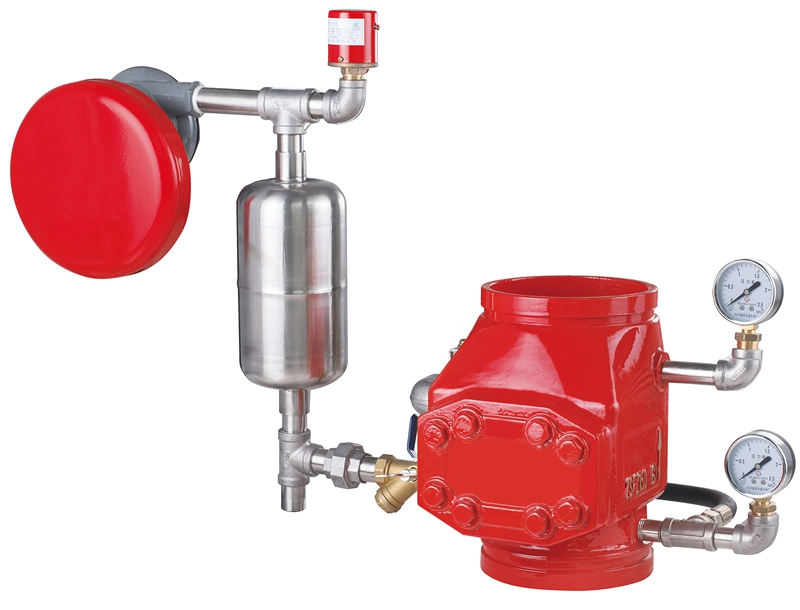
Alarm check valves occupy a specific niche in contemporary fire protection systems, acting as the quiet gatekeeper between a building's water supply and its sprinkler network. Unlike standard check valves that merely prevent backflow, these devices serve a dual purpose: they keep water primed and ready within the sprinkler piping while simultaneously triggering a local alarm the moment flow begins. In a modern setup, you'll typically find them installed directly on the riser of a wet pipe sprinkler system, where their role is to distinguish between a minor pressure fluctuation and an actual sprinkler discharge.
Their placement is strategic, bridging the municipal feed or fire pump output with the network of pipes that snake through ceilings and walls. That position allows them to sense the sudden drop in pressure that occurs when a sprinkler head fuses open, activating a water motor gong or pressure switch without requiring any external power source. This mechanical alert remains valuable even in buildings equipped with advanced electronic monitoring, because it provides a reliable, fail-safe layer of notification that operates independently of software or wiring.
Modern fire protection layouts often integrate alarm check valves with backflow preventers, control valves, and flow switches to create a layered safety architecture. While they rarely grab attention in equipment rooms, their presence is essential for code compliance and for giving first responders an immediate, localized signal of water movement. In an era of smart buildings and networked sensors, the alarm check valve remains a rugged, low-maintenance component that continues to prove its worth at the heart of wet pipe systems.
Reading the UL and FM Marks Without Falling for Marketing Hype
A UL mark isn't a blanket endorsement of a product's quality, and an FM mark doesn't mean the same thing either. Each mark applies to a very specific component, system, or condition. When a catalog pulls one of these logos to the front page, the first thing worth checking is the exact wording next to it — because "UL Listed" can cover a fire pump while "UL Recognized" might only apply to a tiny relay inside that pump.
Another trap is assuming that a mark means the product passed a test under conditions similar to yours. FM approvals, for instance, are often tied to installation scenarios, not just the device in isolation. A valve may carry an FM mark for use in a sprinkler riser, but that doesn't automatically transfer to a fuel storage line. Reading the fine print on the approval certificate reveals the rated pressure, temperature, and intended hazard.
Finally, ignore the adjectives that marketers pile on top of the logo. Terms like "heavy-duty," "industrial-grade," or "100% compliant" add no technical weight. The marks speak through their scope statements and standards numbers — such as UL 448 or FM 1630 — not through adjectives. If the product sheet buries those details or misuses "and" between two unrelated certifications, treat the omission as a warning, not an oversight.
Why Some Valves Trip Too Early and Others Stay Silent Too Long
In many plants, early tripping traces back to a set pressure that has drifted downward. A spring can lose tension after thousands of cycles, or someone may have adjusted the valve during a previous shift without recording the change. Slight inlet pressure spikes from pump starts or flow reversals then shove the disc off its seat well before the intended relief point.
Valves that stay quiet usually suffer from sticky internals or rising backpressure. Dirt, polymer buildup, or corrosion on the guide surfaces keeps the disc seated while pressure climbs. A partially blocked vent or a shared discharge header can push backpressure high enough that the valve’s actual opening point shifts well above its nameplate setting. The valve may move freely on a test bench but stay silent under real loads.
What makes both situations hard to catch is that neither produces a complete failure. The valve still opens, just at the wrong moment. Routine pop tests only confirm that the valve opens, not that it opens at the right pressure. Pulling a few valves from critical service and checking their actual lift pressure against current process conditions usually reveals whether premature trips or silent operation is the bigger risk.
The Hidden Costs of Choosing the Wrong Pressure Rating
When a pressure rating is selected based on upfront price rather than actual system conditions, the real expense often arrives later. A valve or fitting rated too low may hold initially, but repeated pressure spikes and thermal cycling gradually weaken seals and body material. The first sign is usually a small leak, which gets patched instead of addressing the root cause. Each repair call, replacement part, and hour of unscheduled downtime chips away at any initial savings. Over time, what looked like a smart purchase becomes a recurring operational drain.
There's also the cost of collateral damage. A component that fails under excessive pressure rarely fails alone. Fluid or gas escaping at high pressure can damage adjacent equipment, contaminate product batches, or create safety hazards that require immediate shutdowns. In regulated industries, using a pressure rating that doesn't match the documented system parameters can trigger compliance violations and expensive re-inspections. These secondary effects often dwarf the price difference between a correctly rated component and an under-specified one.
Even choosing a rating that's too high isn't free of hidden costs. Oversized pressure ratings usually mean thicker walls, heavier bodies, and larger footprints, which can raise material costs, require stronger support structures, and complicate installation in tight spaces. In some flow systems, an over-rated component may also alter internal geometry enough to create turbulence or pressure drop, reducing overall system efficiency. The real financial impact of a pressure rating choice is rarely visible on the purchase order; it accumulates quietly through maintenance logs, energy bills, and unplanned outages.
Install and Forget? What Actually Happens After Years of Service
The phrase “install and forget” gets tossed around a lot, but real equipment rarely works that way. After a few years of daily use, you start noticing small shifts—lag in response times, seals that don't quite seat the same, or a faint hum that wasn't there before. These aren't failures; they're just the fingerprints of time. Most systems don't break suddenly. They drift, and the drift is easy to miss until it becomes expensive.
What actually happens is a slow conversation between the machine and its environment. Thermal cycles loosen fittings. Dust settles in places nobody thought to protect. Lubricants break down, not because they were cheap, but because heat and oxygen are relentless. Even software that never changes starts to feel dated—not broken, just out of step with the people using it. The idea that you can set something up and walk away ignores how physical systems actually age.
The good news is that most of this is predictable. A bearing wears at a known rate. A filter loads in a pattern you can chart. The trick isn't constant monitoring or endless maintenance. It's knowing which small signs matter and which ones are just noise. After a few years, a well-installed system still works—but it works differently. The people who understand that difference are the ones who avoid the midnight call.
Matching Valve Components to the Water Supply You Really Have
Most valve assemblies are sold with default internals that assume a clean, steady municipal supply at 40–60 psi, but field conditions rarely line up with that. Take a pressure gauge to a hose bib or the valve inlet before ordering parts. If your system runs off a gravity-fed tank, a well with a bladder pressure switch, or a boosted irrigation line, the actual static and dynamic pressure will shape everything from diaphragm thickness to pilot orifice size. Overlooking this step is how you end up with a valve that slams shut or weeps constantly even when the solenoid tests fine.
Once you know the real numbers, work backward from the water itself. Hard water with high mineral content calls for a harder seat material and a larger debris screen, while soft or filtered rainwater may let you run a finer mesh and a lower-force spring. Flow rate matters just as much as pressure; a valve rated for 10 gpm will often fail to close if your supply only delivers 2 gpm at low pressure, because the diaphragm never gets enough differential force. Match the valve’s internal trim to the actual supply curve, not the ideal curve printed in the catalog.
FAQ
UL and FM certifications confirm the valve has passed rigorous testing for pressure, durability, and reliable operation under fire conditions. Without them, an inspector may reject the installation, and insurance carriers often refuse coverage.
Start with the hydraulic calculations and pipe diameter from the system design. The valve must match the riser size and flow demand, not just the nominal pipe size. Oversizing can delay alarm activation, while undersizing creates excessive pressure loss.
Most UL FM listed alarm check valves are tested for both vertical and horizontal installation, but you must verify the specific model's listing. Some older designs only work horizontally, and reversing the flow direction will jam the clapper or prevent the alarm port from functioning.
Inspect the internal clapper, seat, and trim parts for mineral buildup or corrosion at least once a year. Flush the alarm line, test the pressure switch or water motor gong, and replace any brittle rubber components. A five-minute flow test during annual inspection catches most hidden issues before they matter.
It uses a spring-loaded or weighted clapper that seals against a seat when downstream pressure drops or reverses. That one-way action keeps sprinkler water from contaminating the potable supply and maintains system pressure above the main line.
Contractors frequently specify valves from Viking, Tyco, Reliable, and Kennedy because those manufacturers have decades of field data and strong local distribution. Rather than chasing a brand name, match the valve's pressure rating and trim options to the job spec and ask your local AHJ what they typically approve.
A regular check valve only stops reverse flow. An alarm check valve adds an alarm port that opens when water flows, triggering a mechanical gong or electronic pressure switch. That extra port is what gives the fire department and building occupants an immediate warning instead of a silent discharge.
NFPA 25 requires an annual flow test of the alarm device and a full internal inspection every five years, but local codes often tighten this. If the valve sits in a corrosive environment or serves a high-rise, quarterly visual checks of the alarm line and trim are a smart upgrade.
Conclusion
Alarm check valves often get treated as commodity items, but a badly matched valve can undermine the entire fire protection system. The UL and FM labels matter only if you dig into the test parameters behind them—some valves earn their marks under ideal flow conditions that never exist in your building. Pressure surges from a municipal supply or a jockey pump can trip an overly sensitive clapper, while hard water minerals or sediment can keep another valve stuck shut until it is far too late to sound an alarm. The wrong pressure rating is not just a specification on paper; it quietly adds cost through leakage, accelerated wear, and the need to swap in a new valve during the next inspection.
A worthwhile top ten list has to look beyond the shiny brochure and ask how a valve behaves after five or ten years in service. Seats harden, alarm lines clog, and internal springs lose their tension, so install-and-forget is a myth. What really separates reliable models is how easily a technician can service them with standard tools and how available the replacement parts are. Matching the valve to the water supply you actually have—whether that is a steady city main, a tank with a booster pump, or a variable pressure private line—prevents most nuisance trips and silent failures. The best UL/FM alarm check valves earn their place by staying unobtrusive until the day they need to work, and then doing exactly that.
Contact Us
Contact Person: George
Email: [email protected]
Tel/WhatsApp: 13863633883
Website: https://www.es-fire.com