

Wholesale Brake Caster Wheels: Top 10 Picks for Every Application
2026-06-21
When it comes to keeping your workspace safe and efficient, brake caster wheels are non-negotiable. But with so many wholesale options out there, how do you choose? We’ve done the legwork and narrowed it down to 10 standout picks for every application imaginable—from industrial to institutional. Explore our favorites, including reliable solutions from CMCL, and find the ideal match for your needs.
Heavy-duty casters built for industrial environments
When precision and resilience are non-negotiable, these casters step up to the plate. Every component is engineered to handle constant motion, uneven floors, and punishing weight loads without flinching. The swivel mechanism stays fluid even under maximum capacity, and the wheel materials resist abrasion, solvents, and temperature swings that would crack lesser designs.
Installation is straightforward, but it's the long-term performance that really sets them apart. Rather than requiring frequent replacement, they maintain smooth rolling action and structural integrity after years of round-the-clock service. Maintenance crews notice the difference—less downtime, fewer floor marks, and a noticeable drop in push-force needed to move heavy carts or equipment.
From automotive assembly lines to cold storage warehouses, these casters adapt without complaint. Options for sealed precision bearings, thread guards, and custom mounting plates let you match the exact demands of your facility. It's not about flashy features—it's about building something that simply doesn't quit when the job gets tough.
Smooth rolling options for delicate flooring surfaces
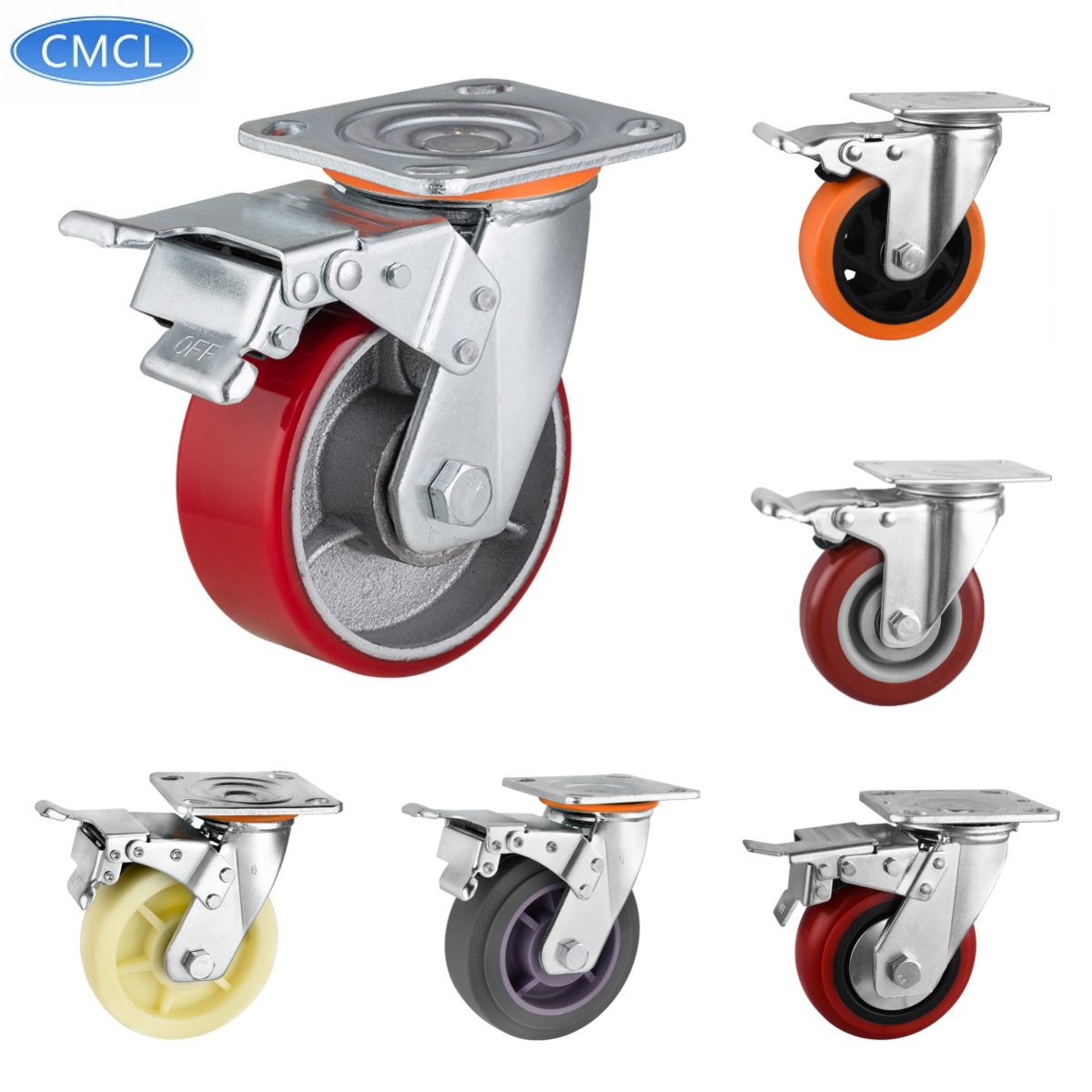
When you’re dealing with hardwood, laminate, or luxury vinyl, the last thing you want is a caster that leaves behind scratches, scuffs, or that dreaded dull haze. The key is in the wheel material and design. Look for rollers that use a soft, non-marring compound like high-grade polyurethane or a rubberized blend—these glide smoothly without gripping or grinding, even when you’re zipping between workstations.
Beyond the material, the shape of the wheel plays a bigger role than most people realize. A rounded tread profile reduces the contact patch, so there’s less friction and less chance of catching on joints or textured surfaces. Some premium options also incorporate a slight rocker geometry, letting the chair move almost effortlessly while dispersing weight more evenly. It’s a small engineering tweak that makes a noticeable difference on sensitive floors.
Of course, the floor itself deserves some attention. Even the best rollers work better when paired with a simple routine: keep the area free of grit, trim pet nails if needed, and consider a thin, transparent mat only if absolutely necessary. For most spaces, a set of well-chosen, soft-tread casters will keep the floor looking pristine for years—no sticky residues, no constant touch-ups.
Locking mechanisms that actually hold under pressure
When it comes to securing critical components, the difference between a lock that holds and one that fails often comes down to geometry. Under fluctuating pressure, axial thrust, and thermal expansion, a basic threaded connection can gradually loosen unless the locking feature actively counteracts the forces at play. Radial locking pins with spring-loaded balls, for example, maintain constant clamping force even as the housing flexes—something a simple set screw cannot match.
Material choice plays an equally subtle role. Hardened steel detents resist brinelling where surface pressure exceeds the yield point, while polymer-based wedges avoid galling in high-vibration environments. What’s rarely discussed is the creep relaxation that occurs in plastics over time—a nylon lock nut might test fine initially, but after a thousand thermal cycles, its residual torque drops by half. That’s why premium mechanisms often pair ductile metals with self-lubricating coatings rather than relying on bulk polymer deformation.
Size and load capacity: matching the wheel to the job
A wheel that’s too small for the equipment it supports will wear out fast, while an oversized one wastes space and adds unnecessary weight. The key is to look beyond the basic diameter and dig into the actual load rating stamped on the hub or sidewall. That number isn’t just a suggestion—it’s the difference between a caster that glides through a workday and one that buckles under a surprise overload.
Watching how weight moves in the real world changes everything. A cart that sits still most of the time can get away with a lighter wheel, but one that gets rolled over thresholds or rail tracks needs a safety margin built in. Even the floor surface plays a role: a soft wheel on smooth concrete might handle the stated pounds just fine, but drag that same load across cracked asphalt and the stresses spike in ways a catalog spec can’t capture.
Matching capacity isn’t a one-time check—it’s something that shifts with how the wheel gets used. Pairs of wheels share weight unevenly when cornering, and sudden drops from a loading dock can momentarily push forces far past the static rating. Building in a buffer of at least 30% over the expected load keeps things rolling without surprises, and picking a tread material that matches both the weight and the environment means less downtime and fewer replacements down the road.
Weather-resistant designs for outdoor and wet conditions
When you’re dealing with outdoor gear, moisture is the enemy. That’s why weather-resistant designs focus on more than just slapping on a waterproof coating. They begin with careful material selection—think stainless steel hardware, silicone seals, and UV-stabilized plastics that won’t degrade after a few rainy seasons. The real art is in the details: overlapping seams that channel water away, recessed ports that keep connectors dry even when splashed, and clever drainage paths that let any trapped moisture escape before it does damage.
It’s not just about surviving a storm; it’s about staying functional in damp, unpredictable conditions. Designers often look to marine and outdoor industry standards, building in IP ratings that guarantee resistance to spray and immersion. But beyond the specs, real-world testing makes the difference—soaking components in salt fog or blasting them with high-pressure jets to mimic everything from coastal humidity to a sudden downpour. That extra layer of practical engineering is what keeps your devices alive when the weather turns sour.
Easy installation tips for replacing old hardware
Before you start, clear a workspace and grab a magnetic tray for screws. Nothing slows you down like losing a tiny fastener mid-project. Snap a quick picture of the old setup with your phone so you have a reference for cable routing and bracket placement later.
When removing the old hardware, don’t force anything. Some connectors have locking tabs or screws hidden under stickers. Gently wiggle parts free and compare the new piece side by side—sometimes brackets or mounting patterns shift between revisions, so double-check before you drill new holes.
Power everything down completely and drain residual charge by holding the power button for a few seconds after unplugging. It’s a simple move that saves you from fried circuits. Once the new gear is in, boot up and test one component at a time instead of assembling the whole case—you’ll catch issues faster.
FAQ
Brake caster wheels combine mobility with stopping power, letting you move equipment freely and then lock it securely in place. They’re crucial for safety and stability in any workspace, preventing unintended rolling on uneven floors or during loading and unloading.
Focus on load capacity, wheel material, and brake type. For heavy loads, forged steel wheels with total-lock brakes are often the best bet. Also consider floor conditions—if your floor is rough or debris-prone, you might need a larger diameter and a softer tread to roll smoothly without damaging the surface.
Polyurethane offers a quiet, non-marking ride with good floor protection, while rubber excels at shock absorption. Nylon is tough and handles chemicals well but can be noisy on hard floors. Steel and iron handle extreme weights but tend to be louder and can mark floors. The right material depends on your load, surface, and environmental conditions.
Absolutely. Many suppliers offer custom options like specific tread materials, unique mounting plates, stem sizes, or even color finishes. You can also request special brake mechanisms or corrosion-resistant treatments for demanding environments like food processing or marine applications.
Regularly clean debris from wheel treads and swivel bearings, check for loose bolts, and ensure brakes engage fully. Lubricate bearings and joints as recommended, but avoid over-greasing which can attract dirt. Inspect for flat spots or tread wear and replace wheels before they compromise stability.
Weight capacity must cover your heaviest loaded equipment plus a safety margin. Overloading can cause wheel deformation or brake failure. Smooth floors allow harder treads for easier rolling, while rough or outdoor surfaces require larger, softer wheels to navigate obstacles and protect the floor from damage.
Conclusion
When sourcing wholesale brake caster wheels, the key is matching the wheel to the job without overcomplicating the decision. Heavy-duty casters built for industrial environments handle constant loads and rough floors, but they can be overkill for retail or medical spaces where smooth rolling options protect delicate flooring and reduce noise. Locking mechanisms deserve extra scrutiny—many fail under real pressure, so test them under actual working conditions. Weather-resistant designs broaden the usability to outdoor and wet areas, preventing rust and seizure, while proper size and load capacity ensure the caster doesn’t become the weak point in your equipment. Thinking about all these factors at once helps you avoid buying twice.
Installation is often the forgotten piece, but easy swap-out tips can save hours when replacing old hardware. Look for mounting plate compatibility and bolt patterns that line up, and consider accessories like thread guards to keep debris out. Whether you’re outfitting a factory cart, a hospital bed, or a outdoor market stall, the right brake caster wheel blends grip, roll, and durability seamlessly. The top picks aren’t just about specs—they solve everyday problems without forcing compromises on safety or floor condition. By keeping these aspects in focus, you can confidently pick a caster that bridges heavy-duty requirements with smooth, effortless motion.
Contact Us
Contact Person: Ruby
Email: [email protected]
Tel/WhatsApp: +86 13360379367
Website: https://www.cmcl-casters.com